
Understanding Debt Limits: How Much is Too Much?
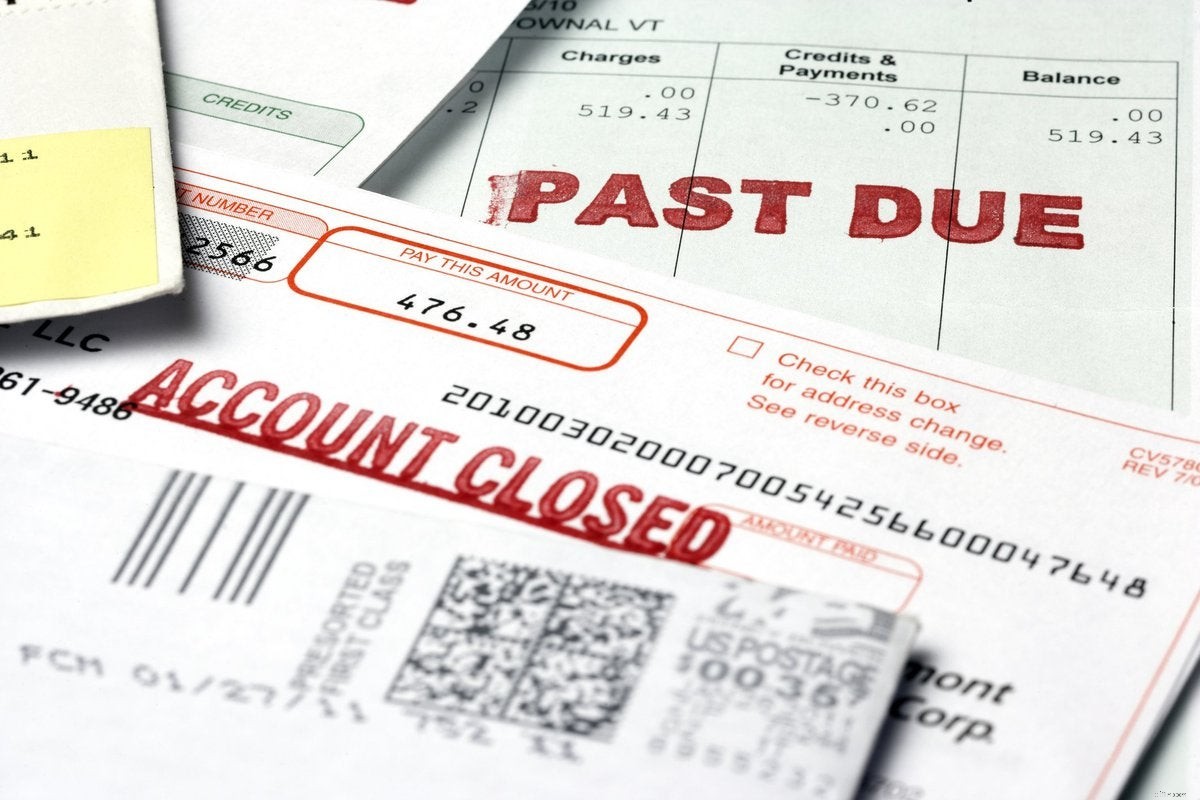
Being in too much debt can get you into trouble -- but exactly how much debt is too much?Image source: Getty Images.
Being in debt is very common. In fact, most Americans have at least some of kind of debt, whether that's personal loan debt, credit card debt, mortgage debt, or a combination of different kinds of debt.
Owing some money isn't necessarily a bad thing. After all, if you fund an education or borrow to start a business or buy a home, those activities should eventually cause your net worth to grow.
But, while it can make sense to take on some debt, you definitely don't want too much of it, as you could find yourself in a financial disaster. That brings up an important question: Just how much debt is too much?
How much debt is too much?
While it's OK to borrow some money, you've got too much debt if the money you owe is interfering with your ability to accomplish financial goals. If your debt payments are so substantial that you can't invest for retirement, save for emergencies, or do other things with your money, then you have too much debt.
If you can't pay your bills at all, this is a clear sign that you're in over your head and need to deal with your debt problem. However, it's possible to have too much debt even if you're able to make your payments if those payments take up too large a percentage of your income.
Most experts recommend keeping your consumer debt, such as credit cards, car loans, and other loan payments below 20% of your monthly take-home pay. When you add in mortgage debt, this number can go higher -- but your debt still shouldn't take up too much of your take-home pay.
Mortgage lenders typically look at your debt-to-income ratio, which is the total amount of monthly debt payments (including housing costs) relative to your gross monthly income. If this debt-to-income ratio exceeds 43%, you're considered to be too over-extended and probably won't get a mortgage.
Finally, when your credit score is calculated by the major credit reporting agencies, your credit utilization ratio is a factor. If you've used more than 30% of your available credit, your credit score will be lower because of it.
Remember though, all these ratios are maximums. Many financial advisors would argue that having any high interest debt -- like credit card debt -- is a bad idea because you're wasting money paying interest on assets that don't increase in value.
What about good debt?
While credit card debt and other debt for depreciating assets -- such as car loans -- are not great to have, there are some kinds of debt that are considered good debt.
Mortgages, for example, are considered good debt because they help you to make an investment in your future. You build equity in your home, so borrowing makes sense.
Just because mortgages can help you in the long run doesn't mean you should borrow an excessive amount of money. It makes no sense to borrow for a home you can't really afford, as doing so would put you at risk of foreclosure or leave you house-poor and sinking all your money into your home.
Typically you should keep housing costs to no more than 30% of your income. If your mortgage payments, combined with property taxes and insurance, exceed this amount, you should buy a cheaper house.
Keeping your debt low is always best
Borrowing money always costs money, and the more of your monthly income that goes to paying interest, the less you have to do other things. Whenever possible you should keep your borrowing to a minimum and keep your debt balances low. If you stick to only taking on "good debt" and you keep the amount of good debt reasonable, you'll be in a much better financial position than if you've got big credit card bills to contend with.
-

Retirement Planning: How to Achieve Financial Security by Age 60
The sooner you begin the process, the easier it will be. (iStock) Preparing for retirement can be challenging because the amount of money you need to leave the workforce depends on your ability to sav
-

Retirement Savings Calculator: How Much Do You Need?
A key part of retirement planning is to answer the question: How much do I need to retire? The answer varies by individual, and it depends largely on your income now and the lifestyle you want in re
banking
- Savings Account Limits: When Does Too Much Cash Hurt Your Finances?
- Debt Consolidation: A Comprehensive Guide to Simplifying Your Finances
- Recognizing Excessive Debt: 5 Warning Signs & What to Do
- Debt Relief Strategies: How to Manage and Reduce Credit Card Debt
- Accelerate Wealth: Strategies for Becoming a Millionaire Before 30
- Overspending? 3 Warning Signs & Practical Solutions
- Understanding Debt: Types, Impacts, and Solutions
- Debt Consolidation: Simplify Your Finances & Save Money
- Optimal Savings Rate: How Much is Enough?
-
Return on Debt (RoD): Calculation & Analysis
Return on debt is a measure of a company's performance based on the amount of debt it has issued or borrowed. Specifically, it can be computed as the amount of profit generated from each dollar of...
-
Private Mortgage Insurance (PMI): Cost, Requirements & How to Save
Private mortgage insurance is required for home buyers who do not put up at least 20 percent of the home's value as a down payment when they take out a mortgage. This insurance protects the lender...