
Budgeting: When a Detailed Plan is Essential (and When It's Not)
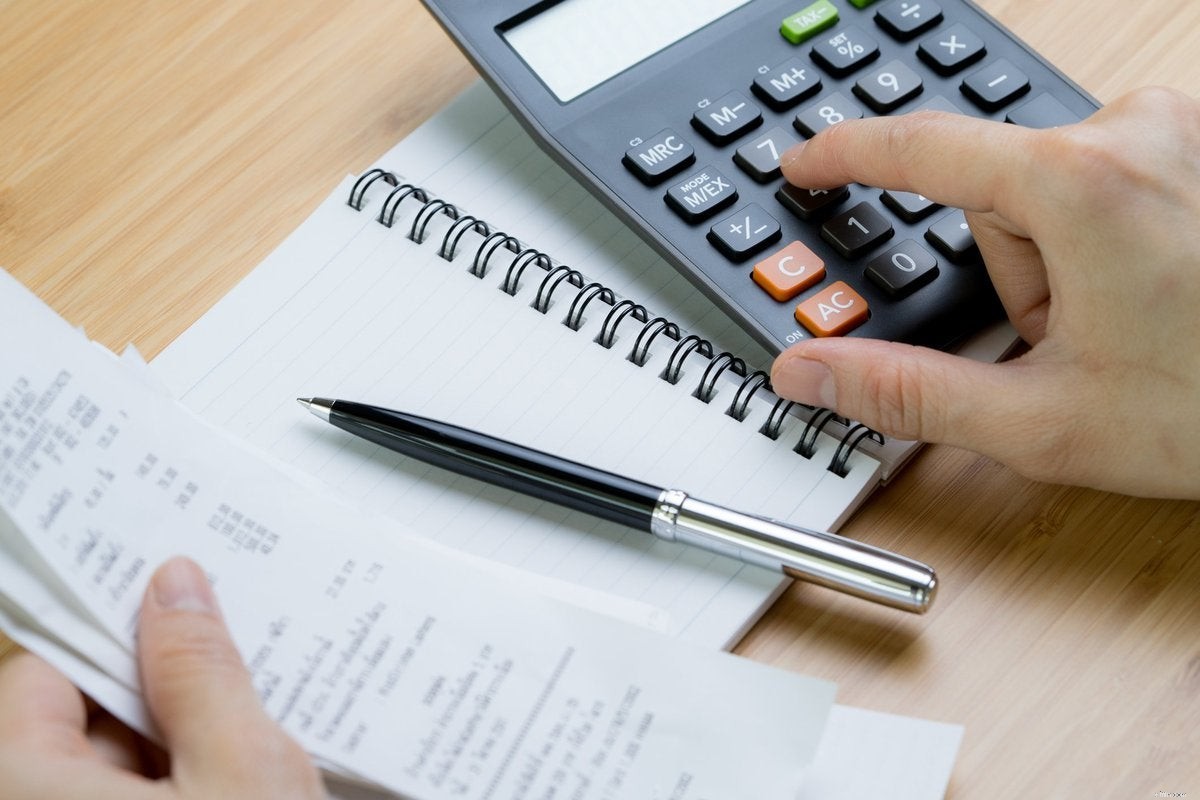 Is it important to live on a budget? Find out here when you do -- and don't -- need to make a detailed budget.
Is it important to live on a budget? Find out here when you do -- and don't -- need to make a detailed budget.
Living on a budget can make it easier for you to ensure your money goes where it needs to. But for some people, trying to live on a budget doesn't work. You may find it too constraining to stick to a detailed budget that allocates every dollar. Or find it hard to keep track of how closely you're adhering to your budget.
If budgeting doesn't work for you, or if you find the idea of living on a budget appalling and don't even want to make an attempt, there's good news: Not everyone needs a detailed budget. There are alternatives that may work better for you.
Alternatives to a detailed budget
A detailed budget is one that assigns each dollar a job. For example, you could budget $100 a month for eating out, $400 for groceries, and $200 for transportation costs. Then add other expenses, such as saving or entertainment.
If this type of budgeting doesn't work for you, you could opt for a broader budget, like a 50-30-20 budget. With a 50-30-20 budget, 50% of your income goes to needs, 30% to discretionary expenses including entertainment and dining out, and 20% goes to saving. Monitoring this budget is easier -- add up your fixed expenses and make sure they fall under 50%, then budget 20% for saving. You can spend everything that's left over.
If even this is too much budgeting for you, you can automate your essential payments and your savings and live on what's left. Transfer money to savings and retirement accounts automatically on payday. Set up autopay for all of your essential expenses. Whatever's left can be used how you want.
With this method, all of the money you need for savings and bills is transferred before you can spend it. You know everything left over in your checking account is yours to do what you want with. No budgeting required.
Will these approaches work for you?
Living without a detailed budget works if you know you can afford to fulfill all your obligations, save money, and have enough money left over to cover any other spending you need to do. If you set up automatic withdrawals for savings and bill payment and have $0 left over to cover everything else you need for the month, this approach won't work.
Likewise, a 50-30-20 budget works only if you can stick within these broad spending categories without tracking your spending or allocating cash to specific purposes.
If you can't afford all your bills, you consistently end up in credit card debt, or find you don't have any money to save because you're spending everything, you'll need to make a detailed budget and track your spending to figure out what's going wrong. And to make sure you're able to use your money wisely.
Make a spending plan that suits your needs
Ultimately, the key to money management is finding something that works for you. If allocating every dollar you spend isn't effective, one of these alternatives to a detailed budget may allow you to manage your cash better and save more. The key is to create a plan so you save enough and don't spend too much -- and as long as you can stick to whatever plan you create, you're good to go.
-

Essential Budget Categories: A Comprehensive Guide for Financial Freedom
This article may contain links from our partners. Please read how we make money for more info.If you’ve been around here for a while, you’ll know that we love a budget. Budgets help you to
-
Disability Insurance: Protecting Your Income & Financial Security
Own a car and you probably insure it because you know it’s important. It’s so important most states require it by law. A 2016 Insurance Information Institute poll found 95 percent of homeowner
banking
- Household Budget Planner: Is One Right for You?
- You Need a Budget (YNAB) Review: A Practical Guide to Financial Control
- Create a Budget: Achieve Financial Security & Peace of Mind
- Why a Separate Business Budget is Essential for Success
- Business Checking Account: Do You Really Need One?
- Is a Second Job Right for You? 4 Key Financial Signs
- Retirement Budgeting: Why Seniors Need a Financial Plan
- Budgeting Beyond Saving: Why a Budget Still Matters
- Bank Account Alternatives: Are They Right for You?
-
 Wedding Insurance: Is It Worth It? Protect Your Big Day
div.cust...
-
Home Warranty: Is It Right for You? Protect Your Investment
Buying a house requires investing a lot of time and money into a property which will also serve as your home. An investment this significant requires some protection. Homeowners insurance is a must, b...