
COVID-19 Contact Tracing: Protecting Your Personal Information
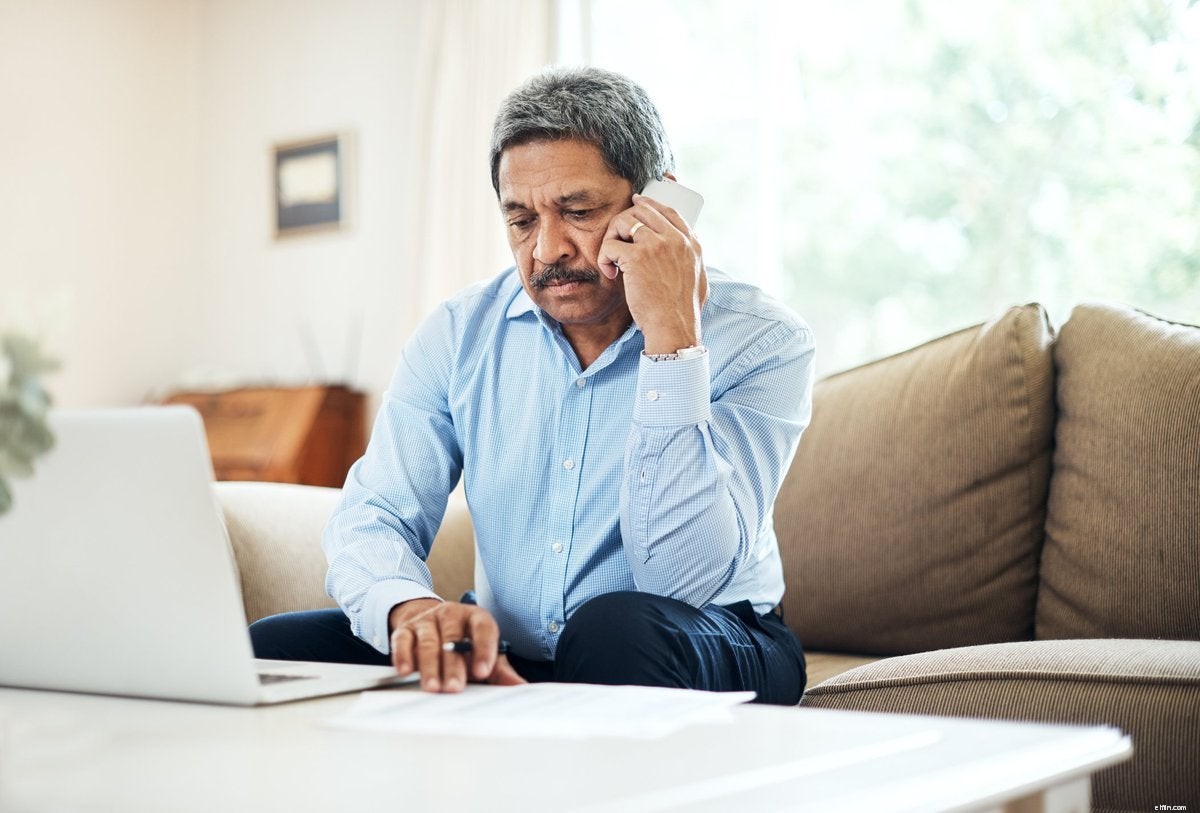
At a time like this, you can't afford to be a scam victim.
As more and more states begin to ease coronavirus lockdown restrictions, officials are taking steps to help prevent a resurgence of cases. One method they're planning to use is contact tracing -- getting in touch with people who may have been exposed to COVID-19 and warning them to get tested and self quarantine until it's safe to return to the public.
Contact tracing is a legitimate practice, and many states are hiring teams of tracers to spring into action as needed. The problem? Contact tracers are also easy to imitate. That's led to a fear that criminals may pose as contact tracers in an attempt to steal personal information.
What damage can a criminal do with your personal data? For one thing, someone can open a credit card in your name and rack up charges against it. Or, a criminal can attempt to file a tax return in your name, divert your refund to an address that isn't yours, and steal it.
There are a number of ways this type of information theft could hurt unsuspecting Americans. To avoid falling victim to a contact tracing scam, keep the following points in mind.
1. Real contact tracers won't ask you for financial information
When you get a call or text message from a contact tracer, you may be asked to verify your name and address. But a contract tracer will not ask you for the following information:
- Your bank account details
- Your credit card number
- Your Social Security number
Furthermore, a legitimate contact tracer will not ask you to send or wire money, so if you get that type of request, it's a sure sign that it's a scam. If that happens, report it to the Federal Trade Commission (FTC) at once.
2. Real contact tracers will ask about your movements and travel history
For contact tracers to do their jobs effectively, they'll need to understand exactly where those with positive COVID-19 tests were prior to getting diagnosed. Be prepared to talk about the people you saw, the shops you visited, and the public spaces you spend time in. And if you did any travel before getting diagnosed, you'll need to share those details as well.
3. Real contact tracers won't send text messages containing links
You may receive a text message from a contact tracer warning you that you've been exposed to COVID-19, but that text should not contain a link for you to click on. Therefore, if you get a text with a link, delete it. These links can contain malware which you could unknowingly download by clicking on them. Having malware on your mobile phone opens the door for it to be hacked and can allow criminals to steal sensitive information.
At a time when the entire world is facing a crisis, you'd hope criminals would be backing down. Unfortunately, we can't count on that, and with contact tracing becoming a more common practice, it opens the door to additional instances of fraud and identity theft. Knowing how to spot a scam can help you avoid becoming a victim.
-

Improve Your Personal Loan Application: Tips for Approval
If you are filing a personal loan application, there are a few things you can do to make it look good to lenders. While this wont always guarantee a loan approval, it will do its own part in hel
-

Navigating Economic Uncertainty: Strategies to Protect Your Finances
div.cust
banking
- COVID-19 Car Insurance Rebates: Are You Eligible?
- Affordable Online Personal Training: Achieve Your Fitness Goals
- COVID-19 & Your Credit: Understanding the Impact & Options
- Coffee Price Hike: How Inflation Impacts Your Daily Brew
- 2019 Tax Season Prep: Smart Financial Strategies for a Smooth Filing
- COVID-19's Lasting Impact on Your Finances: What to Expect
- 2022 Personal Finance Calendar: Achieve Your Financial Goals
- Major Credit Bureau Contact Information (2024)
- Debt Consolidation with Personal Loans: A Comprehensive Guide
-
 Amazon HQ2: How the New Headquarters Could Impact Rental Costs
Image Credit: @hellomikee/Twenty20 Sometime soon, Amazon will conclude its search for a new second headquarters and one American city will prepare for up to 50,000 new high-paying tech jobs. But ...
-
 Boost Your Small Business: 5 Key CRM Benefits
Customer relationship management (CRM) software h...