
Secured Credit Cards: How They Work & Build Credit
A credit card can make paying bills or shopping for the holidays super convenient. But getting approved for one isn’t always a lock, especially if you don’t have a good credit score or years of responsible credit use under your belt.
According to Experian, 62 million Americans have a thin credit file. Essentially, this means that they don’t have enough information on their credit report to calculate a credit score. Experian also found that only 21% of Americans have a credit score that falls in the “good” credit score range, making it difficult for those with less than “good” credit to obtain a credit card.
Fortunately, you still have a shot at getting approved for a credit card, even with poor credit. Secured credit cards can give you purchasing power, while also helping you build that your credit score.
Better banking for everyone
Fee-free overdraft up to $2001
No hidden fees2
Get paid up to 2 days early with direct deposit3
What's a Secured Credit Card?
A secured credit card is a card that requires you to offer up a cash deposit as collateral when the account is first opened. The deposit is an insurance policy for the credit card company in case you can’t make your payments or pay back the balance. default on paying back your balance.
The amount of the deposit varies, depending on the card. Typically, the deposit is equal to your credit limit on that card.So, if you open a secured credit card account with a $500 deposit, your credit limit would also be $500.
The deposit reduces the risk for the credit card company, meaning if you don’t pay your bill, the issuer can take the money from your deposit to get their funds back. This is a major reason why secured credit cards are available to people with poor or no credit.
How to Get a Secured Credit Card
Like any other credit card, the first step is to do some research and find out the best card option for your finances. Once you select a card, you fill out and submit an application. The application process for a secured credit card will require your personal information, including info for a bank account that can be tied to the card. Once you’re approved, the issuer will give you instructions for making your security deposit.
The main difference with a secured credit card application is that it will require your bank account and routing number in order to process the security deposit. Once the issuer receives and processes your security deposit, you’ll get your new credit card in the mail, and it’s ready for use!
Since secured cards do require collateral from borrowers as part of their agreement, it’s good practice to pay off your balance in full every month to avoid high interest charges or losing that deposit altogether.
How to Use a Secured Credit Card: Pros and Cons
A secured credit card serves as a valuable training ground to learn which money management tools fit your financial circumstances. A secured credit card is also a powerful tool when used the right way. Here’s how to use one most effectively:
- Use the card reasonably, making only a couple of smaller purchases every month, especially to start.
- Pay your balance in full every month before the due date. When you pay in full, you won’t be charged interest, and interest rates on secured cards are generally higher than those on unsecured cards.
- Keep an eye on your credit score over time. When it has improved, ask your issuer about potentially upgrading to an unsecured card to help boost that score even more.
Like all things in life, secured credit cards have pros and cons. Let’s look at a few:
Pros:
- You can boost your credit score.
- You can use your card to make secure purchases online.
- You don’t need a high credit score to get approved for a card.
Cons:
- You generally receive a smaller credit limit.
- You may encounter annual fees and high interest rates.
- If you default on payments, you may lose your deposit.
Building Credit With a Secured Credit Card
Secured credit cards can be a great starter option starting point when you’re trying to establish or build your credit score.
FICO credit scores, which are most often used by lenders, are based on five factors:
- Payment history (35%)
- Amounts owed (30%)
- Length of credit history (15%)
- Applications for new credit (10%)
- Types of credit used (10%)
That’s pretty straightforward. So how do you use a secured credit card to build (or rebuild) your score?
It’s all about your habits. Based on those 5 factors, the two most important things you can do with your secured credit card are:
- Pay your bill on time each month
- Keep a low balance
Paying your bills on time each month accounts for 35% of your overall credit score, so this is the best way to build up a good credit history and demonstrate to the credit card issuer and credit bureaus that you are a responsible user.
In addition to paying your bills on time, pay close attention to your credit utilization. This is the ratio of your total outstanding balance on your card to your overall credit limit. You should ideally aim to keep this ratio at 30% or less, but staying at under 10% is even better.
Follow these two easy ways to give your credit score a boost, and you might be able to qualify for a regular credit card in no time.
Pro Tip: The longer your account stays open, the longer your credit history grows. This can also help lift your credit score over time.
Secured vs. Unsecured Credit Cards
Secured and unsecured credit cards work similarly; however, the biggest difference is the security deposit. Unsecured credit cards don’t require one, which poses more risk to the issuer. Unsecured cards usually require at least average or good credit for approval because of this risk.
Secured cards and unsecured cards work the same in terms of how you use them. When you make a purchase with an unsecured card, your credit limit is reduced by that amount, and your available credit increases again when you make a payment.
It doesn’t matter if a card is secured or unsecured to the credit reporting bureaus. Your account activity can still show up on your credit reports.
Secured Credit Cards vs. Prepaid Debit Cards
If you’re wondering about prepaid debit cards, the defining difference is where the money on the card comes from. With secured credit cards, you’re spending money that you borrow from the credit card company, which you pay back at some point after the purchase. With prepaid debit cards, you’re spending your own money, as you load money onto the card before making a purchase.
Because it involves borrowing and repaying money, a secured credit card can help you build your credit, but it can also harm your credit when not used responsibly. Prepaid debit cards, on the other hand, have no effect on your credit score.
Start Building Credit With Chime
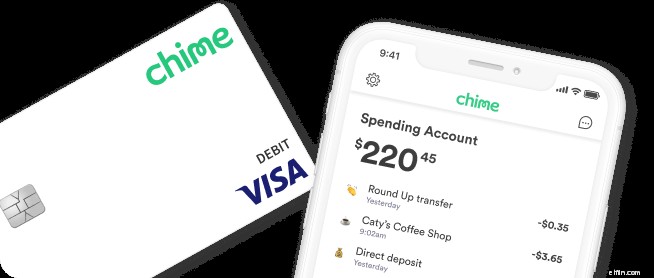
Chime’s Credit Builder Secured Visa Credit Card* is a secured credit card with no annual fee or interest that allows you to build your credit. Chime reports payments to major credit bureaus, so everyday purchases like gas, groceries, bills, and subscriptions can all count toward your credit score. Chime’s Credit Builder card doesn’t check your credit at application and has no minimum security deposit, so applying is easy.
FAQs
How do you get your security deposit back?
After you make your security deposit, the credit card company holds onto it, and there are two ways you can get it back.
The first way to get your deposit back is to graduate to an unsecured credit card. Your credit card company may review your secured card account periodically. If you’ve established a record of using your card responsibly, it may switch you to an unsecured card. In that case, your deposit is refunded.
The other way to get it back is to close your account. But, you’d have to pay off your balance first. Otherwise, the credit card company could keep part or all of your deposit as payment.
Can you get denied for a secured credit card?
As with any credit card, getting approved for a secured card isn’t guaranteed. Each credit card company has its own policies and secured credit card requirements. Aside from a security deposit, there may be additional approval requirements.
What is a good APR for a secured credit card?
Every secured credit card is different when it comes to the fees and APRs they charge. Here’s a good rule of thumb to remember: lower credit scores usually equate to higher interest rates. If you’re starting from scratch with credit, you may be looking at a higher APR.
Remember, secured cards can come with more than one APR, and you may have different ones for:
- Purchases
- Balance transfers
- Cash advances
The fees you pay can also vary. Some secured cards charge an annual fee; while others don’t. Some may also charge a monthly service fee, or a fee for increasing your deposit.
The takeaway? Read the fine print on secured card fees, rates and terms so you know exactly what you’re paying.
How much will a secured credit card raise my score?
It’s hard to say exactly how much a secured credit card will raise your credit score, or how fast your score will improve. Assuming you pay your bills on time and maintain a low credit utilization rate, you can expect to see improvements in your credit score after about 6-12 months. And if you start with a bad credit score, you can expect to qualify for an unsecured credit card for fair credit within 12-18 months.
Final Thoughts
If you’re ready to improve your credit score, a secured credit card can help you do this. These cards can also potentially help you earn rewards as you spend. Some also offer cash back, points, or travel miles, but remember, they’re not all the same.
Make sure you read all of the fine print and know what the benefits are for each card you apply for. Take the time to compare different options carefully to make sure you’re choosing the secured credit card that best fits your needs and spending style.
-

Understanding Pre-Approved Credit Card Offers: What You Need to Know
Pre-approved credit card offers are one way that credit card companies attract new customers. These offers are typically sent by mail to potential cardholders who meet s
-

Understanding Credit Repair: How to Improve Your FICO Score
Has your application for a loan or credit card been rejected? Look at your FICO score to understand why. It is one of the most important indicators of financial health. It should reflect your reliab
banking
- Secured Credit Cards: Build Credit & Improve Your Score
- High-Limit Credit Cards: Benefits, Requirements & How They Work
- Understanding Credit Card Holds: What They Are & Why You Get Them
- Understanding Credit Card Blocks: What You Need to Know
- Credit Card Balance Transfers: A Comprehensive Guide
- Understanding EBT Cards: A Guide to SNAP Benefits
- Understanding Credit Cards: A Comprehensive Guide
- Understanding Credit Card Interest: A Comprehensive Guide
- Understanding Credit Cards: A Beginner's Guide to Responsible Use
-
![Green Dot Card: How It Works & Benefits | [Company Name]](https://www.etffin.com/article/uploadfiles/202109/2021092517593303_S.jpg) Green Dot Card: How It Works & Benefits | [Company Name]
Green Dot Card: How It Works & Benefits | [Company Name]A green dot card works like other prepaid cards. Green Dot is a financial technology and registered bank holding company that caters to individuals who can't or don't want to purchase...
-
 Understanding 0% APR: Benefits, How It Works & Potential Pitfalls
Millennial Money has partnered with CardRatings and creditcards.com for our coverage of credit card products. Millennial Money, CardRatings and creditcards.com may receive a commission from card issue...