
Top Credit Cards for Building Credit (No Credit History)
One of the most frustrating adventures for young people, particularly when coming out of school, is getting that first credit card. With no credit history, the deck is clearly stacked against you. But that doesn’t mean you’re without options. You can get a student credit card, or a secured credit card, even with no credit history.
And if those cards aren’t available for whatever reason, there are some strategies you can use to build sufficient credit and get your first credit card.
Overview of the best credit cards for beginners
| Credit card | Best for |
|---|---|
| Capital One Platinum | Those with fair credit |
| Capital One QuicksilverOne Cash Rewards Credit Card | Simple cash back |
| Journey Student Rewards from Capital One | Students with limited credit |
| Chase Freedom® Student credit card | Students looking to earn rewards |
| OpenSky® Secured Visa® Credit Card | Those with no credit history |
| Capital One Platinum Secured Credit Card | Those looking for an easy-to-use card |
Unsecured cards
Unsecured cards don’t have the same limitations that student and secured cards do. They don’t have deposit requirements and they’re not only for students. In other words, it’s just a normal credit card, but the perks won’t be as substantial as premium cards that require good to excellent credit.
But, there are some unsecured beginner credit cards that do offer low-tier rewards. That way you can start building credit fairly quickly, all the while pocketing some extra cash.
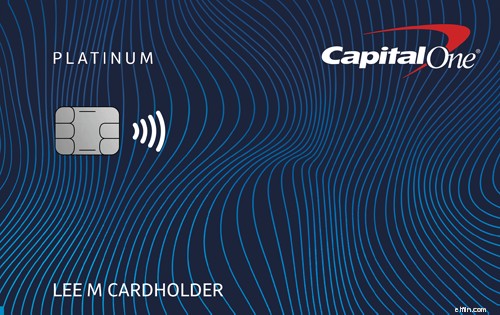
Capital One Platinum Credit Card
In A Nutshell
Finding an unsecured credit card with average credit can be difficult, but the Capital One Platinum Credit Card is happy to have your business. You won’t find many perks to owning this credit card, but it’s a great first card for young people looking to build a strong credit history and there’s no annual fee.
Read review Apply Now On the Secure WebsiteIn A Nutshell
Finding an unsecured credit card with average credit can be difficult, but the Capital One Platinum Credit Card is happy to have your business. You won’t find many perks to owning this credit card, but it’s a great first card for young people looking to build a strong credit history and there’s no annual fee.
Read review Credit Score Requirements: Credit Score requirements are based on Money Under 30’s own research of approval rates; meeting the minimum score will give you the best chance to be approved for the credit card of your choice. If you don’t know your credit score, use our free credit score estimator tool to get a better idea of which cards you’ll qualify for. *Money Under 30 uses a FICO 8 score, which is one of many different types of credit scores. *A creditor may use a different score when deciding whether to approve you for credit. ?- Fair
What We Like:
-
Only average / fair / limited credit is required for approval
-
Be automatically considered for a higher credit line in as little as 6 months
-
No annual fee or foreign transaction fees
Apply Now >>
You can apply for the Capital One Platinum Credit Card with a fair credit score, so it’s an easier first card to qualify for. It has no annual fee, and a 26.99% (Variable) APR.
If you’re a traveler with less than stellar credit, this card may be a perfect fit for you since it has no foreign transaction fees. And while this card doesn’t come with any perks, Capital One will automatically review your credit line after six months.
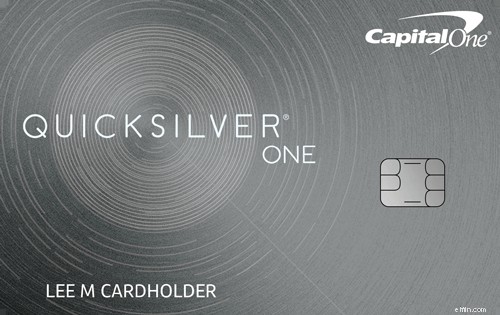
Capital One QuicksilverOne Cash Rewards Credit Card
In A Nutshell
If you don’t have the excellent credit needed to score some of the bonuses other Capital One credit cards offer, consider the Capital One QuicksilverOne Cash Rewards Credit Card. It’s a terrific card for average credit and you can still earn 1.5% cash back on all purchases with a modest $39 annual fee.
Read review Apply Now On the Secure WebsiteIn A Nutshell
If you don’t have the excellent credit needed to score some of the bonuses other Capital One credit cards offer, consider the Capital One QuicksilverOne Cash Rewards Credit Card. It’s a terrific card for average credit and you can still earn 1.5% cash back on all purchases with a modest $39 annual fee.
Read review Credit Score Requirements: Credit Score requirements are based on Money Under 30’s own research of approval rates; meeting the minimum score will give you the best chance to be approved for the credit card of your choice. If you don’t know your credit score, use our free credit score estimator tool to get a better idea of which cards you’ll qualify for. *Money Under 30 uses a FICO 8 score, which is one of many different types of credit scores. *A creditor may use a different score when deciding whether to approve you for credit. ?- Fair
What We Like:
-
1.5% cash back on all purchases.
-
Be automatically considered for a higher credit line in as little as six months.
-
No foreign transaction fees and a modest $39 annual fee.
Apply Now >>
The Capital One QuicksilverOne Cash Rewards Credit Card offers an unlimited 1.5% cash back on all of your purchases. It’s a simple rewards structure, but it’s still a good one, especially for a starter credit card.
This card does have an annual fee, but it’s only $39. As long as you earn enough rewards to outdo the annual fee, you’ll still be able to get great value from this card. Like the Capital One Platinum, you’ll have no foreign transaction fee.
Student credit cards
There are credit cards available specifically for students. They have lower credit limits, but relaxed credit guidelines. They recognize a student’s limited financial experience and capacity. Banks will offer these cards as a way of getting the jumpstart on the student’s business after graduation.
Some popular student credit cards include:
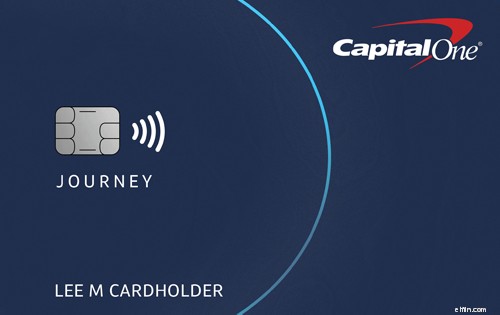
Journey Student Rewards from Capital One
 Apply Now
On the Secure Website
Apply Now
On the Secure Website
In A Nutshell
The Journey Student Rewards from Capital One is a great student rewards credit card focused on making on-time payments. One benefit of paying on time is a boost from 1% cash back to 1.25% cash back another is that Capital One will automatically review your credit limit in as little as six months.
Read review Credit Score Requirements: Credit Score requirements are based on Money Under 30’s own research of approval rates; meeting the minimum score will give you the best chance to be approved for the credit card of your choice. If you don’t know your credit score, use our free credit score estimator tool to get a better idea of which cards you’ll qualify for. *Money Under 30 uses a FICO 8 score, which is one of many different types of credit scores. *A creditor may use a different score when deciding whether to approve you for credit. Poor 500-599 Fair 600-699 Good 700-749 Excellent 750-850What We Like:
-
1% cash back on all purchases and pay on time to get a boost to 1.25% cash back
-
Be automatically considered for a higher credit line in as little as 6 months
-
No annual fee and no foreign transaction fees
Apply Now >>
The Journey Student Rewards from Capital One comes with an APR of 26.99% (Variable), but $0 annual fee. You can also earn one percent cash back on all your purchases. If you pay on time for the month, you’ll get 1.25% cash back.
Expect to start with a low credit limit, but your line can be increased after making your first six monthly payments on time. The card gives you regular access to your credit report, as well as $0 fraud liability if your card is ever lost or stolen. It also provides collision damage waiver coverage when you rent a car.
Chase Freedom® Student credit card
 Apply Now
On the Secure Website
Apply Now
On the Secure Website
In A Nutshell
The Chase Freedom® Student credit card can help students begin to build a strong credit profile while earning a $50 Bonus for signing up and making one purchase during the first three months. There’s no annual fee to own.
Read review Credit Score Requirements: Credit Score requirements are based on Money Under 30’s own research of approval rates; meeting the minimum score will give you the best chance to be approved for the credit card of your choice. If you don’t know your credit score, use our free credit score estimator tool to get a better idea of which cards you’ll qualify for. *Money Under 30 uses a FICO 8 score, which is one of many different types of credit scores. *A creditor may use a different score when deciding whether to approve you for credit. Poor 500-599 Fair 600-699 Good 700-749 Excellent 750-850What We Like:
-
$50 Bonus after making your first purchase within three months from account opening
-
Keep your account in good standing and receive a $20 award each account anniversary for up to five years
-
No annual fee
- $50 Bonus after first purchase made within the first 3 months from account opening
- Earn 1% cash back on all purchases
- No annual fee
- $20 Good Standing Rewards after each account anniversary for up to 5 years
- Earn a credit limit increase after making 5 monthly payments on time within 10 months from account opening when meeting credit criteria
- No minimum to redeem for cash back. Cash Back rewards do not expire as long as your account is open.
- Free credit score with Chase Credit Journey
Apply Now >>
With no annual fee and a $50 bonus on your first purchase, the Chase Freedom® Student credit card is a great card for those new to credit. To get your $50 bonus, you’ll just need to buy something using your card within your first three months as a cardholder.
But where the Chase Freedom® Student credit card stands out is in its cash back. You’ll earn 1% cash back on every dollar you spend, regardless of category. Just pay the minimum balance each month and enjoy your rewards.
Your APR will be 17.24% Variable, but there’s no annual fee. You can also check your credit score through Chase to monitor your progress in building your score.
Secured credit cards
You can get a credit card secured by a savings account. The credit line usually matches the amount in your savings account. You’re charged interest on your purchases, and you must make monthly payments. But your payment history will be reported to the credit bureaus, enabling you to build your credit. In the meantime, you’ll have access to a fully usable credit card.
Our favorite secured credit cards include:
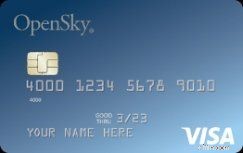
OpenSky® Secured Visa® Credit Card
 Apply Now
On the Secure Website
Apply Now
On the Secure Website
In A Nutshell
The OpenSky® Secured Visa® Credit Card is a secured credit card that doesn’t require a credit check to apply. Whether you have poor credit or no credit at all, OpenSky is an opportunity to improve your credit history.
Read review Credit Score Requirements: Credit Score requirements are based on Money Under 30’s own research of approval rates; meeting the minimum score will give you the best chance to be approved for the credit card of your choice. If you don’t know your credit score, use our free credit score estimator tool to get a better idea of which cards you’ll qualify for. *Money Under 30 uses a FICO 8 score, which is one of many different types of credit scores. *A creditor may use a different score when deciding whether to approve you for credit. Poor 500-599 Fair 600-699 Good 700-749 Excellent 750-850What We Like:
-
No credit check needed to get approved for this card.
-
Choose your own security deposit between $200 – $3,000 and that becomes your credit line.
-
Your on-time payments will be reported to all three credit bureaus, so you can start building credit responsibly.
-
The annual fee is just $35, and OpenSky® does not charge any application, servicing, or processing fees.
- No credit check to apply and find out instantly if you are approved
- OpenSky gives everyone an opportunity to improve their credit with an 85% average approval rate for the past 5 years
- Get considered for a credit line increase after 6 months, with no additional deposit required
- You could be eligible for the OpenSky Gold Unsecured Card after as few as 6 months
- Reports to all 3 major credit bureaus monthly, unlike a prepaid or debit card
- View your FICO® Score through your OpenSky account, an easy way to stay on top of your credit
- Nearly half of OpenSky cardholders who make on-time payments improve their FICO score 30+ points in the first 3 months
- Your refundable* deposit, as low as $200, becomes your OpenSky Visa credit limit
- Easy application, apply in less than 5 minutes right from your mobile device
- Offer flexible payment due dates which allow you to choose any available due date that fits your payment schedule
- *View the cardholder agreement
Apply Now >>
The OpenSky® Secured Visa® Credit Card is a way for people just starting their credit journey to begin building a credit history. OpenSky reports to all three major credit bureaus (Experian, TransUnion, and Equifax), so your credit card activity will begin to pay off quickly. And for an added bonus: when you apply for the OpenSky® Secured Visa® Credit Card, they won’t pull your credit score at all and you can instantly see if you’re approved!
OpenSky also lets you choose your own credit line. Pick an amount between $200 and $3,000 to be your security deposit; that amount will also be your credit limit. Plus, when you’re ready to close the account, you can get the entire amount refunded to you. Or, if you want to keep the card, you’ll have the chance to increase your limit after six months.
To help you learn to use credit responsibly, OpenSky operates a Facebook community where you can find community, education, and support.
Capital One Platinum Secured Credit Card
In A Nutshell
If you are worried that you will not get approved for a conventional credit card or have been rejected in the past, the Capital One Platinum Secured is an excellent option. It’s rare to find one that doesn’t charge an annual fee and Capital One will automatically review your credit limit in as little as six months.
Read review Apply Now On the Secure WebsiteIn A Nutshell
If you are worried that you will not get approved for a conventional credit card or have been rejected in the past, the Capital One Platinum Secured is an excellent option. It’s rare to find one that doesn’t charge an annual fee and Capital One will automatically review your credit limit in as little as six months.
Read review Credit Score Requirements: Credit Score requirements are based on Money Under 30’s own research of approval rates; meeting the minimum score will give you the best chance to be approved for the credit card of your choice. If you don’t know your credit score, use our free credit score estimator tool to get a better idea of which cards you’ll qualify for. *Money Under 30 uses a FICO 8 score, which is one of many different types of credit scores. *A creditor may use a different score when deciding whether to approve you for credit. ?- Poor
What We Like:
-
Put down a refundable security deposit starting at $49 to get a $200 initial credit line.
-
Be automatically considered for a higher credit line in as little as six months with no additional deposit needed.
-
No annual fee and no foreign transaction fees.
Apply Now >>
The Capital One Platinum Secured Credit Card comes with $0 annual fee, and a 26.99% (Variable) APR purchase rate. You’ll be required to make a security deposit of $49, $99 or $200, which may be refundable.
You’ll get an initial credit line of $200, which will be increased any time you deposit more money. You can automatically be considered for a higher credit line in as little as six months.
When looking for a secured credit card, don’t overlook local banks and credit unions.
For example, DCU Visa Platinum Secured Credit Card is offered with a reasonable APR and no annual fee. DCU also doesn’t charge fees or higher rates for cash advances and balance transfers. You’ll have the benefit of free auto rental collision damage waiver. The card works with Apple Pay, Android Pay and Samsung Pay.
Summary of the best first credit cards for beginners
| Credit card | APR | Rewards | Annual fee |
|---|---|---|---|
| Capital One Platinum Credit Card | 26.99% (Variable) | None | $0 |
| Capital One QuicksilverOne Cash Rewards Credit Card | 26.99% (Variable) | Unlimited 1.5% cash back | $39 |
| Journey Student Rewards from Capital One | 26.99% (Variable) | 1% cash back, 1.25% when you pay your bill on time | $0 |
| Chase Freedom® Student credit card | 17.24% Variable | 1% cash back on all purchases | $0 |
| OpenSky® Secured Visa® Credit Card | 18.89% (Variable) | None | $35 |
| Capital One Platinum Secured Credit Card | 26.99% (Variable) | None | $0 |
Other strategies to build credit so you can get your first credit card
If you’re not a college student, or you don’t have savings available to make a collateral deposit to get a secured credit card, there are other ways you may be able to build your credit to the point where you will be eligible for your first credit card.
Co-signed loans
This usually involves a car loan or some other type of installment loan. If you don’t have a credit history, you can often get a loan approved if it is co-signed by someone with a high credit score. You’ll make the monthly payments, and the pay history will be reported to the credit bureaus. It might take a year or more of on-time payments before you have a credit score sufficient to get a credit card.
Become an authorized user on someone else’s credit card
This will usually be a parent. You’ll have to be added as a fully authorized user, which means they’ll ask for your Social Security number. As long as the monthly payments are made on time by you or the primary user, it will help to build your credit rating.
Credit Builder loans
These work like secured credit cards, but you don’t have to have money in a savings account or for a security deposit.
This is how it works: You take out a credit builder loan for $1,000. The money is immediately deposited into a savings account in your name, but acts as collateral for the loan. Monthly payments are deducted from the savings account. As the months passed, and payments are made, you begin to build a credit history and credit score, even though you never actually make a direct payment.
Summary
Having a credit card can help you build a credit history. But you do need some sort of history to even qualify for most cards. Here are the steps you can take to start building credits. Plus, some cards that don’t require a credit history.
Read more
- When To Upgrade From Your Starter Credit Card (And How To Do So)
- How To Build Credit The Right Way
banking
- Top Credit Cards for Young Adults: 2024 Reviews & Recommendations
- Top Credit Cards for Retirement: Benefits & Rewards
- Top Credit Cards for Home Improvement: Rewards & Offers
- Top Credit Cards for Military Personnel: Exclusive Benefits & Rewards
- Best Credit Cards for Beginners: Build Credit & Achieve Financial Goals
- Top Credit Cards for Online Shopping Rewards in 2024
- Top Credit Cards for Young Adults & Beginners - 2024
- Low-Interest Credit Cards: Save on Interest & Debt - [Year]
- Unsecured Credit Cards for Bad Credit: Top Options & Guide | Money Under 30
-
 Credit Cards: Types, Benefits & Finding the Best Card for You
Millennial Money has partnered with CardRatings and creditcards.com for our coverage of credit card products. Millennial Money, CardRatings and creditcards.com may receive a commission from card issue...
-
 Top Credit Cards for Debt Consolidation: Save Money & Simplify Payments
div.cus...