
Top 11 High-Yield Savings Accounts for 2026 - Earn More on Your Savings
Saving money is a smart move, but letting your savings grow is even better. High-yield savings accounts offer a simple way to boost your balance without taking on any risk. If you’re planning for a major purchase or just building a financial safety net, these accounts can help you reach your goals by earning more on the cash you’ve set aside.
11 Best High-Yield Savings Accounts
With so many high-yield savings accounts available, choosing the right one can make a big difference in how quickly your savings grow. From competitive interest rates to flexible features, each account has something unique to offer. Check out these top picks to find the best fit for your financial needs.
1. Raisin
APY: Varies by partner bank, often over 4.00%
Minimum Deposit: None
Fees: No account fees
Standout Features:
- Centralized platform for managing multiple high-yield accounts
- Access to top rates from partner banks and credit unions
- Single login and streamlined account management
Raisin isn’t a bank—it’s a marketplace that lets you open and manage high-yield savings accounts and CDs from multiple institutions in one place.
It’s ideal for savers who want to chase top rates without juggling multiple logins or applications.
2. SoFi
APY: Up to 3.30%
Minimum Deposit: None
Fees: No account fees
Standout Features:
- Up to $400 sign-up bonus with direct deposit
- 2-day-early paycheck access
- Up to $3 million in FDIC insurance via partner network
- No-fee overdraft coverage
SoFi offers more than just a high-yield savings account—it combines solid interest rates with modern features like early direct deposit, overdraft protection, and a generous bonus for new customers.
3. Bread Savings
APY: 4.00%
Minimum Deposit: $100
Fees: No monthly fees
Standout Features:
- Interest earned on balances up to $10 million
- Free ACH and incoming wire transfers
- Easy mobile deposits via app
Bread Savings (formerly Comenity Direct) offers a competitive APY and straightforward account setup with no hidden costs. It’s a great option for savers who want strong returns and flexible deposit options.
4. PNC Bank
APY: 3.25%
Minimum Deposit: None
Fees: No monthly maintenance fees
Standout Features:
- Easy transfers and automatic savings setup
- Full-featured mobile app
- In-person access at physical branches
PNC’s high-yield savings account combines online convenience with the option for branch access, making it a strong pick for those who want digital tools and real-world support.
5. Synchrony Bank
APY: 3.50%
Minimum Deposit: None
Fees: No monthly fees
Standout Features:
- Nationwide ATM access
- No minimum balance to earn top APY
- Simple online transfers between banks
Synchrony offers a strong rate with total flexibility—no balance requirements, no fees, and easy access to your funds via ATM or online transfers.
6. Capital One
APY: 3.20%
Minimum Deposit: None
Fees: No account fees
Standout Features:
- User-friendly mobile and online experience
- No minimum balance to earn APY
- Easy account linking and transfers
Capital One’s 360 Performance Savings keeps things simple—solid rates, no fees, and a smooth digital experience from a well-known name in banking.
7. American Express National Bank
APY: 3.30%
Minimum Deposit: None
Fees: No monthly fees
Standout Features:
- Seamless linking with other Amex accounts
- No balance requirement to earn APY
- Trusted national brand with secure banking
American Express offers a strong rate and easy account access with no strings attached. It’s a straightforward savings option from a trusted name in finance.
8. Ally
APY: 3.20%
Minimum Deposit: None
Fees: No monthly maintenance fees
Standout Features:
- eCheck Deposit from your phone
- No overdraft fees
- Free incoming wires and transfers
Ally stands out for its ease of use and mobile-friendly tools. It’s a solid option for hands-off savers who want consistent returns and low fees.
9. Barclays
APY: 3.50%
Minimum Deposit: None
Fees: No monthly fees
Standout Features:
- 24/7 online access
- Direct deposit and ACH transfers supported
- Savings tools to track goals
Barclays offers a dependable online savings account with a competitive APY, no fees, and helpful tools to stay on top of your savings progress.
10. Marcus: By Goldman Sachs
APY: 3.65%
Minimum Deposit: None
Fees: No monthly fees
Standout Features:
- Easy funding via ACH, check, or direct deposit
- No transaction fees
- Backed by a major financial institution
Marcus offers a high APY with flexible funding options and no account fees. It’s a strong pick for savers who want a no-frills account from a well-established brand.
11. Salem Five Direct
APY: 3.51% (on balances up to $1,000,000)
Minimum Deposit: $100
Fees: No monthly fees (with eStatements)
Standout Features:
- High APY on balances up to $1M
- Paper statement fee unless you opt for eStatements
- Fees may apply to some external transfers
Salem Five Direct offers excellent rates for larger balances, but you’ll need to watch for avoidable fees. Ideal for digital-first savers who can manage their account entirely online.
What is a high-yield savings account?
High-yield savings accounts, as the name suggests, are savings accounts that offer a higher interest rate than standard savings accounts. They are offered by banks and credit unions. Like traditional savings accounts, they are also insured.
The Federal Deposit Insurance Corporation (FDIC) or the National Credit Union Administration (NCUA) provide this insurance. This coverage goes up to the legal limit, ensuring your money is safe.
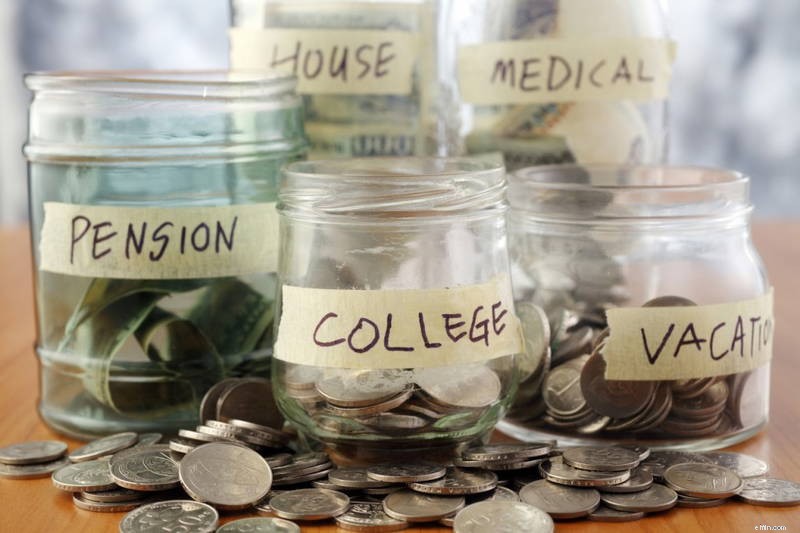
How High-Yield Savings Accounts Earn You More
High-yield savings accounts work just like regular savings accounts—you deposit money, and the bank pays you interest. The difference is in the rate.
While a traditional savings account might earn around 0.40% APY, high-yield options often offer rates 20 times higher or more. That means your money grows faster without any added risk.
Most accounts compound interest daily or monthly and pay it out each month. As your interest earnings are added to your balance, you start earning interest on a larger total—boosting your savings even more over time.
Pros & Cons of High-Yield Savings Accounts
High-yield savings accounts offer solid returns with little risk—but they’re not perfect. Here’s what to weigh before opening one.
Pros
- Increased earnings: With their higher interest rates compared to traditional savings accounts, high-yield savings accounts help your money grow faster.
- Safety: Deposits in high-yield savings accounts at FDIC or NCUA member institutions are insured up to the legal limit, reducing the risk of loss.
- Accessibility: Unlike many investment options, you are permitted up to six withdrawals or deposits per month, providing a degree of liquidity.
- Ease of use: Many online savings accounts, particularly those offered by online banks, offer user-friendly digital platforms and mobile access, simplifying account management.
Cons
- Variable interest rates: The interest rates are variable and can fluctuate over time, potentially reducing the rate of return.
- Minimum balance requirements: Some high-yield savings accounts require a minimum balance to earn the stated interest rate or avoid monthly fees, which could be a drawback for some customers.
- Limited transactions: Federal regulations typically limit certain types of withdrawals and transfers to six per month. Exceeding this limit could result in fees or other penalties.
- Potential for fees: Some high-yield savings accounts come with fees, such as maintenance fees or withdrawal fees, which could offset the benefits of the higher interest rate.
- Less access than checking accounts: While a high-yield savings account provides more access than some investment vehicles, they offer less frequent access to funds than checking accounts.
How to Choose a High-Yield Savings Account
Here’s what to consider when choosing the best high-yield savings account for your needs:
- Annual percentage yield: The most important factor in choosing a high-yield savings account is the annual percentage yield (APY). There are many savings accounts available with varying annual percentage yields. Make sure to compare rates and find the one that offers the highest rate for your particular needs.
- Fees: Some savings accounts may have monthly maintenance fees associated with them. So, make sure to check for any potential account fees or other charges.
- Accessibility: If you need to access your money quickly, you should look for a savings account with easy and convenient access. Consider whether you need to be able to access the funds online or if you need a physical bank location.
- Minimum deposit and balance requirements: Some savings accounts require a minimum deposit to open or a minimum balance to avoid fees or earn the highest APY. Make sure you can meet these requirements without stretching your finances.
- Digital access and mobile features: If you value being able to access and manage your account on the go, consider the digital features offered by the account. These may include mobile deposits, online transfers, digital customer service, and more.
- Customer service: A quality customer service experience is important when considering any type of financial product. Look for a bank or credit union with good customer service ratings and reviews.
By considering these factors, you’ll be able to find the best high-yield savings account for your individual needs. Make sure to do your research and shop around for the best deal.
See also: Best 5% Interest Savings Accounts
How to Get the Most From Your High-Yield Savings Account
A high-yield savings account does more than store your cash—it helps it grow faster with higher interest rates. But to truly maximize the benefits, you need to manage it the right way. Here are a few smart strategies to make the most of it.
Set Up Automatic Transfers
Automate your savings by scheduling transfers from your checking account. Whether it’s a percentage of each paycheck or a fixed monthly amount, automation builds consistency—and consistency builds results. It’s one of the easiest ways to grow your balance without thinking about it.
Watch Out for Fees
Many high-yield savings accounts are only “fee-free” if you meet certain conditions. These might include keeping a minimum balance, limiting withdrawals, or signing up for eStatements. Read the fine print, stay above any balance thresholds, and use online tools instead of in-person services to steer clear of avoidable charges.
Know the Withdrawal Limits
Most accounts limit certain types of withdrawals or transfers to six per statement cycle. Go over that, and you could get hit with a fee—or even have your account converted to a checking account. Note: in-person withdrawals and loan payments at the same bank usually don’t count toward the limit.
Best Alternatives to High-Yield Savings Accounts
While high-yield savings accounts are a popular choice for many, there are several other financial products available that may better suit your specific needs. Here are some alternatives to consider:
1. Certificates of Deposit (CDs)
CDs are time deposit accounts offered by banks and credit unions. They often offer higher interest rates than savings accounts, but in exchange, you agree to leave your money deposited for a specific term, ranging from a few months to several years. If you withdraw your money before the term ends, you will usually face a penalty. CDs are best for funds you know you won’t need for a set period.
2. Money Market Accounts
A money market account is a type of savings account that often offers higher interest rates in exchange for higher minimum deposit and balance requirements. They sometimes come with check-writing privileges and a debit card, making them a bit more flexible than high-yield savings accounts. However, they also are subject to the six withdrawals per month limit.
3. Checking Accounts
While checking accounts don’t typically offer interest rates as high as high-yield savings accounts, they are designed for frequent transactions, making them ideal for everyday spending. Some checking accounts do offer interest, though rates are typically lower than what you’d get with a savings account.
4. Investment Accounts
Investment accounts, such as brokerage accounts, mutual funds, or retirement accounts, can potentially offer higher returns than high-yield savings accounts, particularly over the long term. However, they also come with a higher risk, and your capital can decrease as well as increase. These accounts are best for long-term goals and should be used in conjunction with, rather than instead of, secure savings methods.
5. Treasury Bonds and Bills
Treasury bonds, bills, and notes are low-risk investments backed by the U.S. government. While they may not offer as high a return as a high-yield savings account, they are virtually risk-free. They can be a viable option for conservative investors looking for a safe place to store money.
Frequently Asked Questions
How often is interest paid out?
Most banks pay interest monthly, though compounding may occur daily or monthly. More frequent compounding means faster growth.
How often do high-yield savings rates change?
Rates can change at any time, often in response to shifts in the Federal Reserve’s benchmark rate or market conditions.
Can I open a high-yield savings account if I already have a regular one?
Yes. Many people use regular savings for short-term needs and high-yield accounts for long-term goals.
Is my money safe in a high-yield savings account?
Yes, as long as the account is with an FDIC- or NCUA-insured institution. Coverage typically protects up to $250,000 per depositor, per bank.
Is the interest taxable?
Yes. Interest earned is considered taxable income. If you earn more than $10 in interest, you’ll typically receive a 1099-INT at tax time.

Meet the author
Crediful is dedicated to making personal finance simple. Our team of experts provides clear, practical advice on budgeting, credit, saving, investing, and more to help you make smart financial decisions.
-
Understanding Canadian Tax Refunds: What You Need to Know
Would you celebrate if you paid too much for a pair of jeans, found the error and convinced the store manager to give you a refund? Or would you be upset that they put the wrong sticker on the item an
-

Understanding Preferred Stock: Benefits and Investment Strategies
Corporations issue common and preferred stock. A corporation can issue two types of stock: common and preferred. Common stock is partial ownership in a company and these are the shares usuall
banking
- Common Money Saving Mistakes: 4 Reasons Your Savings Aren't Growing
- APR vs. APY: Understanding the Key Differences
- Twitter Ban in Nigeria: Risks to Tech Investment & Economic Growth
- e-OSCAR: Understanding Credit Report Disputes - A Comprehensive Guide
- Maximize Credit Card Rewards: Earn $1,000+ Annually (Without Debt)
- ChexSystems Dispute & Removal: A Step-by-Step Guide
- New Mexico Unemployment Benefits: Filing & Eligibility (COVID-19)
- Fintech Explained: A Comprehensive Guide to Financial Technology
- Emergency Savings: How Much Do You Really Need?
-
 Entertainment Budgeting: How to Save & Enjoy Life
Creating and implementing a budget seem like arduous tasks if you think of them only as limiting your freedom to spend your hard earned money. A good budget starts with debts and living expenses, but ...
-
 Navigating Financial Conversations with Family: How to Ask for Money
A majority of parents has financially supported an adult child in the last 12 months, according to PewResearch. But how do you actually gauge this topic and ask money from mom and dad? My...