
India Launches Digital Rupee: A Central Bank Digital Currency
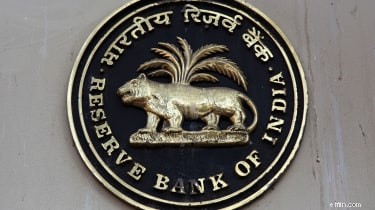
India is set to launch a central bank digital currency (CBDC) called the digital rupee in a bid to boost the digital economy.
Nirmala Sitharaman, minister for finance and corporate affairs, announced that the Reserve Bank of India would introduce the digital rupee starting from 2022 or 2023.
While presenting the 2022-2023 budget in parliament, the finance minister said the CBDC will give a big boost to the digital economy. She added that digital currency will lead to a more efficient and cheaper currency management system, and that it will use blockchain and other technologies.
India’s central bank has previously raised concerns around private cryptocurrencies around the fact they may cause financial instability.
Sitharaman also announced that the government is imposing a 30% tax, the highest tax band available, on income coming out of digital assets. Losses from sales cannot be offset against other income either, she added.
It has been claimed that CBDCs would help further the adoption of crypto, but it’s just not as simple as that, said Kristjan Kangro founder and CEO of Change, a cryptocurrency investment platform. He added that CBDCs could help speed up transactions and add credibility to crypto, but it comes at a huge cost which is centralisation.
“It’s worth noting though that CBDCs come in a lot of flavours,” said Kangro. “Central banks across the world are experimenting in different types of digital currency with different levels of anonymity, scope and underlying technology. These experiments have had mixed results.
“However, what’s certain, is that without a global approach backed up by consistent, international regulations, it’s difficult to see how CBDCs could replace cryptocurrencies in the short-term.”
India isn’t the only country in the region introducing this new technology, as last September the reserve banks of Australia, Singapore, Malaysia, and South Africa agreed to test the use of CBDCs for international settlements. The banks hoped it would reduce the time and costs for these types of transactions. The project is also set to explore different governance and operating designs to allow central banks to share CBDC infrastructures.
-

Bitcoin Explained: The History & Future of Cryptocurrency
Bitcoin is a digital currency and the first decentralized, peer-to-peer electronic cash system that has ushered in the entire industry movement that is known today as cryptocurrency. More
-
A History of Cryptocurrency: Exploring Pre-Bitcoin Digital Currencies
In recent years, the investment and technology worlds have become saturated with cryptocurrencies, blockchain apps, and related ventures and projects. In spite of the tidal wave of new digital curre
Blockchain
- Russia's Digital Ruble: 2030 Launch Plan & Key Benefits
- Federal Reserve Digital Dollar: What You Need to Know
- Tata Digital India Fund (Direct Growth): Performance & Key Highlights
- India: Embracing Cryptocurrency as Digital Cash - A Strategic Opportunity
- India Cryptocurrency Regulations: Latest Updates & Impact on Investors
- CBDCs vs. Cryptocurrency: The Future of Digital Finance?
- India Cryptocurrency Bill: Regulation of Digital Assets - Key Updates
- India's Potential to Become the Global Cryptocurrency Hub
- UK CBDC: Government Taskforce Explores Central Bank Digital Currency
-
 Cryptocurrencies & Banking: Transforming the Financial Landscape
Cryptocurrency and Blockchain Cryptocurrency and its underlying blockchain technology seem to be slowly but surely gaining acceptance in many sectors seeking speed, low fees, and a connection ...
-
 ECASH Act: Democrats Propose Privacy-Focused Digital Dollar
Five US democrats have proposed a bill that would develop an electronic version of the US dollar for use by the public.The bill, the Electronic Currency and Secure Hardware (ECASH) Act, would promote ...