
Financial Recovery: Budgeting Strategies for Difficult Times
Learning how to budget in a desperate situation is critical if you want to stay on top of your finances. Whether you are dealing with a recession, unforeseen medical bills, or any other situation you can still budget with some work. Here are a few tips on how to budget in a desperate situation.
Separating Needs from Wants
When times are desperate, the first thing that you need to do to separate your needs from your wants. Many people get confused on the subject of what they want and what they actually need. Needs include shelter, food, utilities, transportation, and other living necessities. Nearly everything else could be classified as a want.
For example, ask yourself if you really need the premium cable subscription or determine if you really need the fast speed of Internet. There are many things that we could do without and still get by. In order to successfully budget you will need to determine what you have to have in order to live and eliminate everything else.
Pay Yourself First
A part of every successful budget is some type of savings plan. You need to implement a savings account and a regular amount of money allocated to the account. When times are tough, it seems like we never have enough money to save. In this situation, paying yourself first can help you get past this problem. Determine how much you want to save from your paycheck each pay period and then deposit the amount of money into a savings account every time you get paid. Do not wait until after everything is paid to do this. This needs to be your first move every single time. If you can, set up an automatic transfer to your savings account. This will make it to where you do not have to make a conscious decision to save. Before long, your savings account will be substantial.
Work with Creditors
When times are desperate, you need to be willing to work with your creditors. If you have more bills than you have money coming in, you need to contact them and set up a payment plan. Many times, creditors will be willing to work with you as long as you commit to repaying your debt. Many people, when faced with tough financial times, tend to ignore their creditors. This is a sure recipe for disaster. Creditors like communication with their clients. If they know that a client is actually trying to repay the debt will be much more lenient with a payment plan.
Once a payment plan has been put into effect, you need to make sure the stick with it. If you go to the trouble of setting up a payment plan, you need to make sure that your payment is on time every single month. This will help you avoid late fees which can add up to a substantial amount of money each month. Then, before you know it, your financial situation will be back under control again.
-
Budget Reconciliation: Ensuring Your Budget & Bank Balance Match
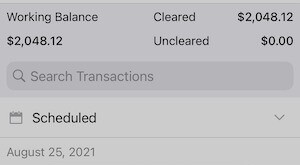
What is Budget Reconciliation in YNAB? Reconciliation is the act of making sure your bank account balance matches your budget. If you’ve ever balanced a checkbook, this is a modern day version.
-

Savings Accounts: Are They Right for You? | [Your Brand/Company Name]
There are a lot of reasons why people don’t start a budget, but I think the biggest culprit is often the perception that budgeting will take a lot of work. You’ve got to spend time thinking about you
budget
- Moving Out Costs: A Comprehensive Financial Guide
- Create a Budget: A Step-by-Step Guide to Financial Security
- Budgeting Strategies: Practical Tips for Managing Limited Funds
- Choosing the Best Home Budget Software: A Comprehensive Guide
- Effective Budgeting Strategies: A Comprehensive Guide to Expense Management
- Fixing Budget Leaks: A Step-by-Step Guide to Financial Health
- Retirement Budgeting: Why Seniors Need a Financial Plan
- Retirement Budgeting: A Step-by-Step Guide to Financial Security
- Create a Budget: A Step-by-Step Guide to Financial Wellness
-
 Baby Budgeting: Planning Finances for Your New Arrival in YNAB
Once you get past the initial excitement of planning the perfect pregnancy announcement and daydreaming about itsy bitsy baby clothes, the reality of having a baby begins to set in—particularly when ...
-
 YNAB Business Budgeting: A Step-by-Step Guide for Side Hustles
A few years after starting YNAB, I started a side hustle. I wanted to see if I could generate some extra income to pay off my mortgage early. When I started the side hustle, the first thing I did was...