
Prioritize Savings: Build a Secure Financial Future
We all know that we need to budget savings into our financial plans, however many of us still never get around to it. Savings is an integral part of anyone's financial planning. Setting aside something for savings should be a very important part of everyone's life. While we are young and still working is the time to start saving. Many people look at saving as something that they intend to do at some point. However, there are many other things that compete for our limited paychecks along the way. Here are the basics of saving and why you will want to start sooner rather than later.
Importance of Savings
You have to pay the mortgage or rent, buy food, clothes and must pay medical bills. The list of bills goes on and on. Many people have their entire paycheck spent before it is ever deposited into their account. It is important to change the way we handle our money and begin to make a plan to save immediately.
We have all seen the illustrations that show you the power of starting saving when you are young. If you start when you are relatively young, even with a small amount, you could potentially have quite a bit of money when you reach the age of retirement. In addition to retirement savings, you should also save for general emergencies, vacations and other events. Everyone should have some sort of an emergency account for things that could arise. You should ultimately shoot to have three or four months worth of expenses in an emergency savings account. This way, you know that you will be taken care of even if you lose your job, or are faced with some other serious situation.
Pay Yourself First
Although this bit of advice is tossed around everywhere you look, it is still one of the best tips to keep in mind. When you find something that works, there is no reason to ignore it just because you hear it repeatedly. With this strategy, you set aside a certain percentage of your paycheck every time you get paid. A good rule of thumb to go by is 10%.
At first, it may not be possible to pay yourself 10% every single paycheck. However, you could start with 1% and work your way up to 10% over time. The important thing is to get in the habit of paying yourself first. If you wait until after you pay all the bills, there will be nothing left for savings.
Make it Automatic
Something else that you should strive to do is make the process automatic. With today's technology, you can set up an automatic savings plan that does not require your input. When we have to consciously write out a check or transfer money, we have a tendency to let it slide from time to time. If you want to make sure that the savings happen, you need to set up an automatic transfer from your bank account to a savings account.
-

Inflation-Proof Your Budget: 9 Essential Adjustment Strategies
U.S. inflation reached 7.9% last month, which is a 40 year high and could cost you up to $4,800 a year. This is the largest spike in inflation since the recession of 1982. But that’s not all: the Fed
-
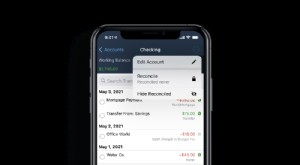
Reconcile Your Budget on iOS: Mobile Financial Management
You’ve been asking for reconciliation on mobile and now it’s here on iOS. Make your budget match your bank account on the go! You’re on the go. You’re a mobile-first user. If it doesn’t f
budget
- 30 Proven Money-Saving Tips for Moms on a Budget
- 2021 Crypto Investment Guide: Top Coins & Predictions
- Build Financial Harmony: 5 Tips for Couples' Budgeting
- YNAB: Flexible Budgeting & Money Tracking on Mobile
- Savings Accounts: Are They Right for You? | [Your Brand/Company Name]
- Budgeting for Savings: A Simple Guide to Financial Goals
- Reconciliation Feature Now Available on Android - [Your App Name]
- The Unexpected Financial Benefits of Giving Back
- Effective Budgeting Strategies for Financial Success in 2024
-
 Vacation Savings Accounts: A Simple Guide to Planning & Budgeting
Setting up a vacation account can provide you with a way to jump-start your saving effort for a vacation. Many people dream of taking an amazing vacation but never actually get around to doing a...
-
Create a Business Budget: A Comprehensive Guide
Building a financial budget is one of the critical functions of any business enterprise. Simply stated, a financial budget enables you to anticipate the business revenue, monitor the expenses an...