
Net Present Value (NPV) in Capital Budgeting: A Comprehensive Guide
Capital budgeting with net present value (NPV) is one of the most common approaches taken by a company considering a project. The goal of this approach is to figure out the value of a project given its projected cash flows and the company’s cost of capital. The purpose of this budgeting method is to allow you to see what the return of the project is, knowing how much interest or dividends will be paid by raising the money to fund the project.
NPV Equation
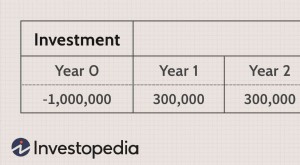
The basic equation is:
NPV = cash flow / (1 + rate)^ time period – discounts each projected cash flow using the company’s cost of capital
When all of the projected cash flows are added together, including a terminal value for the project, you arrive at the NPV of the project.
How to Use Your Calculation
Once an NPV has been calculated, you can make a capital budgeting decision. If the NPV is positive, the project should be pursued. A positive NPV means that the project adds value to the company. NPV is sometimes used to compare projects. The higher the NPV, the more attractive the project. There are some drawbacks to this approach because if the cash flows are uneven, they can be hard to estimate. Also, this approach ignores externalities.
-

Capital Projects: Definition, Characteristics & Key Considerations
What Is a Capital Project? A capital project is a long-term, capital-intensive investment project with a purpose to build upon, add to, or improve a capital asset. Capital projects are defined
-
Capital Budgeting: A Comprehensive Introduction
What Is Capital Budgeting? Capital budgeting involves choosing projects that add value to a company. The capital budgeting process can involve almost anything including acquiring land or purcha
budget
- Calculate Net Present Value (NPV) on a TI-83 Plus: A Step-by-Step Guide
- Calculate Net Present Value (NPV) with a Financial Calculator - BA II Plus
- Capital Budgeting Techniques: A Comprehensive Guide for Financial Decisions
- Capital Budgeting Evaluation Techniques: A Comprehensive Guide
- Capital Budgeting: Understanding the Payback Period Method
- Capital Budgeting: Using Discounted Cash Flow (DCF) Analysis
- Capital Budgeting: Using Internal Rate of Return (IRR) for Project Evaluation
- NPV Limitations: Understanding the Drawbacks of Net Present Value in Investment Decisions
- Net Present Value (NPV): Definition & Investment Analysis
-
 Calculate Rental Property NPV: A Step-by-Step Guide
Net present value is calculated by taking the sum of an investment's anticipated cash inflows and outflows. A present value factor is applied to the cash flows to account for the time value of mon...
-
 Budgeting Strategies for ADHD: Practical Tips & Hacks
Sometimes it seems as though adulthood is one very long obstacle course. It’s all either smooth sailing and easy wins or lessons that require special training and repeated attempts to overcome. ...