
Why Saving Money Matters More Than Earning It: A Modern Perspective
Every elementary school student in the US is familiar with the famous quote attributed to Ben Franklin – “A penny saved is a penny earned.”
This statement may have been true once upon a time, but in today’s world, a penny saved is worth more than a penny earned.
No, I am not calling Ben Franklin a liar; he was one of the most brilliant men in American history. But, if Mr. Franklin were around today, he would agree that a penny saved worth more than a penny earned. Here is why:
A Penny Saved is Worth More Than a Penny Earned
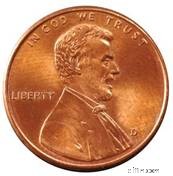 Taxes: Almost all earned income in the US is taxed. If you are in the 25% tax bracket, that dollar you earned is actually only worth $0.75. If you pay state taxes, it might only be worth $0.70 or less. That is a huge discount against the dollar you have already saved! Remember, when you have saved a dollar, you have already paid your taxes on it.
Let’s take a quick example. To buy a large Starbucks, you might have to spend $5. To replace that $5, you would actually have to earn more than $6. Hmmm… That makes you rethink that large Starbucks every morning, doesn’t it?
Time Value of Money: Would you rather have $1,000 today, or $1,000 in one year? Most people would rather have the money today, and for good reason – the money is worth more today than it is in the future. Why? Because of its earning potential. You can earn interest on the money right now.
Assuming you put your $1,000 into a bank account earning 5% interest, the $1,000 will be worth approximately $1,050 at the end of the year. If you receive $1,000 in one year, it is only worth about $952.38 in today’s dollars ($952.38 @ 5% interest will be worth $1,000 after 1 year). This calculation does not take into account the next reason a penny saved is worth more than a penny earned: inflation.
Inflation: As time goes on, the general cost of goods and services increases, and the relative purchasing power of your money decreases. Let’s use the $1,000 from the example above. If you receive it today, you have $1,000 worth of purchasing power. If you receive it in one year, the purchasing power will likely decrease due to inflation.
The work is done: With a “penny saved,” the work has already been completed and you have already paid your taxes. To earn another penny to replace it, you have to work again and pay more taxes. This may not be a big deal for a few dollars, but when you make it a habit to reduce your expenditures and live a more frugal life, you can save hundreds of dollars per month. Not spending that money means not having to work again to replace it. I would rather have my money working for me, instead of the other way around.
No guarantees for future earnings: Most of us will wake up tomorrow, go to work, and earn our paychecks. But there is always the possibility of losing your job due to corporate downsizing, being fired, of otherwise losing the ability to work and earn income (hopefully only for a short period of time). Saving money allows you to hedge against the possible loss of future income.
Saving money is important. When you look at saving and investing from the perspectives listed above, it is clear that dollar for dollar, the money you have already saved is more valuable than money you will earn in the future. The money you currently have has already been taxed, is worth more now than it will be in the future, has the capacity to grow through compound interest, and you do not have to work for it again nor worry about whether or not you will be able to earn it again. There are many ways for you to start saving money, including shopping around for cell phone carriers that are less expensive and there are those cell phone companies that will pay early termination fee for you to switch to their plan.
I try to remember these concepts whenever I am tempted to spend money, and many times I realize saving is the better option. I think Ben Franklin would be proud. 😉
photo credit: Nbauer.

-

Peloton Bike Review: Is It Worth the Investment in 2024?
Unless you never turn on a TV, you probably have seen an ad for Peloton bikes by now. The commercials make them appear so fun and motivating, but this isn't standard exercise equipment. You'll
-

Generate Income Independently: Explore Alternative Ways to Earn
The freelancers dream -- working on a laptop at the beach. Of course, reality is not always that lucky! See more money pictures.Jobs are so 20th century. Welcome to the "gig" economy, w
budget
- Luxury Retirement: 7 Worthwhile Splurges for a Fulfilling Future
- Why Experiences Matter More Than Money: A Life Lesson
- The Future of Cash: Is It Losing Value?
- Boost Your Wealth: 5 Proven Money Rules for a Higher Net Worth
- Prioritizing Well-being: Why Quality of Life Trumps Income
- Zoom's Explosive Growth: Q2 Revenue Surpasses Entire 2019
- More Money Challenge: 12 Proven Benefits & How to Save $1000+ in a Month
- More Money Challenge: Start Fresh & Improve Your Finances
- Why High Savings Accounts Aren't Always Ideal: A Financial Strategy
-
 Does Money Buy Happiness? Exploring Financial Well-being
How much money do you need to be happy? According to a study performed by Princeton economists, the ideal income for personal satisfaction is $75,000. Of course, other studies have shown that people c...
-
YNAB More Money Challenge: My $900 Savings & Lessons Learned
How I spent less and saved $900 in a month doing YNAB’s More Money Challenge. I’m a frequent Amazon shopper. No joke, the Amazon Prime driver actually waved to me while driving down our street ...