
Conquer Lifestyle Inflation: Protect Your Financial Growth
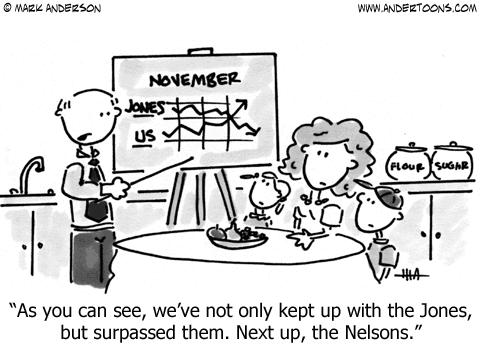
There is a near universal belief that having more money automatically improves a person’s personal finances. This could be the case if an increase in income or a sudden windfall are handled properly, but it doesn’t always work that way. More often than not, an increase in income is followed by an increase in spending. This is commonly referred to as lifestyle inflation and while an increase in spending is not always a bad thing, there is the potential to take it too far. Celebrities and lottery winners are prime examples of lifestyle inflation gone bad, providing proof that having more money doesn’t always equal financial stability. Here we look at ways to avoid lifestyle inflation or at least minimize the negative affects.
How to Avoid Lifestyle Inflation
Identify Wants and Needs
We live in one of the most affluent times in history. Cars, refrigerators, microwaves, electronic gadgets, streaming television, smartphones, and a host of other consumer items that we consider essential to our modern day life would have been extreme luxuries (or even unimaginable) to our grandparents generation when they were growing up.
The difficult part comes when trying to determine which of these luxuries is necessary, and to what degree. What constitutes a true need?
These are our essential needs: food, shelter, clothing, and a way to make a living.
All of these needs can be met with varying degrees of luxury. A steak dinner versus a simple salad. A McMansion versus living in a modest 3-bed, 2 bath home. Designer threads compared to department store brand clothing. A luxury vehicle to drive 5 miles to work versus a late model used vehicle.
There’s nothing wrong with enjoying the conveniences of life — if you can afford them without going into debt. However, it’s important that you recognize lifestyle inflation for what it is and not confuse these conveniences with needs.
Get Your Financial House in Order
Make savings a priority. Saving a percentage of your income is the first step toward financial security. When your income increases, your savings should increase as well. This will not only provide adequate backup in the event of a financial emergency but also prevent excess spending.
Avoid Debt. Debt mortgages your future. The more debt you take on today, the more difficult it will be to make ends meet later.
Plan in advance. If you received a raise today, what would you do with the extra money? Would you splurge on a big ticket item? Maybe you would move to a bigger apartment or buy a new car. Would you put your money in savings or invest in your future? While some people may call this daydreaming or fantasizing, it is actually good practice in establishing a plan for increased earnings. When you have a plan, you are more likely to put your money to good use.
Treat yourself. What is the point of working hard if you aren’t able to treat yourself on occasion. There is nothing wrong with indulging yourself, within reason. Being financially responsible is a lifestyle and one that requires a lot of hard work and discipline. It is for this reason a certain balance must be achieved between what you save and what you spend to encourage financial stability and personal happiness.
Live within your means. An increase in income does not change the fact that living beneath your means is the single most important step in financial independence. It doesn’t matter how much money you make if your expenses surpass your income, you are living beyond your means which will eventually take a toll on your personal finances.
In many cases I can afford to spend more money on certain things, but I choose not to. Instead, I prefer to seek out deals, find ways to earn more money, or do without expensive luxuries if I don’t need them. This extends into other aspects of my life as well. I try to conserve electricity and other resources, recycle waste, and in general consume less.
Adjust your budget. With more money coming in, your budget will need to be adjusted. A household budget is essential to make sure your financial obligations are met. The best budget is one that accounts for every cent, allocating money for bills, savings, spending and other financial goals. By finding a place in your budget for “extra” money, you are less likely to waste it.
Need help with your budget? Here are the Best FREE Online Money Management Tools.
Lifestyle Inflation is a Natural Part of Life
There is nothing wrong with wanting better things or living a better life. The problem occurs when lifestyle inflation is taken to the extreme, which can actually hinder your ability to enjoy the lifestyle you have worked so hard to achieve. When you balance your spending with your earnings, you can prevent this from happening.

-

Protect Your Assets: How to Avoid Judgment Collection
It's much easier for a creditor to collect an unpaid debt once he wins a judgment against you. With a judgment, a creditor can put a lien on your house, garnish your wages or garnish you bank acco
-
Minimize Western Union Fees: A Comprehensive Guide
Western Union offers convenient money-transfer options. However, if you choose to use Western Union, you will want to avoid throwing money away. Spending your money wisely requires you to be aware of
budget
- Understanding Lifestyle Inflation: How Raises Can Hinder Your Financial Goals
- Lifestyle Inflation: When It's Okay to Upgrade Without Increasing Costs
- Conquer Lifestyle Inflation: A Guide to Maintaining Financial Stability
- Conquer Lifestyle Inflation: 9 Strategies to Protect Your Finances
- Combat Lifestyle Inflation: 7 Strategies for Maximizing Savings
- Mastering Assertiveness: A Guide to Confident Communication
- Prevent Lifestyle Creep: Smart Money Habits for Financial Growth
- Avoid Lifestyle Inflation: A Guide to Maintaining Financial Stability
- Lifestyle Creep: Understanding & Preventing Financial Overspending
-
Managing Rental Income Shortfalls: A Landlord's Perspective
On April 1st, I got an unpleasant surprise, and it wasnt an April Fools joke or gag. I found out that one of our renters didnt have enough money to pay all of his rent. Since nothing like this ha...
-
Save Money on Hotels: Expert Tips to Avoid Overpaying
All of us love traveling, especially just the getting-away-from-it-all part of the vacation. When it comes to the cost, it is always better to spend extra on memorable souvenirs or a special dinner at...