Affordability Calculator: Determining Your Ideal Home Price
My wife and I recently moved to another state to be closer to her family. We decided to rent before buying, and we are currently assessing our wants and needs for the next house we buy. We have one child and may have one more, so we will probably be looking for a 3 or 4 bedroom house (the 4th bedroom is optional as long as I have a dedicated office as I run a business from home). This change will have a large affect on our budget as we are upgrading from a two bedroom town home to a 4 bedroom home in an area with a higher cost of living. One of the preliminary questions we are considering is how much house we need in terms of size and price – and how much we can afford.
How much house can you afford?
First, consider how much you can afford in your budget
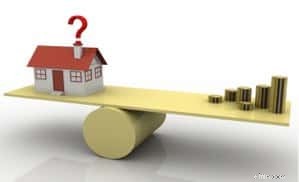 Run the numbers in your budget to determine how much you can afford for your monthly house payment. Be sure to include all associated costs, such as your mortgage payment, home owner’s insurance, property taxes, utilities, etc. More on these costs below.
What percentage of your income should your mortgage payment be? There are several rules of thumb regarding the percentage of your total take home pay your mortgage should consume. Most financial experts recommend your mortgage doesn’t exceed 25-30% of your take home pay. You may want to adjust this up or down depending on how much other debt you have or if housing costs are higher in your region. For example, if you have no non-mortgage debt, you may be able to afford more home. On the flip side, if you have a lot of non-mortgage debt, you shouldn’t get a large mortgage, otherwise you struggle to make ends meet. (Many lenders use a 36% debt to income ratio as a cutoff point for the lowest mortgage rates).
Second, consider the costs of home ownership
What kind of mortgage do you qualify for? Most people can’t afford to pay cash for a house, so chances are, you will need to apply for a home mortgage to purchase a house. Mortgage rates are still low, which makes many mortgages relatively affordable. But just because a bank is willing to lend you money doesn’t mean you should get a mortgage for the full amount. You should consider other factors as well.
Consider length of mortgage: The most common mortgage terms are 15 and 30 year mortgages. A 30 year mortgage may allow you to buy more home, but the downside is that it takes longer to repay and you will end up paying hundreds of thousands of dollars more in interest payments. Compare the pros and cons of 15 and 30 year mortgages.
Immediate costs associated with home purchase. Purchasing a home is expensive. It’s best to make a down payment of 20% or more so you can borrow less money and avoid paying Private Mortgage Insurance (PMI). In many areas of the US it is currently a buyer’s market, so you may be able to get the seller to pay the closing costs. If not, then don’t forget to factor in potential closing costs in your estimations. Additional costs may include moving your belongings, remodeling, landscaping, new furniture, etc.
Immediate costs to consider: Down payment, closing costs, moving costs, remodeling, landscaping, furniture, and other associated new home costs.
Ongoing costs. Owning a house is expensive. You have to make the monthly mortgage payment (which often includes your homeowner’s insurance and property taxes if you use an escrow account, and PMI if applicable). You may also have to pay Home Owner’s Association fees (HOA) or similar costs, and you should consider ongoing costs such as maintenance and utilities. Many people overlook the cost of utilities when they move to a new location. However, the change can be substantial if you are relocating to an area with extreme temperatures, increasing or decreasing the size of your house, etc.
Ongoing costs to consider: Monthly mortgage payment, home owner’s insurance, PMI (if applicable), taxes, association fees, maintenance, and utilities.
Use a spreadsheet to help analyze your expected costs: We found this spreadsheet more helpful than many web based calculators because it has more flexibility and can be more easily customized to account for additional payments and other factors: Free Excel Mortgage Calculator from Vertex42.
Run the numbers, then test them
A good way to gauge your ability to take on a higher house payment is to work them into your budget before you actually buy a new house. One way you can do this is to change the amount of money in your budget to reflect the expected costs. So if your mortgage payment is expected to jump $500 a month, set that money aside for a few months as part of your normal budgeting. Do this for other spending categories that may increase, such as utilities, home owner’s insurance, taxes, etc. Plugging the numbers into your active budget will help you know if you can truly afford a larger home or not.
What should you do with the extra money you set aside in your budget? I recommend dropping it into a sinking fund which you can use to help cover the cost of the move, new furniture, or other expenses related to moving into your new home.
Do you have any tips for determining how much house you can afford to buy?
Image courtesy of jscreationzs / FreeDigitalPhotos.net

-

Selling Put Options: A Guide to Generating Income from Downside Stock Movements
Buy low, sell high. This adage is the usual mantra of stock market investors, and in most cases, it works. But what if there was a way to generate a profit when a stock’s share price dips? Can you
-

Save Money & Eat Fresh: The Financial Benefits of Home Gardening
Some produce, like rhubarb, is expensive to buy in markets but can yield a large harvest in a home garden. Is there anything better than a fresh heirloom tomato picked from a backyard garden?
budget
- Calculate Your Affordable Mortgage: A Comprehensive Guide
- Affordability Calculation: Understanding How Much House You Can Buy
- Affordability Calculator: Determine Your Ideal Home Price
- Mortgage Pre-Approval Calculator: Determine Your Home Buying Budget
- The True Cost of Dog Ownership: Can You Afford a Canine Companion?
- Affordability Calculator: Determine Your Home Buying Power
- Unemployment Benefits Florida: How Much Can You Receive?
- Affordability Calculator: Determine Your Home Buying Budget
- Affordability Calculator: Determine Your True Home Buying Budget