
Buying vs. Renting: Which is More Affordable in Today's Market?
Once upon a time, it was generally assumed that homes were cheaper to rent than to buy. It varied by market, of course, but it was assumed that buying a home meant a large down payment, costly insurance, and a hefty monthly mortgage payment. But then debt got cheap and lenders were willing to finance homes for 100% of the purchase price and with creative terms, allowing virtually anyone to buy a home without putting much, if anything down. As real estate prices trended upward, the “buying is more expensive than renting” trend continued.
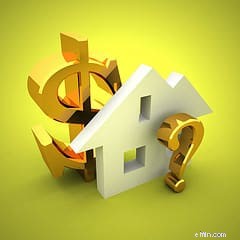
Then we experienced the real estate bubble and 2008 financial crisis. After the bubble burst, many people were stuck with homes they couldn’t afford. In some cases, people chose to cut their losses and walk away from their mortgages. The result was a glut of unsold homes on the market, a rash of foreclosures, and a precipitous fall for housing prices. Somewhere along the way, lenders were forced to change their lending practices which further slowed the housing market.
And as banks tightened their purse strings and people lost their homes, fewer people were able to buy homes and more people were forced to rent, leading to higher rent prices. According to CNN, it is now cheaper to buy a home than to rent in 98 out of the top 100 markets in the US (Honolulu and San Francisco are the two exceptions).
Do Higher Rental Prices Mean I Should Buy a Home?
So now the question looms – with rentals being more expensive in many parts of the nation, are you throwing away your money if you spend more on rent than you would if you bought a home? Since it costs more to rent, you should just go ahead and buy a house, right?
Stop right there! Buying a home is one of the biggest financial decisions you will ever make, and not something you should rush into. Even though rents are rising in many locations, that doesn’t mean buying a home is right for you. Each financial decision, especially as major as buying a home, needs to be made based on more than one factor.
You still need to keep the following things in mind when deciding to buy a home:
- Do you have a large enough down payment? Or are you willing to pay PMI?
- Is your credit score good enough? You need a top notch credit score to get your mortgage approved.
- What are your short and long term goals (personal and professional)? Does buying a house fit within these goals?
- Will the house you want to buy now (or can afford now) be the right house for you in 5 years? 10 years?
- Can you afford homeowner’s insurance, property taxes, and home improvements?
- Do you have a large enough emergency fund to pay for large repairs which may pop up?
Buying a house is more expensive than most homeowners realize, and this was a contributing factor to the mortgage bubble. Many people stretched their limits to buy a house the bank told them they could afford, only to find out that they really couldn’t afford the mortgage payments when they factored in the insurance, property taxes and other expense.
Buying is Not for Everyone
There are some advantages to renting. You aren’t on the hook for most large home repairs, you aren’t locked into one location long term – which gives you more personal and professional freedom, you don’t have to worry about selling your home in a down market, and you don’t have a host of other problems that arise from home ownership.
Do What is Best for Your Situation
It doesn’t matter if buying is more or less expensive than renting. What matters is what is right for your personal situation. If now is not the right time to buy a home, then don’t buy into the mantra that you are throwing money away if you rent. You aren’t. You are avoiding a costly mistake of buying a home when you aren’t ready and losing money when you go to sell.



budget
- The Rising Cost of Homeownership: Navigating Today's Housing Market
- Renting vs. Buying: When Renting Makes Financial Sense
- Homeownership vs. Renting: 5 Key Advantages of Buying
- Homeownership vs. Investing: Which Path to Financial Freedom?
- Fixer-Upper Homes: Risks & Rewards - A Comprehensive Guide
- Foreclosed Home Buying Guide: 7 Essential Things to Consider
- Renting vs. Buying a Home: A Comprehensive Financial Guide
- Home Ownership: Weighing the Pros & Cons (2024 Update)
- Renting vs. Buying: 5 Situations Where Renting is Financially Smarter
-
 Online Coupons: Are They Worth It? Benefits & Risks
Companies offer coupons for dining, manicures, activities and travel. Most of us are used to thinking of coupons as something you sort of, well, stumble upon. Checking the newspaper, you find ...
-
 Smart Savings: 5 Best Used Appliances to Buy
Buying a new washing machine -- or any major home appliance -- can feel like this. With no warning, your washing machine has become violently mutinous. As you watch in horror, its typical spin...