
Understanding Student Loans: A Comprehensive Guide
If you’re thinking about pursuing higher education, you may be wondering, “How do student loans work?” anyway.
You’re not alone in that—even with Google and guidance counselors, navigating how the student loan process works can feel convoluted, at best.
It can also feel like you don’t really have any freedom of choice in the matter; you need what seems like an astronomical amount of money by a certain deadline, there’s some stuff you can fill out to get it…worry about the rest later, right? Wrong. Understanding the process from start to finish before you begin can help you avoid the potential pitfalls of student loan debt.
Here at YNAB, we are generally not big fans of debt—and that’s not at all from some moral higher ground—it’s because of what it does for your financial freedom. We’re also realistic enough to understand that the current cost of college leaves many families and students with no other choice than to take on student loan debt.
Your spending (and budget) should align with your priorities. If higher education is a priority for you and student loans help make that possible, we’d rather light the path to ease your journey instead of throwing down roadblocks of judgment or advice that may not be practical for your current situation. So let’s learn how student loans work.
How Do Student Loans Work?
College is expensive, and student loans offer a relatively quick and easy way to borrow the money to cover the costs. Like all loans, taking out student loans requires the borrower to pay back the money—with interest!
Although loans, grants, work-study programs, and scholarships all qualify as financial aid, loans are the one option that must be paid back and will accrue interest at a certain point in time, ultimately costing more than the original amount borrowed. Interest rates and loan terms may vary depending on the type of student loan chosen.
Types of Student Loans
There are a few different types of loan programs, but the important distinction is between lenders: the two big categories are federal student loans and private student loans—with federal loans coming with a little more grace and private loans sometimes being a little “extra.”
Federal Student Loans
These loans come from the U.S. Department of Education and they offer some advantages over private loans:
- You don’t need a credit check or cosigner for most federal student loans.
- Federal student loans have a fixed interest rate that’s generally lower than private loans.
- Federal student loans aren’t due for repayment until you leave college, or until your enrollment drops to less than half-time.
- The federal government will pay the interest on some types of loans while you are in school, and during some periods after, if you demonstrate financial need.
- Repayment plans are more flexible and you may qualify for a deferment if you’re having difficulty making payments.
- You may qualify for student loan forgiveness through the Public Service Loan Forgiveness program if you meet certain conditions, including working for the government or a not-for-profit organization.
There are four types of federal student loans available:
How to Apply for Federal Student Loans
The first step to determine your financial aid options, including eligibility for subsidized and unsubsidized loans, is to fill out the Free Application for Federal Student Aid, known as FAFSA.
And don’t worry, although it does require you to have some information on hand, it’s not as complicated as it sounds; the FAFSA generally takes less than an hour to complete. You’ll need to go to the online FAFSA form, create an FSA ID, and make sure you have access to the following:
- Your social security number
- Your parents’ social security number if you’re a dependent
- Your driver’s license number
- If you’re not a U.S. citizen, you’ll need your Alien Registration number
- Your federal tax information, tax documents, or tax returns for yourself (if applicable), your spouse (if you’re married), and/or your parents (if you’re a dependent student)
- Information regarding the cash, savings and checking account balances, any investments such as stocks, bonds, and real estate (excluding the home you live in), and any business and/or farm assets for you and for your parents if you are a dependent student.
If your parents are separated or divorced, the custodial parent is the one responsible for filling out the FAFSA.
Check the state and federal FAFSA deadlines, and then check with your school of choice for their deadline since many colleges use FAFSA information to award their own grants, scholarships, or loans.
If you’re applying for a Direct PLUS loan as a professional or grad student, begin the application process here.
If you’re interested in applying for Parent PLUS loans on behalf of your child, start the process here.
Interested in learning more about the Direct Loan Consolidation program? Check here for additional information and the application.
Private Student Loans
Private student loans often come from banks, credit unions, state loan agencies, non-profits or other financial institutions. Many students will start with taking out federal loans, and if the cost of college exceeds their available loan amount with federal loans, they’ll supplement with private loans.
Although private student loans tend to have higher interest rates and less flexibility with repayment options, there are a few downsides to federal loans that private loans may not have, including an origination fee, borrowing limits for undergraduates, potentially higher fees and rates on PLUS loans, and the ability to seize tax refunds or garnish wages if you default on the loans.
Private student loans have a lot of variables that differ from one lender or one type of loan to another:
- Loans may have fixed or variable interest rates
- Repayment plans typically average between 5-15 years
- Applicants with favorable credit histories may receive a lower interest rate
- Many applicants will need a cosigner
If you’ve exhausted your options for federal student loans, or have decided to go with a private lender, you’ll need to apply directly with the institution offering the loan. Check with major banks, credit unions, online lenders, or ask your school’s financial aid office for recommendations.
How Can I Save Money on College?
The best way to save money on college is to keep an eye out for your future self. After all, that’s why you’re pursuing a degree in the first place—as an investment towards your future.
It’s easy for what seems like a manageable loan to turn into a landslide of defeating debt instead. Here’s how:
Make the investment towards your future a wise one by remembering that student loans come at a cost and proceed with caution. Apply for scholarships, take advantage of grants or work-study offers, consider taking your prerequisites at a community college, live at home to save on campus housing, or look into a job or side hustle so you can offset costs.
Taking small steps to save now can buy a ton of freedom for your future self. And you just completed that first small step by taking the time to learn more about student loan options!
Now that you know the answer to the, “How do student loans work?” question, you can make sure money that you borrow to cover education costs works for you instead of against you.
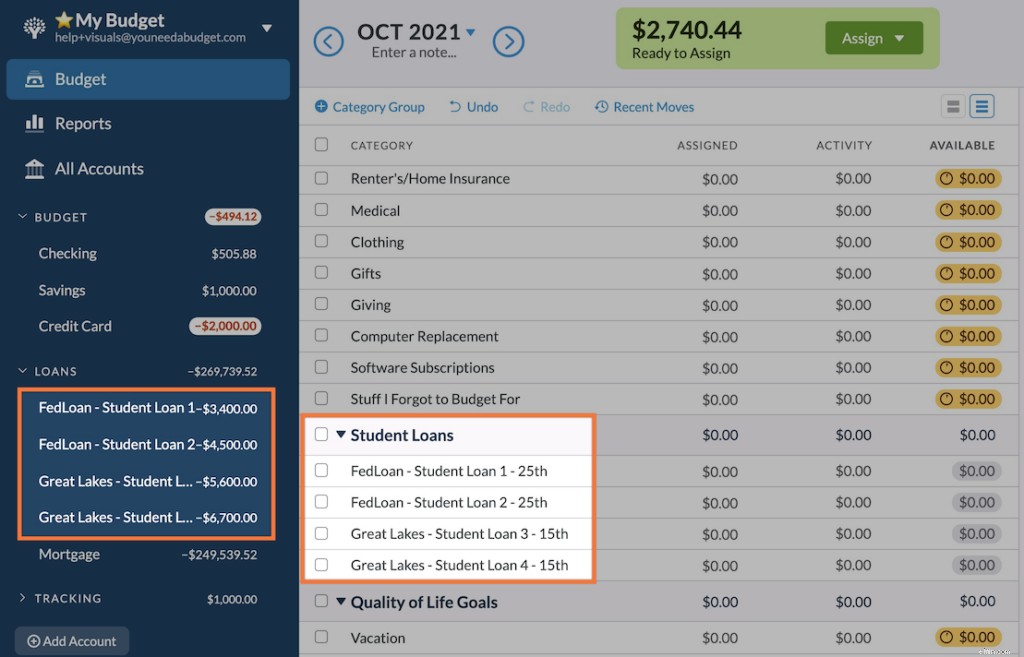
Ready to start a budget and continue on this journey of being in total control of your finances? Get a year of YNAB for free as a college student and manage your loans as you go!
-

Understanding Bonds: A Beginner's Guide to Fixed-Income Investments
Investing Image Gallery Bonds, which can be issued by corporations or even governments to raise funds, are a kind of investment for the buyer. See our investing pictures. Without loans, most
-

Understanding How Coupons Work: A Simple Explanation
What happens to that little scrap of paper when you redeem it? If you have ever used coupons at the grocery store, then you know the routine. You cut coupons out of newspapers and magazines, t
budget
- Understanding Land Loans: Recreational vs. Farm & Income Properties
- Understanding Small Personal Loans: How They Work & What to Expect
- Refinancing Student Loans: A Comprehensive Guide
- Understanding Student Loan Interest Rates: A Comprehensive Guide
- Understanding Student Loans: A Comprehensive Guide
- Understanding Student Loans: A Comprehensive Guide
- Understanding Student Loans: A Comprehensive Guide for Borrowers
- Understanding Interest-Only Mortgages: A Comprehensive Guide
- Understanding Payday Loans: How They Work & What to Consider
-
 Sallie Mae Student Loans: Options & Repayment Plans
Going to a college or university is expensive. The obvious solution many folks pursue is to take out federal or private student loans, and even then some aspi...
-
 RV Loans: Your Guide to Financing Your Dream RV
In 2021, wholesale RV shipments reached their highest level ever, topping 600,000, according to the RV Industry Association. Part of the reason for the rise in demand for RVs is due to Millennials, ...