
Affiliate Marketing for Ecommerce: A Simple Step-by-Step Guide
Getting your products into people’s hands and generating new sales is tough as a new ecommerce business.
Aside from organic ecommerce SEO which can take time, you’ll probably need to invest in paid traffic on Google or Facebook (and advertising costs continue to rise).
You’ve probably heard the term affiliate marketing thrown around, but with all of the different digital marketing tactics out there, it may seem a bit confusing or get lost in the shuffle.
Here’s the good news.
By starting an affiliate marketing program for your ecommerce store, you can quickly and affordably drive more traffic and increase sales from your online store. All while not paying a dollar upfront.
Sound interesting?
Then you’ll want to learn more about affiliate marketing.
When you look at the stats below, it makes sense why many ecommerce brands are considering starting their own affiliate programs:
- 81% of brands use affiliate marketing programs.
- Approximately 15% of all digital media industry’s revenue comes from affiliate marketing.
- 38% of marketers call affiliate marketing one of the top customer acquisition methods.
- In 2015 Amazon’s revenue surpassed $100B and affiliate marketing accounts for $10B of its sales.
That said—what is an affiliate program? How can you get started?
First, let’s define exactly what this form of performance-based marketing is.
What is an Affiliate Program?
Affiliate marketing is the process of earning money by promoting another website’s products.
It’s a simple relationship between two websites: an advertiser and a publisher.
An advertiser (you as the ecommerce store owner) has products you want to sell, and a publisher (affiliate) promotes these products on their own site and earns a commission on every sale.
The ecommerce store owner works with other websites who publish content and review products. Ecommerce merchants can leverage a website’s influence, traffic, and expertise to generate sales for their business, and only pay after the sale is complete.
Affiliates can read my how to start a blog guide for more information on how to start a successful affiliate website this year.
The publisher uses their influence and web traffic to make money from the advertiser.
They can earn a commission from on direct sales, but can also earn commissions based on a number of other actions taken on the website, based on their agreement.
Examples of Affiliate Program Payouts:
- Direct Sales. Earn a commission from traffic that drives a sale.
- Leads. Earn commissions on actions like email sign-ups, social media follows, form submissions, content downloads, etc.
- Clicks. An advertiser looking to generate a large amount of traffic might pay an affiliate on a cost-per-click basis.
What are the Benefits of Affiliate Marketing?
There are many benefits to pursuing affiliate marketing for your ecommerce site.
The internet has become a very collaborative place and the more websites you work with, the wider your reach and potential website visitors.
Here are some of the key benefits you’ll receive if you get started with affiliate marketing.
1. Everything is trackable.
You can view data on impressions, clicks, leads, and sales all in simple affiliate dashboards
2. Affiliate marketing has a strong return on investment.
One main benefit of affiliate marketing is that it is all performance-based, and you set the rules.
3. Affiliate marketing has the ability to scale.
In unison with your other digital marketing efforts, recruiting affiliates into your program will allow you to scale traffic faster.
4. It provides third-party validation and social proof.
By partnering with trusted influencers and high authority websites, you can improve your reputation and build consumer confidence.
5. You can focus on selling specific, high-value products.
When creating affiliate offers, online store owners can have affiliates promote all of their products, or just a select few. It’s a good idea to have affiliates promote your high-value products with strong profit margins. Plus, if you have a low turnover rate on certain products, you can use inventory management strategies to promote your excess inventory, improving your sell-through rate.
It isn’t expensive to get started.
For many reasons listed above, affiliate marketing is very cost-effective.
So now that you understand the basics of what affiliate marketing is, how do you start your own affiliate program? How can you leverage this type of performance-based marketing to drive more business to your ecommerce store?
-

Affiliate Marketing: A Comprehensive Guide for Beginners
AffiliateAffiliatesBecome a CFI Affiliate and earn 20% commission by referring your audience to the worlds leading finance training and courses. marketing occurs when an individual or company markets
-
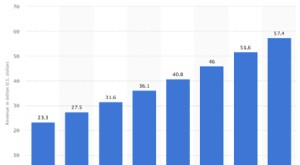
Top 12 Automotive Ecommerce Sites Driving Online Sales Growth
U.S. ecommerce revenue from auto and parts retail sales are projected to reach $51.6 billion in 2018, representing a 121% increase compared to 2012 revenue. With automotive ecommerce revenue g
Business
- Bankruptcy Filing: A Comprehensive Step-by-Step Guide
- Top 10 Legitimate Affiliate Programs for Bloggers in 2024
- Essential Accounting Basics for Small Businesses: A Practical Guide
- Affiliate Marketing: A Beginner's Guide to Earning Online
- Email Automation for Ecommerce: Boost ROI & Customer Engagement
- Instagram Advertising for Ecommerce: A Complete Guide to ROI
- SMS Marketing for Ecommerce: A Comprehensive Guide to Boost Sales
- Ecommerce Payment Processing: A Simple Guide for Small Businesses
- Credit Card Application: A Clear, Step-by-Step Guide to Approval
-
 Choosing the Perfect Ecommerce Theme: A Comprehensive Guide
In today’s digital world, consumers are more distracted than ever. How many times have you visited a website, but then abandoned your cart because you had to go run errands or switched tabs bec...
-
 Holiday Ecommerce Success: Shipping, Packaging & Fulfillment Strategies
GET THE FULL HOLIDAY GUIDE For more expert advice, download our 2020 Holiday Guide. DOWNLOAD THE GUIDE Every year, one resounding piece of advice echoes through the ears of every retail brand ac...