
Refinance Your Car Loan: Save Money with 6 Easy Steps
If you don’t know how to refinance a car loan, you could be leaving money on the table. In fact, a report by RateGenius shows the average annual savings on refinanced car loans in 2020 was $989.72. Even better, the same report shows over 42% of Americans with successful auto loan refinance applications saved more than $1,000 per year on their loan.
But if you want to get in on these savings, you’ll need to know how the refinancing process works. In this guide, we’ll take you through the necessary steps for refinancing a car loan and also explain when it is (and isn’t) a good idea. This will help you learn how to refinance a car loan and decide whether it could be the right move for your personal finance situation.
In this article- What does refinancing a car loan mean?
- How to know if refinancing a car loan is right for you
- When is refinancing a car loan a good idea?
- When is refinancing a car loan a bad idea?
- How to refinance a car loan (in 6 simple steps)
- FAQs
- Bottom line
What does refinancing a car loan mean?
Refinancing an auto loan means replacing your current auto loan with a new one. In effect, a new lender pays off your original loan and sets you up with a new loan. This would typically be done to get more favorable loan terms.
For example, you might want to lower your APR (annual percentage rate), which is your interest rate plus any associated fees, so you can save money on interest payments over the life of the loan. Or it could make sense to increase the length of your loan so your monthly payments go down and become more affordable.
How to know if refinancing a car loan is right for you
Whether you want to save money or reduce your monthly car payment, it’s important to consider multiple factors associated with refinancing a car loan. In some cases, it might make sense to do a refinance, but it might not in others.
When is refinancing a car loan a good idea?
Switching from an old loan to a new auto loan might be a good idea in these situations:
- Loan rates are down: Interest rates, including car loan APRs, typically follow trends depending on the economy. If average rates are going down, you likely have more opportunities to secure a lower interest rate when refinancing a car loan.
- Your credit score has improved: Your credit history plays a big role when it comes to the terms you’ll get offered for a new car loan. If your credit score has improved since you first took out a car loan, you could refinance and qualify for a better interest rate and save money. Or you may be able to switch to a preferable financial institution.
- You can pay off your loan quicker: If you can qualify for a refinance with a shorter term length, which is the length of time you have to pay off the loan, you might be able to pay your loan off quicker and save on interest. For example, if you have a 60-month car loan and qualify for a 36-month car loan refinance at the same or lower interest rate, you could avoid paying interest on 24 months of payments and save money.
- You’re having trouble with loan payments: If you can’t keep up with your current payments, it could make sense to refinance your car loan and increase its term length. This typically reduces the cost of your monthly payments since they get spread out over a longer period of time. However, you might pay more interest over the course of the loan.
When is refinancing a car loan a bad idea?
Refinancing a car loan might be a bad idea in these situations:
- Loan rates are up: If interest rates have increased on average since you first took out your car loan, it’s likely not the best time to refinance. You likely don’t want to end up with a higher interest rate than you already have unless you need to increase your loan’s term length to better afford monthly payments.
- Your credit score has gone down: If your credit score has gone down from when you originally took out your car loan, refinancing won’t often offer a better deal on interest rates.
- You’re upside down on the loan: Being upside down on a car loan means owing more money than the car is currently worth. Refinancing in this case wouldn’t make sense if you can’t get a lower interest rate or shorter term length. Also, some lenders won’t offer you auto loan refinancing unless you first pay the difference between the remaining balance on your existing loan and your vehicle’s current value.
- Prepayment penalties are high: Some car loans have fees, called prepayment penalties, if you pay off your owed amount early. This is to help the lender make back some of the money it’s losing from lost interest payments. If your current car loan has high prepayment penalties, it might not make sense to consider a refinance.
How to refinance a car loan (in 6 simple steps)
To get started with refinancing a car loan, follow these steps:
1. Check your credit score
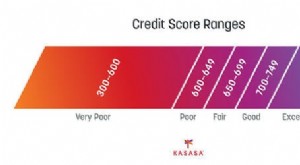
Your credit score is often the biggest factor in determining what kind of car loans are available to you. If you have a good credit score, you’ll typically qualify for loans with more competitive rates and term lengths. The same applies to refinancing a car loan.
Knowing your credit score can give you a better idea of what to expect if you’re considering a refinance. This is especially important if you think your credit score has changed from when you first started your existing car loan. If your credit score has gone down, it might not make sense to refinance. But if you’ve improved your score, you could qualify for better terms.
You can get started by checking your FICO Score, a type of credit score, for free with Experian.
-

Refinance Your Car Loan with Bad Credit: Is It Possible?
If you are thinking about refinancing your car loan, its like that you didnt get the best interest rate at the time you were buying your car. A high-interest rate can cr
-

Car Loan Application: A Step-by-Step Guide for 2024
The most significant thing on this planet is having food and a comfortable place to stay. However, there are instances when we need to own a vehicle. Such a decision can have a significant impact on
debt
- Refinancing a Car Loan After Divorce: A Guide
- USAA Car Refinance: Save Money on Your Auto Loan
- Refinancing a High-Mileage Car: What You Need to Know
- Loan Refinancing: Save Money & Improve Your Finances | [Your Brand]
- Student Loan Refinancing: Lower Your Payments & Save Money
- Refinancing Student Loans: 4 Ways to Lower Your Payments & Save Money
- 6 Simple Steps to Save Money & Build Financial Security
- Personal Loans: Are They Right for You? | [Your Brand Name]
- Refinance Your Car Loan: A Comprehensive Guide & Benefits
-
 Mortgage Refinance: A Step-by-Step Guide to Lower Your Payments
It doesn’t matter how long ago you purchased your house, whether it’s been just a few years or several decades. Consider re-evaluating your current mortgage and living situation to deter...
-
 Refinancing Personal Loans: Is It Right for You?
Yes, of course. Thats the easy answer. Every type of loan may be refinanced, but its important to know if you should refinance a loan. Knowing whether it’s the right time to refinance a loan de...