Boost Your Credit Score: How Personal Loans Can Help (Up to 20+ Points)
Many or all of the products here are from our partners that pay us a commission. It’s how we make money. But our editorial integrity ensures our experts’ opinions aren’t influenced by compensation. Terms may apply to offers listed on this page.

Most people who consolidate debt with a personal loan see their credit score go up -- here's why.
Can a personal loan raise your credit score? Several personal finance experts have said that it can, but now we have proof.
Credit bureau and consumer finance company TransUnion recently released a new study at the 2019 Money20/20 conference that examined consumers who used a personal loan to consolidate credit card debt. For 68% of those customers, the study found that their credit scores increased by 20 points or more within three months of consolidating their debt.
The results were even more impressive in subprime and near-prime consumers, where the study found 20-plus-point credit score improvement rates of 84% and 77%, respectively.
This may seem counterintuitive. After all, it is well known that applying for new credit (including a personal loan) can have a negative impact on your credit score. What's more, the study found that after consolidating credit card debt with a personal loan, the average consumer's overall debt actually increased. However, there are a few key ways that a personal loan can help your credit score far more than it could hurt it.
One email a day could help you save thousands
Tips and tricks from the experts delivered straight to your inbox that could help you save thousands of dollars. Sign up now for free access to our Personal Finance Boot Camp.
By submitting your email address, you consent to us sending you money tips along with products and services that we think might interest you. You can unsubscribe at any time. Please read our Privacy Statement and Terms & Conditions.
Lower credit utilization
One of the most important components of your credit score is the amount you owe -- or specifically, the amount you owe relative to your credit limits or to the original balances of your loans. In the FICO credit scoring formula, the "credit utilization" category makes up 30% of your score.
So, if you use a personal loan to consolidate all your credit card debts, the credit utilization on your credit cards effectively drops to zero. As long as you continue to keep your credit card accounts open (and keep your balances low), this is likely to be a major positive catalyst for your credit score.
Installment debt vs. revolving debt
There are two main categories of debts that are reported to the credit bureaus -- installment and revolving. Installment debts are loans with specified monthly payments which you pay off over a set amount of time. On the other hand, revolving debts are open ended and tend to have low minimum monthly payments and flexible repayment timeframes.
As you might guess, credit cards are revolving debts and personal loans are installment debts. And the latter is typically scored more favorably.
Think about it this way. If you have a credit card with a $5,000 limit and you have a balance of $4,900, that's a bad thing. Your credit card is nearly maxed out. On the other hand, a $5,000 personal loan that you've paid down to $4,900 isn't necessarily a bad thing at all.
Credit mix
One of the lesser-known components of the FICO credit-scoring formula is your "credit mix." This category accounts for 10% of your score, and you can think of it as a reward for diversification. For example, having a mortgage, a credit card, and an auto loan can be better than having three accounts of the same type.
The idea here is that lenders want to see that you can handle a variety of different types of credit responsibly, not just one or two. Adding a personal loan can help improve this score -- although the FICO® Score creators advise that this will likely have more of an impact on consumers with less established credit files.
This only applies to debt consolidation
Technically speaking, you can use a personal loan for whatever you want, even if the lender asks you to indicate why you're borrowing when you apply. And there are some ways that using a personal loan can be harmful to your credit score -- such as obtaining a personal loan on top of a mountain of credit card debt.
The point is that the score boost found in TransUnion's survey was specific to consumers who used personal loans to consolidate credit card debts and for no other reason. In a nutshell, when you do this, you're exchanging a bad form of debt for a good form of debt. But that isn't always the case when obtaining a personal loan.
The Ascent's Best Personal Loans for 2021
The Ascent team vetted the market to bring you a shortlist of the best personal loan providers. Whether you're looking to pay off debt faster by slashing your interest rate or needing some extra money to tackle a big purchase, these best-in-class picks can help you reach your financial goals. Click here to get the full rundown on The Ascent's top picks.
-

Understanding Your Equifax Beacon Score: What It Is & How to Check
Whenever you apply for a loan or credit, the creditor will look at your credit score to determine whether you are an acceptable risk. Credit scores are a three-digit number ranging from around 300 to
-
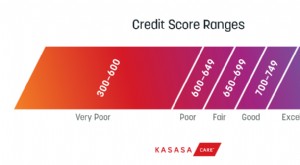
Improve Your Credit Score: A Comprehensive Guide for All Ages
Your credit score plays an important role in many aspects and stages of your life, from the rate you get on a loan to passing a background check for your dream job. On the flip side, having a bad cred
debt
- The Impact of Personal Responsibility on Your Credit Score
- Boost Your Credit Score: A Guide to Better Personal Loan Rates
- Boost Your Credit Score: A Comprehensive Guide
- Personal Loan Approval: Boost Your Chances with Expert Tips
- Personal Loan Approval: Increase Your Chances - Expert Tips
- Personal Loans & Credit Scores: Understanding the Impact
- Personal Loans & Credit Scores: What You Need to Know
- Personal Loan Success Story: Save $4,000 & Boost Credit Score
- Boost Your Credit Score: 5 Proven Strategies for 2015