
Debt Refinancing: When Lower Rates Don't Always Mean Savings
Many or all of the products here are from our partners that pay us a commission. It’s how we make money. But our editorial integrity ensures our experts’ opinions aren’t influenced by compensation. Terms may apply to offers listed on this page.
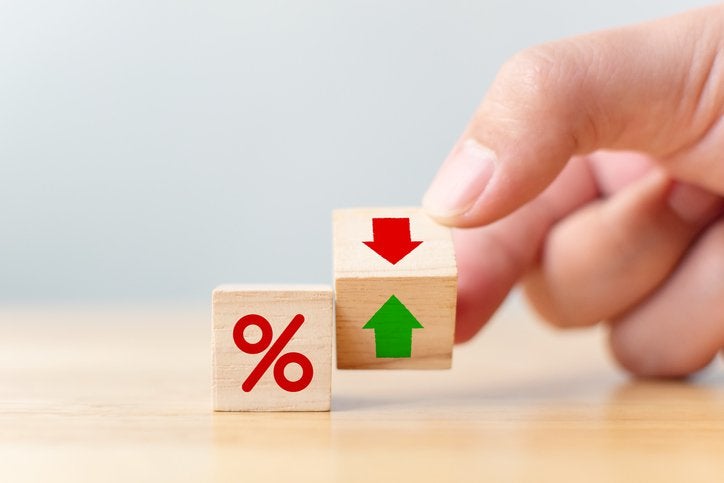
Don't assume a lower interest rate always means reduced interest costs.
Refinancing your debt means paying off existing loans by taking out a new loan to do so. Many people refinance because they can qualify for a new loan with a lower interest rate. Reducing the interest rate, or the cost to borrow, theoretically means you pay less for your loan over time.
However, that isn't always the case. In fact, while a refinance loan that drops your rate often results in significant savings over the long-term, sometimes refinancing could actually cost you money -- even if you get a loan at a much lower APR. Here's how that could happen.
One email a day could help you save thousands
Tips and tricks from the experts delivered straight to your inbox that could help you save thousands of dollars. Sign up now for free access to our Personal Finance Boot Camp.
By submitting your email address, you consent to us sending you money tips along with products and services that we think might interest you. You can unsubscribe at any time. Please read our Privacy Statement and Terms & Conditions.
When your refinance loan could cost you more money
Refinancing could cost you more money, even when you have a new loan at a lower rate, under one particular circumstance.
When you refinance, you don't just change the interest rate you're paying on your home loan -- you can also change loan terms, too. And one of those terms is your repayment timeline.
If you make your payoff timeline longer than the repayment time on your current loan, you'll have to pay interest for a longer period. Since you'll be paying the bank for the privilege of borrowing for a few extra years, you could end up with higher total interest payments even if you've dropped your rate substantially.
Say, for example, you took a 30-year mortgage loan for $300,0000 at 4.25% around 15 years ago. You'd have a monthly payment of around $1,475 and your remaining loan balance would be close to $200,000.
Mortgage refinance rates are very low right now, so you may be able to drop your interest rate substantially. And if you chose a 15-year refinance loan, you could save a lot on interest since you'd be dropping your rate and keeping your repayment timeline the same. But if you chose a 30-year fixed rate loan and refinanced to 2.95%, you'd add a full 15 years on to the time it would take you to be debt free.
With this scenario, you'd reduce your monthly payment by around $654 per month. But, since you'd be stuck paying interest for an additional 15 years, you'd pay around $30,000 more in interest over the life of the loan. And that's not even factoring in refinance costs that you'd have to pay to close on your new loan.
Although it might at first seem like refinancing would save you money, you'd be trading a reduced monthly payment for higher costs over the long haul. This tradeoff might be worth it to you, especially if you make smart decisions with the extra money you free up in your budget by refinancing (such as investing the money). But you need to be aware that you aren't ultimately saving money by securing a refinancing loan in this scenario.
And this isn't just true for mortgages. Whenever you refinance debt, you need to consider both the interest rate and your new repayment timeline when determining if a new loan is a smart financial move. By looking at the big picture, you can make the best overall financial choice for your situation.
The Ascent's Best Personal Loans for 2021
The Ascent team vetted the market to bring you a shortlist of the best personal loan providers. Whether you're looking to pay off debt faster by slashing your interest rate or needing some extra money to tackle a big purchase, these best-in-class picks can help you reach your financial goals. Click here to get the full rundown on The Ascent's top picks.


debt
- Avoid Debt Traps: Understanding Interest & Upside-Down Loans
- Loan Refinancing: Save Money & Improve Your Finances | [Your Brand]
- Debt Relief: Using Personal Loans to Consolidate & Save Money
- Refinancing Student Loans: 4 Ways to Lower Your Payments & Save Money
- Navigating Financial Stress: The Benefits of Open Communication
- Debt Consolidation with Personal Loans: 3 Key Scenarios
- Personal Loan Interest Rates: Key Factors & How to Improve Yours
- Debt Consolidation: A Step-by-Step Guide to Simplifying Your Finances
- The Hidden Costs of Frugality: Avoiding Debt Burnout
-
 Student Loan Refinancing: Benefits, Process & What to Expect
Chances are you’ve heard of refinancing a mortgage, but did you know you can refinance your student loans? One of the best parts about student loan refinancin...
-
Debt vs. Savings: Which Should You Prioritize?
If you feel like you’re drowning in debt, you’re not alone. In 2021, household debt has risen to over 14 trillion dollars in the US alone. That’s a number so big, we have no way to even fathom it. It’...