
Affordable Housing: 12 Suburban Markets Near Major US Cities
Overall, the cost of housing in the U.S. is still going up in many markets. The median sale price of a home in the U.S. was $420,357 in March.
In cities like Boston, New York, Austin, Miami, and others, you may not be able to afford a home unless you find ways to help pay your mortgage on top of your current income.
But the suburbs near a big city may offer homes that are more affordable and where you can still enjoy metropolitan life. Here are a few options near popular metro areas.
Kyle, Texas
didesign/Adobe

Austin has grown in recent years, attracting Texans and out-of-stateers to the unique town. In March, the median sale price of a home in Austin was $550,000.
Instead, consider Kyle, one of Austin's larger suburbs. The area has a mix of newer builds and older homes, and you could find a new home for a median sale price of $329,250 in March.
Plus, if you need to earn extra money to afford living in a hot market, Austin is one of the top areas for freelancers.
Hialeah Gardens, Florida
Pixel-Shot/Adobe

Hialeah Gardens has seen an influx of newcomers to Florida, including new residents with families. To cover the shortfall of teachers, the school district is training new teachers to accommodate larger class sizes.
The median sale price in March was $450,000, which is a drop from earlier in the year. Compare that cost to nearby Miami, which has a median sale price of $600,000.
Montvale, New Jersey
drubig-photo/Adobe

It can be tough to make it in New York City when considering the housing cost. After all, the median sale price for a place in Manhattan was a whopping $1.2 million in March.
Compare that to Montvale, a commuter town in New Jersey with its own stop on New Jersey Transit. In Montvale, you could find a home for $875,000.
It's still steep compared to other parts of the country, but it's more affordable than New York City.
Waldorf, Maryland
peopleimages.com/Adobe

Washington, D.C., is a hub for federal and tech jobs, leading to higher home prices. For example, a home in the District would've set you back $644,950 at a median home sale price in November, according to the real estate website Redfin.
If you don't mind driving to Washington, D.C., instead of living there, check out Waldorf. The town, which is south of the city, has a median sale price of $420,000.
The suburban town features a 13-mile bike trail and is home to the Southern Maryland Blue Crabs professional baseball team.
Boulevard Park, Washington
Seventyfour/Adobe

You might be sleepless in Seattle, worrying about the cost of housing. The largest city in the Northwest also has the largest median home sale price, reaching $846,000 in March.
Nearby Boulevard Park could be a better option close to the city but with more affordable housing. In November, the median home sale price came in at $562,500, which sounds like a lot but is a lot less than Seattle.
Lawrence, Massachusetts
JackF/Adobe

Boston is among the 20 most expensive cities in the U.S., and its median home sale price was $819,750 in March. If you don't mind a 40-minute commute on Massachusetts Bay Transportation, try Lawrence.
Lawrence has the rich history you would expect from an old New England town but without the rich price tag for housing. The area's median home price was $562,000 in November, according to Redfin.
Magna, Utah
Antonioguillem/Adobe

Outside of Salt Lake City is Magna, which is only about a 20-minute drive from the Salt Lake City airport. You can purchase a home in the area for $415,000, the median sale price as of March.
Compare that to Salt Lake City proper, where a house would cost $555,000 in median sale price in March.
Bell Gardens, California
Prostock-studio/Adobe

Los Angeles can be an expensive option if you live in southern California, with the median sale price hitting $982 in March.
Check out the inland suburb of Bell Gardens instead. Prices are still steep at $925,000 as a median sale price in November, but cheaper than the nearby City of Angels.
Aurora, Colorado
Drazen/Adobe

Denver is becoming a more popular option as new residents come to the Mile High City for work and quality of life. Its popularity is reflected in the city's median home sale price of $600,000 in March.
Instead, consider Aurora, which is east of the city. You could have picked up a home in the area for a median sale price of $475,000.
Independence, Missouri
littlewolf1989/Adobe
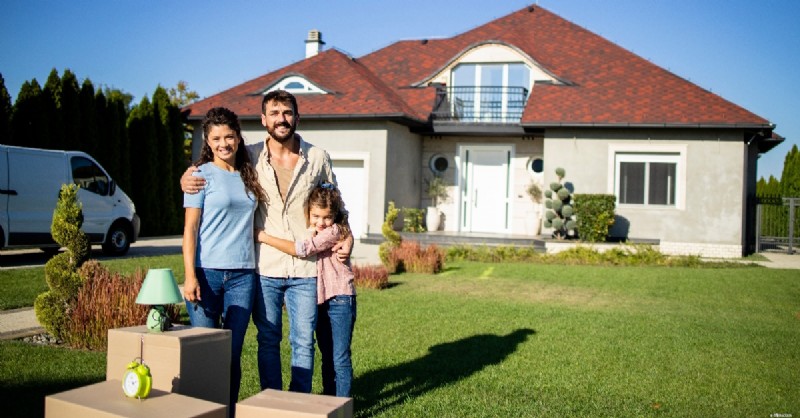
Kansas City is home to the Super Bowl-champion Kansas City Chiefs and may have pricier houses than other Midwest cities. The median sale price for the area was $261,000 in March.
Nearby Independence may be a better option. The city, which was the home of President Harry Truman, sits east of Kansas City and had a median sale price of $212,900 in March.
Greenbrier, Tennessee

Greenbrier offers plenty of outdoor activities while being close to Nashville. But the city doesn't have the same price tag, with the median sale price for homes in March coming in at $344,000.
If you prefer to live in Nashville, a median-price home there would have cost $474,995 in March, according to Redfin.
Redan, Georgia
Davide Angelini/Adobe

Atlanta is a peach of a town that continues to attract new residents. According to Redfin, the median sale price in March was $415,000.
But if that's too pricey for you, consider a move to Redan instead. The suburb east of Atlanta will cost you $254,900 for a home.
Bottom line
mavoimages/Adobe

Housing costs don't have to eat into your budget if you're willing to live in the suburbs instead of the city.
Check out suburban options if you're trying to save money on a home, but remember to also factor in other costs, such as property taxes, when creating your budget.
If you're living paycheck to paycheck or want to retire early, you don't want to be surprised by additional costs like gas if your commute is longer.
- $0 annual fee
- Intro APR on purchases and balance transfers
- Apply Now
- INTRO OFFER: Unlimited Cashback Match for all new cardmembers. Discover will automatically match all the cash back you’ve earned at the end of your first year! There’s no minimum spending or maximum rewards. You could turn $150 cash back into $300.
- Earn 5% cash back on everyday purchases at different places you shop each quarter like grocery stores, restaurants, gas stations, and more, up to the quarterly maximum when you activate. Plus, earn unlimited 1% cash back on all other purchases.
- Redeem cash back for any amount. No annual fee.
- Get a 0% intro APR for 15 months on purchases. Then 17.49% to 26.49% Standard Variable Purchase APR applies, based on credit worthiness.
- Terms and conditions apply.
4.7
FinanceBuzz writers and editors score cards based on a number of objective features as well as our expert editorial assessment.
Our partners do not influence how we rate products.
Apply Now
on Capital One's secure website
Read Card ReviewIntro Offer
Discover will match all the cash back you’ve earned at the end of your first year.
We can help boost your earning potential even further!
Loading...
Confirming Subscription
Loading...
Thanks for Becoming an EXTRA Ultimate Subscriber!
Check your texts
Reminder: Check your inbox as well to confirm your EXTRA email subscription.
-

COVID-19 Financial Assistance: 13 Ways to Access Available Funds
With the number of COVID-19 cases trending upward, worries are returning that we'll still be wrestling with the coronavirus pandemic for quite some time to come. Unfortunately, that translates to
-

Scambaiting: How Online Heroes Fight Back Against Scammers
Both my ex-wife (Kris) and my current girlfriend (Kim) tell me I get too worked up about things sometimes. “You over-react,” they both tell me. Maybe so. I prefer to think of myself as passionate. On
debt
- UK Debt Yields & Fiscal Policy: Examining the 'Magic Money Tree'
- Beyond the Debt: Key Economic Risks Facing the U.S.
- Bankruptcy for Pharmaceutical Companies: Protecting Debtors & Creditors
- Bankruptcy Costs Explained: Filing Fees & More
- Mobile Payments & Virtual Wallets: The Future of Finance
- Maximize Retirement Savings: 15 Facts on Using Student Loan Payments for 401(k) Matching
- Debt Consolidation Strategies: Save Money & Simplify Finances
- 5 Financial Mistakes That Can Ruin Your Future
- Startup Business Loans: A Comprehensive Guide for New Ventures
-
 Bitcoin in 2021: Maximizing Benefits & Investment Strategies
Bitcoin is a popular cryptocurrency currency, which has become quite popular within a few years. Due to which today it remains a matter of discussion among all people. By analyzing the past and for ...
-
![Infinite Banking Explained: Become Your Own Banker | [Your Brand Name]](https://www.etffin.com/article/uploadfiles/202110/2021100815150403_S.jpeg) Infinite Banking Explained: Become Your Own Banker | [Your Brand Name]
Infinite Banking Explained: Become Your Own Banker | [Your Brand Name]Infinite banking refers to a process by which an individual becomes his or her own banker. The infinite banking concept was created by Nelson Nash. In his book, “Becoming Your Own Banker,”...