
Protect Your Finances: 15 Steps to Negotiate & Reduce Medical Bills
Medical debt is complex. A single doctor's appointment could mean several bills from various providers, and any type of hospital stay can seem impossible to unravel.
Moreover, simple mistakes made on entry codes or confusion between patients can lead to thousands of dollars in excess bills you shouldn't have to pay.
Here are some simple steps you can take to get out of debt with your medical providers that could help you save money.
Check the accuracy of the bill
Wayhome Studio/Adobe

Checking your medical bill for accuracy is one of the most common oversights for patients. Make sure you verify that you received the care listed on your bill and that it was completed on the date and by the provider noted on that documentation.
If you can't recall this information, call your provider and verify its accuracy. Ask them to offer a plain language explanation for anything on your bill that doesn't make sense.
Read the explanation of benefits
Minerva Studio/Adobe
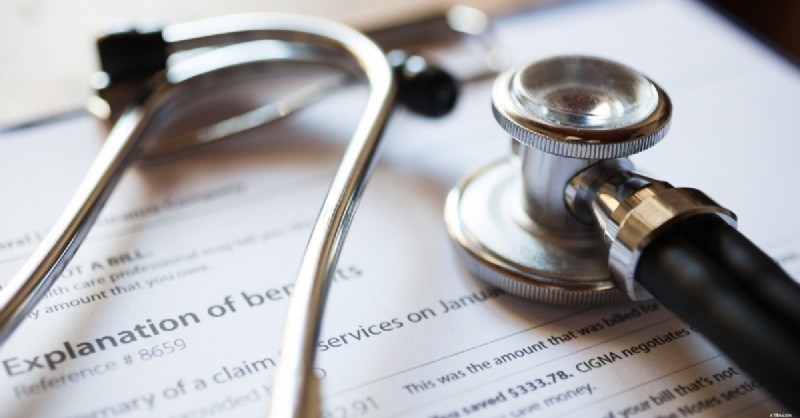
Once you verify that the bill is yours, the next thing to do is read the benefits explanation (EOB). This will provide you with a breakdown of the care and the amount your insurance company is paying.
You want to see that the medical provider has listed any insurance payments they received for your bill.
Verify your debt doesn't fall under the No Surprises Act
Vamumusa C/peopleimages.com/Adobe

In January 2022, the No Surprises Act went into place, making it illegal for medical providers to bill you with high charges without informing you that the care they provided was outside your covered network.
They also have to alert you that they are charging you for emergency care services, which could be higher than your standard doctor's appointment.
If you feel any information is inaccurate because you were not told about a higher cost, dispute the bill.
Don't fall for claims of credit reporting
Rido/Adobe

Medical bills can land on your credit report, but providers (and debt collectors) can't report that debt to the credit bureaus until they've tried to collect it first.
Some less-than-honest debt collectors may try to scare you into making a payment immediately or in full to avoid a negative credit report. They are not allowed to do that, and you have the right to dispute the bill if they do.
Ask for financial assistance
Rido/Adobe

If you receive your care through a nonprofit hospital or provider, they are required by law to maintain financial assistance programs. That doesn't mean your care will be free, but the provider may be able to work with you.
You should be able to work out a payment plan that's more affordable to you. If you can't get help through your provider, turn to local social services in your community for guidance.
Know your debt could be sent to collections
Olivier Le Moal/Adobe
A medical provider can send your debt to a debt collector, even if you're currently making payments on it, especially if you don't pay the entire billing amount when you receive it.
If you can't pay what's due, talk to the provider about your financial assistance options. Many will work with banks to spread out payments over time.
Find out if you qualify for Medicaid
Tada Images/Adobe
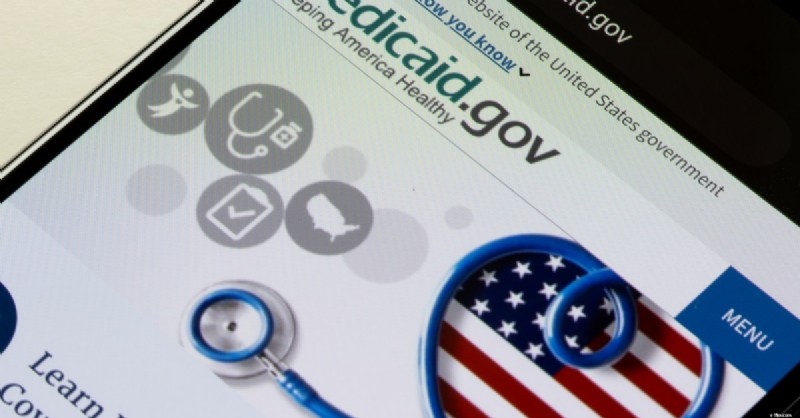
For those with a low income, a single medical bill can derail their entire budget for months. Many people with a low income qualify for Medicaid, which may help cover some or all of their medical bills.
If you know you'll need more medical services, talk to your local Medicaid office to determine if you qualify for financial support.
Dispute any payment in collections you're not sure of
Alliance/Adobe

Mistakes can occur when debts go from your medical provider to a debt collection agency. When that happens, you need to be sure you've reviewed your medical bills (yes, again) and verified the accuracy of the charges.
You can dispute any collection activity. You can also discuss your bill with your original provider, and they may be willing to work with you.
Avoid paying your medical bills using credit
Kittiphan/Adobe

Even when there are fees, medical bills don't charge high interest rates like credit cards. If you use a credit card to pay your medical bills, you've now increased that cost to you substantially.
With the average interest rate on credit cards at just over 20%, that will raise the cost of that medical treatment.
The better option is to call the medical provider or debt collector and work out a payment plan. That is likely to cost less in the long term.
Know how to spot a scammer
Mangostar/Adobe

Medical bills are prime targets for scammers looking to take your money. Avoid any debt collection service that calls you promising that if you make payment now, your credit score will be protected.
If you're unsure about whom you are speaking to, ask them to send you a written copy of the bill. Avoid making payments over the phone.
Negotiate your medical costs
BestForYou/Adobe

Before you agree to medical treatment, find out how much it will cost. If that is too expensive for you, negotiate with your medical provider.
That's often easier to do when you request a lower rate from your doctor in advance. Some providers may be willing to lower the fee even after a service.
You may be able to ask a doctor or hospital to offer lower rates for any of the services you need. They're more likely to work with you if you don't have health insurance.
Know what to expect in medical costs
jittawit.21/Adobe
A range of resources are available to help consumers learn more about the average cost of any medical procedure, demystifying what often seems like complex charges.
For example, Healthcare Bluebook provides insight into what others pay for specific medical services in a given area.
The key is to ask questions. Know the cost before you head into a procedure rather than suffer a surprise later.
Dispute denials of coverage
Prostock-studio/Adobe

An insurance company can deny or limit the coverage due to an error or a misunderstanding. If the insurance company isn't paying and you expected them to, contact them to dispute the claim.
Typically, you have the right to appeal within 30 to 60 days; doing so sooner rather than later is ideal.
Tell debt collectors no
Antonioguillem/Adobe

Deb collectors must follow numerous rules, such as not harassing you for payment or providing any details about your debt to anyone but you.
If you're struggling with an abusive creditor or they are calling you at all hours of the night, and you've asked them to stop, seek legal guidance. You can contact the Consumer Financial Protection Bureau to report abusive behavior.
Ask for a discount if you pay in full
Andrey Popov/Adobe

Some medical providers may give you a discount if you pay your full balance immediately. Don't assume they will offer this, but always ask about it.
You may want to pay over time to make bills more affordable. But if you can make a payment now, and it's 10% to 20% lower because you're paying in full, that will save you money in the long run.
Bottom line
fizkes/Adobe

In 2022, about one in every five American households had some medical debt, and about 58% of debt collections are due to medical debt.
You're not alone in this battle, and you shouldn't be worried about asking for help when you need it. That's especially true if you're struggling to get ahead financially.
Don't put off getting the medical care you need. Just learn to manage the costs as much as possible.
- $0 annual fee
- Intro APR on purchases and balance transfers
- Apply Now
- INTRO OFFER: Unlimited Cashback Match for all new cardmembers. Discover will automatically match all the cash back you’ve earned at the end of your first year! There’s no minimum spending or maximum rewards. You could turn $150 cash back into $300.
- Earn 5% cash back on everyday purchases at different places you shop each quarter like grocery stores, restaurants, gas stations, and more, up to the quarterly maximum when you activate. Plus, earn unlimited 1% cash back on all other purchases.
- Redeem cash back for any amount. No annual fee.
- Get a 0% intro APR for 15 months on purchases. Then 17.49% to 26.49% Standard Variable Purchase APR applies, based on credit worthiness.
- Terms and conditions apply.
4.7
FinanceBuzz writers and editors score cards based on a number of objective features as well as our expert editorial assessment.
Our partners do not influence how we rate products.
Apply Now
on Capital One's secure website
Read Card ReviewIntro Offer
Discover will match all the cash back you’ve earned at the end of your first year.
We can help boost your earning potential even further!
Loading...
Confirming Subscription
Loading...
Thanks for Becoming an EXTRA Ultimate Subscriber!
Check your texts
Reminder: Check your inbox as well to confirm your EXTRA email subscription.


debt
- Understanding How Government Deficits Support Private Savings
- The Home Buying Process: A Timeline & What to Expect
- Unlock Savings: A Guide to 0% APR Credit Cards
- Best Alternatives to Dave: Budgeting & Financial Apps [2024]
- Personal Loan vs. Credit Card Debt: Is It the Right Solution?
- Student Loan Forgiveness: What Democrats Are Proposing
- Personal Loan Tax Implications: What You Need to Know
- Accelerate Debt Repayment: 10 Effective Strategies for 2024
- Personal Loans for the Self-Employed: A Comprehensive Guide (2024)
-
IRS Extends RMD Relief: Important Update for Retirees
The IRS just plugged a big hole in the relief package offered to American retirees earlier this year as part of efforts to mitigate the financial effects of the coronavirus.But Americans will have to...
-
 Smart Money Moves: Expert Strategies for Financial Security
If you attended our Moms & Money event in May, this quote from panelist Shaang Saavedra may be ringing in your head:“Money is like a knife,” she said. “If you use it poorly, it can kill you. But i...