
Understanding the New FICO Score: What You Need to Know

Fair Isaac Corp., creator of the FICO® scores commonly used by U.S. lenders, will be launching two new versions of its credit scores this summer.
The FICO® Score 10 and FICO® Score 10 T are designed to help lenders better reduce risk and loan defaults. FICO will include trended credit bureau data in its 10 T score to provide a more historical view of credit report data, such as how someone’s debt levels have changed over the past 24-plus months. FICO will also flag certain consumers who apply for personal loans, which are considered riskier than other types of loans because they generally aren’t secured by collateral.
What could this mean for your credit scores? It depends. Under the new FICO Score 10 T, your score could be lower if you shift to carrying balances on your accounts, since the new model tracks your debt levels over time.
Keep in mind that not everyone uses the same credit-scoring models. For example, when you view your credit scores on Credit Karma, you’re seeing your VantageScore® 3.0 scores from TransUnion and Equifax. This means that the new FICO scoring model won’t affect the credit scores you see on Credit Karma.
It’s too early to tell whether the FICO Score 10 and FICO Score 10 T will be widely adopted since lenders are generally able to choose which version of FICO score or VantageScore they use.
What can you do? It’s important to work on building your credit, no matter what score a lender is using. Both the FICO and VantageScore models place importance on making on-time payments and keeping credit utilization low. You typically also want to limit the number of credit accounts you open in a short period of time, especially if you don’t have a long credit history.
-

The Impact of Personal Responsibility on Your Credit Score
Your credit score is a key factor in matters that are totally unrelated to your ability to pay off a debt. A subpar credit score can keep you from landing a job, getting an apartment or obtaining a fa
-

Understanding Average Credit Scores: What You Need to Know
You have more than one credit score — and they might not all be the same. That makes trying to pinpoint the average credit score a challenge. But when people talk about average cre
finance
- Eviction and Credit Score: Understanding the Impact
- Understanding FICO Scores: Your Key to Creditworthiness
- Understanding the New Crypto Tax Regulations: What Investors Need to Know
- Understanding Credit: A Comprehensive Guide for Consumers
- Understanding Your FICO Score: Impact on Credit & Finances
- COVID-19 & Your Credit: Understanding the Impact & Options
- Protect Your Credit Score in the New Year: 5 Risks to Avoid
- Achieve an 800+ Credit Score: Your Guide to Lower Rates & Better Credit
- Credit Card Application Guide: Choose the Best Card for Your Needs
-
 Find Your Dream Job: A Comprehensive Guide to Career Satisfaction
Whether you prefer to work remotely or commute to an office, a job search can be an exciting time full of possibilities. The energy you feel while you hunt to find a new...
-
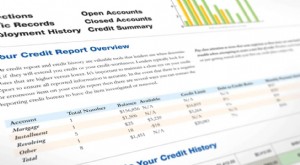 Understanding Credit Accounts & Your Credit Score: A Comprehensive Guide
Your credit score is calculated using a complex algorithm based on several factors. So to improve your credit score, it’s essential to understand how credit bureaus determine it so that you ca...