
Unemployment Insurance: Eligibility, Benefits & Employer Obligations
When a worker has become involuntarily unemployed, she is eligible for unemployment insurance. The coverage insures that an employee who has been laid off by her employer can apply for temporary compensation.
Businesses that hire employees (defined as people who provide services in exchange for wages) are required to carry unemployment insurance. An employee’s pay is never deducted nor taxed for unemployment insurance. These funds are available because companies have to pay taxes on unemployment insurance for all working employees. The amount paid into unemployment insurance is determined by each state. Percentages can be as high as 5 percent of the total payroll. The state and local agencies pay workers a percentage of their income once they become eligible for unemployment benefits.
This insurance has been put into place to help workers by supplying them with a short-term income. The Department of Labor determines the eligibity, but in most cases, workers have been laid off due to no fault of their own. While looking for employment, they may be eligible to receive these short-term unemployment benefits. In order to maintain these benefits, the unemployed worker must comply with all state and local requirements.
-

Longevity Insurance: Secure Your Retirement Income
Longevity insurance is a type of insurance product that you can buy a that will pay if you live to be a certain age. Here are the basics of longevity insurance and how you can use it to your adva
-

Comprehensive Car Insurance: What It Covers & Why You Need It
If you’re shopping for auto insurance, you may be wondering whether you need to add comprehensive insurance to your auto coverage. Or perhaps you’ve recently financed a car and your a
insurance
- Understanding Unemployment Fraud: Risks and Prevention
- Aviation Insurance: Coverage & What It Protects
- Unemployment Income Protection Insurance: A Comprehensive Guide
- Gap Insurance Explained: Protecting Your Car Loan Investment
- Term Life Insurance: A Comprehensive Guide to Protection & Affordability
- Cargo Insurance: Protecting Your Goods During Shipping | [Company Name]
- Recycling Insurance: Protecting Waste Management & Recycling Businesses
- Understanding Multiline Insurance: Benefits & Savings
- Understanding Medicare and Supplemental Insurance
-
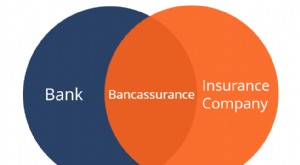 Bancassurance Explained: How Banks and Insurance Partner
Bancassurance refers to an agreement between a bank and an insurance company. In bancassurance, the insurance company can use the bank’s distribution channels to sell products. Banks, in return,...
-
 Understanding Insurance Expense: Definition & Accounting
Insurance expense is the amount that a company pays to get an insurance contract and any additional premium payments. The payment made by the company is listed as an expense for the accounting period....