
Tax Season Health Insurance: Key Tips for July 15th
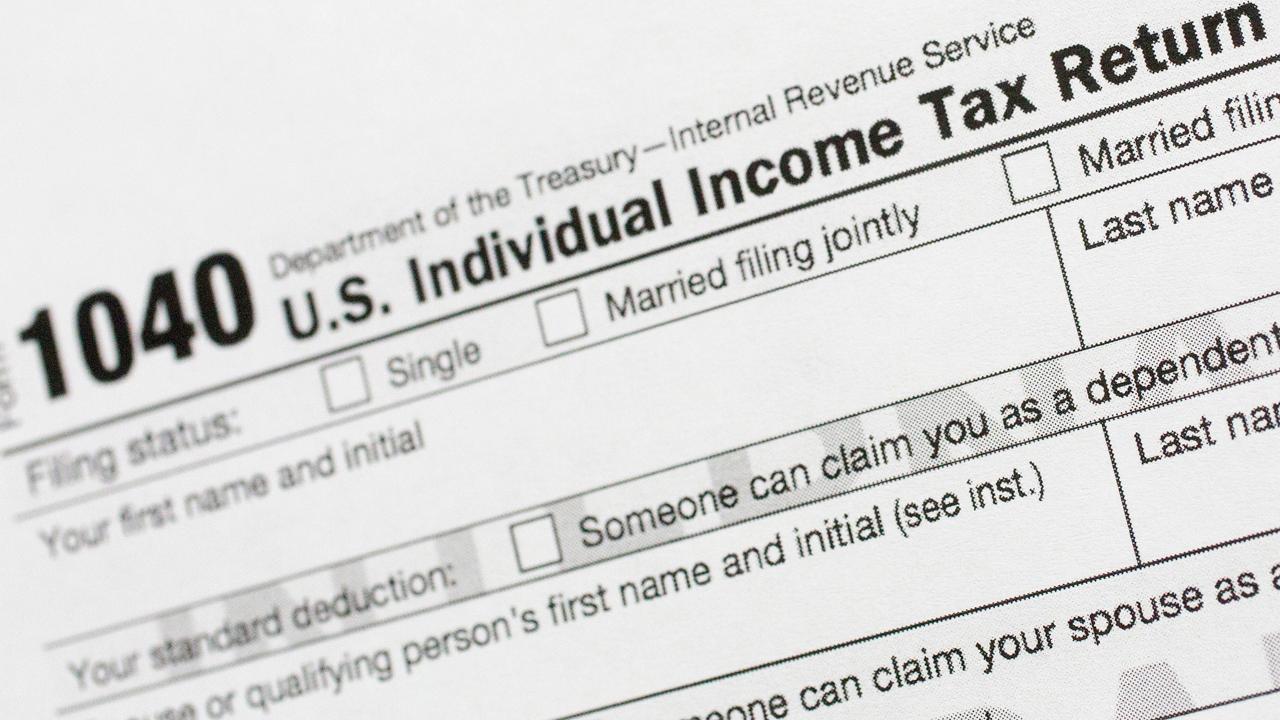
The tax deadline on Wednesday carries a few health insurance-related considerations that could wind up affecting your tax liability.
From determining whether you are eligible for certain deductions to remembering to make last-minute health savings account contributions, there are a number of strategies that could help cut down spending.
Here are some items to keep in mind, aside from filing your return and paying any potential obligations.
CORONAVIRUS JOB CRISIS CAUSES HISTORIC LOSS OF HEALTH INSURANCE
Health Savings Account contribution
Along with the deadline to file your 2019 taxes, the IRS also extended the deadline to contribute to a Health Savings Account until July 15 this year.
The contribution limits for 2020 are $3,550 for individual coverage and $7,100 for family coverage.
An HSA is an account where an individual contributes pre-tax dollars for the explicit purpose of spending those funds on future medical expenses. HSAs can be used to cover everything from dental, vision and prescription costs to Medicare premiums.
HSAs, unlike Flexible Spending Accounts (FSAs), carry over from year to year. Beyond that, once individuals reach retirement age they can access saved funds for other expenses. However, if the funds are withdrawn for anything other than qualified medical purposes, the individual will have to pay regular income tax on withdrawals.
TAX FILING DEADLINE: WHAT TO DO IF YOU CAN’T PAY YOUR BILL
Deductions
Some people may be able to claim certain medical-related deductions on their taxes.
In 2020, the IRS will only allow deductions for eligible medical expenses that exceed 7.5 percent of your adjusted gross income.
Items that may be deductible as qualifying medical expenses include preventative care, surgeries, dental and vision.
Expenses that you are reimbursed for by your insurer cannot be deducted.
GET FOX BUSINESS ON THE GO BY CLICKING HERE
Premium tax credit payments
If you requested – and qualified for – health insurance assistance through the premium tax credit, you need to be aware of how your circumstances have changed throughout the year.
A change in life circumstances – like an increase in income – could mean you owe the IRS repayment of at least some of the money you received.
If you did not report the change and have your payments adjusted appropriately, you will have to reduce your refund or increase the amount of tax you owe by all or a portion of the difference when you file your federal tax return.
If your income is 400 percent or more of the federal poverty line, you will have to pay back all of the excess advance payments.
On the flip side, if your income has decreased you could qualify for more than what you are being paid.
CLICK HERE TO READ MORE ON FOX BUSINESS
-

Schedule C Taxes: Essential Tips for Freelancers & Independent Contractors
Last year, I fulfilled a lifelong dream: getting paid to tell jokes. Every week, I cohost a comedy podcast about food (I’m not going to plug it, but it’s not hard to find). The show is fr
-

2016 Tax Updates: 5 Key Changes You Need to Know
div.cust
insurance
- Secure & Affordable Car Insurance: 3 Tips for Online Shopping
- Insurance Negotiation Strategies: 3 Tips to Lower Your Premiums
- Umbrella Insurance: 4 Steps to Protect Your Assets
- Gap Insurance Explained: Protecting Your Investment After an Accident
- Pet Health Insurance: Is it Right for Your Furry Friend?
- One-Day Event Insurance: Affordable Liability Protection
- Small Business Group Health Insurance: Benefits & Coverage
- Tax Management for Investors: 4 Key Strategies
- Health Insurance Options for the Unemployed: Your Guide
-
Day Trading for Beginners: Essential Strategies & Risks
There are many day trading tips that are perfect for beginners. While day trading is not something that you should attempt to do on a whim, if you are interested in getting deeply involved, you ...
-
 Health Insurance for the Self-Employed: A Comprehensive Guide
The group health insurance rates at my day job increased 33% this year, after rising just over 30% last year. I have a family of three, and the new health insurance rates are now 11% of my salary, whi...