
Q3 2018 Market Review: U.S. Stocks Surge Amid Global Trade Concerns
The third quarter was dominated by headlines surrounding trade conflicts, continued U.S./ international equity market divergence, and rising interest rates.
Amidst a backdrop of strong economic growth and low unemployment, U.S. stocks marched noticeably higher, shrugging off aggressive trade tactics from the Trump administration and rising interest rates.
International stocks underperformed their U.S. counterparts, particularly emerging markets as China slowed and fears of currency contagion weighed on shares.
Valuations are not especially bullish or bearish on their own. This makes it risky for those starting to get greedy and push equity allocations above long-term strategic targets, or bet big on specific stocks. We see less regard for risk overall and a common belief that the biggest tech stocks will deliver consistent double-digit gains with no material down moves. Such an environment can be perilous.
Apple is now worth more than $1 trillion, and Amazon hit the same mark intraday in September. They are now the two largest stocks in the world. Will they remain at the top? History suggests the odds are not in their favor.
On September 28, GICS (a classification system) created a new sector called Communication Services, which replaced the existing Telecommunications Services. As part of the change, certain stocks within the Technology and Consumer Discretionary sectors were reclassified into Communication Services. Personal Capital dashboards and portfolio management use GECS (a similar but distinct system).
Major Capital Markets Storylines – Q3 2018
The major capital markets storylines in Q3 were trade conflict, continued U.S./international divergence, and rising interest rates. U.S. stocks charged ahead (+7.1%, VTI). In doing so, they set a new mark for the longest U.S. bull market in history by some measures. Developed market international stocks also gained, albeit much less impressively (+1.5%, SCHF), while emerging markets continued their slide (-1.7%, VWO). Amid another Fed rate hike, bonds overall were flat (-0.1%, AGG).
Looking Ahead
For the balance of the year, trade, interest rates and earnings will likely be the primary drivers of stock prices. We don’t expect midterm elections to have a big impact. On trade, the IMF estimates existing tariffs will likely reduce global economic growth by 0.5%. That would create a headwind, but we won’t really know how accurate that is for at least a couple more quarters. It is even possible the tariffs are too small to really matter. Ten percent of $250 billion is $25 billion. That is a lot of money but doesn’t come close to moving the needle for markets overall. President Trump could always increase rates on existing tariffs, but there are not many new items left to tax.
Relations between China and the U.S. have soured significantly in recent months, and there is risk that either side may resort to, more dangerous methods of provocation such as product bans. Just as the end of the Cold War provided a boost to growth, a long-term deterioration between the two biggest economic powers would be a headwind.
Apple and Amazon Become Trillion Dollar Companies
With Apple and Amazon presently at the trillion-dollar mark, and Apple now more than 4% of the S&P 500, it feels appropriate to reconsider how the biggest companies typically fare over time. In short, it is tough being at the top. According to Research Affiliates study, over the last 30 years the largest stock in the world outpaced the global stock market only about 5% of the time, delivering an annual shortfall of 10.5%. The study also showed the largest stock in each sector tends to lag, the largest stock in each country tends to lag, and that performance could be improved by simply not owning the largest stock.
There are three main factors at play. First, a big valuation attracts a lot of competition. Second, being big makes it harder to move and innovate. Finally, sheer size creates challenges for growth. So far, the mega-tech players have been able to beat these challenges, or buy them as Facebook did with Instagram. But maintaining this edge becomes increasingly difficult with size.
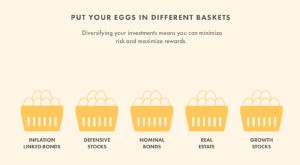
We don’t want to avoid the biggest companies; we simply feel there is great advantage to limiting the weight of any given stock in a portfolio, and more importantly, rebalancing back to a specific target weight. This concept works for asset classes like stocks and bonds, geographies, economic sectors and individual securities.
Personal Capital Milestones
Personal Capital passed $8 billion in assets under management and officially opened a new office in Atlanta. We also launched an upgraded and more personalized and tax- aware version of Retirement planner as well as Retirement Paycheck, which helps clients understand where income will come from in retirement and how to minimize the tax impact.
To learn more, read the full Q3 Market Review & Outlook Report.
-

Top Stocks to Buy in 2021: Expert Market Outlook & Investment Recommendations
Shah GilaniEditors Note: Shah was bullish throughout 2020, and hes expecting this year to be even bigger as the pandemic ends. Hes said its entirely possible for the Dow to hit 35,000 in the next 12
-
Top Dividend Stocks in Canada for Income & Growth
Some stocks pay dividends, which are payments made to shareholders. As an investor, you can take these payments in cash to use as income. Or you can spend your dividends on more stocks and bonds to gr
invest
- Navigating Bear Markets: Strategies for Investing During Downturns
- Q1 2019 Market Review: Analysis & Outlook | Personal Capital
- Q4 2018 Market Review & 2019 Economic Outlook - Analysis & Insights
- July Stock Market Review: Earnings Surge Defies Trade Uncertainty
- Q2 2018 Market Review: Earnings Growth Amid Trade War Concerns
- Weekly Market Update: Tech Leads Gains Amid Geopolitical Shifts
- Q1 2018 Market Review: Volatility Resurfaces & Strategic Adjustments
- Small-Cap vs. Big-Cap Stocks: A Comprehensive Guide
- Understanding Market Cycles: Why Bull Markets Always End
-
 Bull Market Momentum: Global Stocks Rise in Early 2018
Global stocks continued their upward march, ending the week at healthy gains. They paused only briefly Wednesday, which so far has been the only down day in 2018. Much like last year, foreign stocks m...
-
 Understanding the Stock Market: A Beginner's Guide
Traders work the floor of the New York Stock Exchange on June 22, 2011. For a new investor, the stock market can feel a lot like legalized gambling. "Ladies and gentlemen, place your bets...