
IRA Investing: Beyond Savings Accounts & CDs - Secure Your Retirement
Investing is an overwhelming topic when you are starting out. It can be complicated and it can be risky. You want to protect your hard-earned money from losses. Just look at what happened in 2008-2009 when the US stock market crashed and we entered the Great Recession. Big market events like the Great Recession and the DOtcom bubble leave a lasting impact that investors don’t soon forget.
There are also people out there who are looking to separate you from your hard earned money. I can speak from personal experience on this one. The first investment I made on my own didn’t end well. It turns out the investment advisor I went to was more interested in furthering his own gains than giving me good investment advice (he sold me a very expensive fund with a very high front load, or upfront payment). It was an expensive lesson I will never forget!
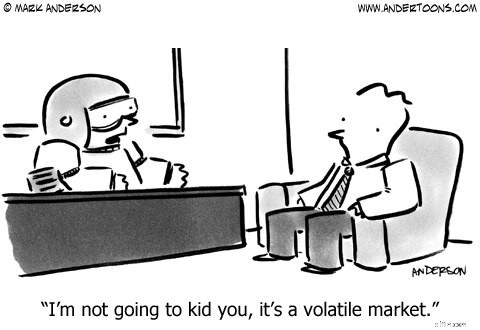
Don’t Let Fear Guide Your Investment Decisions
These opening paragraphs sound scary. I won’t deny that it can be scary to invest in the stock market. But that doesn’t mean you should avoid them either. There are “safe(r) investments” out there. But over the long run, they may not return enough money to outpace inflation.
In other words, if you want to invest for retirement, you will most likely need to dip your toes into something riskier than savings accounts and certificates of deposit (CDs).
We recently received a reader question about safely investing money for retirement:
You Need a Diversified Investment Portfolio – Not Just a Savings Account
Kat, I understand where you are coming from. I am also self-employed, and it can be a challenge to provide for my family today while keeping an eye on the future. But as safe as the principal (the amount you deposit) is in a savings account, it’s actually not a safe way to invest over the long run.
Over time, inflation will likely outpace the amount of interest you earn in a savings account. You will still end up with a larger dollar amount than you started with, but you will have less purchasing power overall.
The only way to outpace inflation is to invest in something with a little more risk than a standard savings account or CD. And that means investing in the stock market, in real estate, or in other areas.
This is where a diversified investment portfolio comes into play. Investing your money in a variety of places can help protect your investments over the long run, as some investments will tend to do better than others at any given time. Keeping your money in different investments also helps mitigate any losses you may have.
Here are a few articles to help you understand some broad investing concepts:
- Introduction to Asset Allocation.
- Beginner’s Investing Strategies.
- Retirement Investing by Age: Twenties, Thirties, Forties, Fifties, Retirement.
These articles will give you a good starting point to understand some of the basics.
There are also some great tools to make asset allocation easier on you, and the best news is that many of them are free. My favorite is Personal Capital. You can sign up for a free account, or read our Personal Capital review to learn more.
When to Invest Retirement Funds in Savings Accounts
Investing some or all of your retirement account into a savings account or CD isn’t necessarily a bad idea some of the time. But it’s rarely a good idea to put all of your retirement savings into savings accounts all of the time, unless you are already retired or absolutely need to be on a fixed income and absolutely cannot afford any losses.
For everyone else, keeping all of your investments in savings accounts is usually only best as a temporary solution during times of transition (moving money between accounts), or when you believe the markets are overvalued. Savings accounts are generally not much of a long-term investment for those who are trying to grow their portfolio enough to outpace inflation. This is why it’s often best to open an IRA with a company that offers a variety of investment options.
How to Get Started in the Stock Market
If you are intimidated by investing, are concerned you might make a mistake, or simply don’t know where to start, then consider starting your investment with a Target Date fund. These investments automatically allocate your money across several different asset classes (types of investments) and automatically balance your holdings as time goes on. This takes the guess-work out of investing and gives you the opportunity to match the stock markets (minus investing fees).
As I cover in my beginners investing guide, these investments aren’t perfect, as some are designed differently or may come with fairly high fees. But they are a great place to start. From there you can take your time learning more about the mechanics of investing and dip your toes into other forms of investing as your knowledge and comfort level grow.

-

Robo-Advisors: Are They Right for Your Investment Goals?
It’s no secret that investing has changed over the last couple of decades. A generation ago, if you wanted to invest, your options were limited to either hiring a professional investment advisor or do
-
Strategic Investing: Setting Goals & Building a Winning Portfolio
Before you can sit down and decide how to invest your money, you first need to set your long-term investment objectives. What will the money be used for? Retirement? A new home? Child’s education? Onc
invest
- Maximize Your Savings: Strategies for Higher Interest & Growth
- 529 Plans vs. Roth IRAs: College Savings Strategies Explained
- Beginner's Guide to Investing: 4 Essential Steps to Get Started
- Find the Right Savings Account: A Comprehensive Guide
- High-Yield Savings Accounts: Smart Use of Your Stimulus Check
- Strategic Savings Withdrawal: When to Access Your Emergency Fund
- Maximize Your Savings: Is a New Account Right for You in 2024?
- Checking vs. Savings Accounts: Which is Right for You?
- Checking vs. Savings Accounts: Which is Right for You?
-
 Mortgage Payoff vs. Investing: Which is Right for You?
One of the most debated topics in personal finance is whether it makes more sense to pay your mortgage off early or invest extra cash. There are advantages and disadvantages to both options, and at th...
-
Choosing the Right Bank: Is Yours Meeting Your Needs?
Consider your favorite technological innovation and how it fits into the routine of life. No matter how excited you were when you first got the self-parallel-parking car, watched your fitness routine ...