
Options Trading Basics: A Beginner's Guide to Calls & Puts
In order to understand the basics of how to trade options, you must understand the concept of an option contract, the basic mechanics of a call option and a put option, and when each type is used. While grasping these concepts will only provide the most rudimentary understanding of options trading, these concepts both form the baseline of a deeper knowledge and provide sufficient detail to begin examining the market. It is best to consult with a professional before risking any money.
Call Options
The purchase of a call options is the most basic strategy in options trading. A call gives the buyer the right, but not the obligation, to purchase 100 shares of the underlying stock at the strike price at any time until expiration. This is considered a bullish strategy because the value of the option will increase as the price of the underlying security rises. The maximum gain on a call option is unlimited.
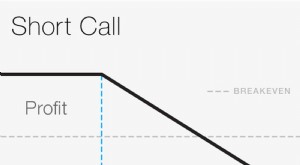
Options are derivative instruments and, therefore, for every option that is purchased there must be a counter party to write or sell the contract. Selling call options is a bearish strategy because the maximum gain occurs for the seller if the price of the underlying security decreases and the contract expires worthless. In such a case, the seller’s gain is the amount for which the contract was sold, also called the premium.
The maximum loss on a call selling strategy is dependent of whether the call is “covered” or “naked.” When a call is exercised, the seller of the contract must deliver 100 shares of the underlying stock to the buyer who is exercising his option. If the call is covered, the seller has already purchased the stock and simply delivers the 100 shares from his inventory.
Put Options
The mechanics of put options are very similar to those of call options, but put options give the buyer the right to sell, rather than buy, a given stock at a given price at any time prior to expiration. Selling a put option is bearish because as the price of the underlying security falls, the price of the option will increase. The risk in buying a put is the premium paid for the option, while the maximum gain is unlimited. Selling, or writing puts is, just as for call options, the opposite. The maximum gain for a put seller is the premium collected on the sale, while the risk is unlimited. If you put these two types of trades together, you will be able to begin trading options and continue to learn.
-
Understanding Short Selling: A Guide to Put & Call Options
The term “short” has been given a bad rap over the years. And for good reason. Without even knowing what the term means, the average investor listening to pundits and naysayers would have you believe
-

Metal Trading: A Comprehensive Guide to Buying, Selling & Investing
Trading is a method that is channelised by a system helping necessary items or products to reach the required people. Trading metals is one such practice that creates a market for buying, selling, b
Option
- Binary Options Trading: A Beginner's Guide to Risk & Reward
- Options Trading: A Beginner's Guide to Buying & Selling
- Covered Calls: A Beginner's Guide to Generating Income
- Options Trading for Beginners: A Step-by-Step Guide to Your First Trade
- Option Trading on WeBull: A Beginner's Guide
- Understanding Call Options: A Beginner's Guide to Buying & Selling
- Options Hedging: A Beginner's Guide to Risk Management
- Call Options: Understanding the Fundamentals and Bullish Strategies
- Options Trading: A Beginner's Guide to Predicting Stock Movements
-
 Forex Options Trading: A Comprehensive Guide for Retail Traders
Options are available for trading in almost every type of investment that trades in a market. Most investors are familiar with stock or equity options, however, there are options available to the re...
-
 Beginner's Guide to Stock Trading: A Step-by-Step Approach
Trading stocks may sound glamorous, but behind the scenes it’s actually a lot of hard work and can involve extensive research. While it’s not always easy, new investors can take a numbe...