
Maximize Savings: A Strategic Multiple Account Approach
Americans are not exactly world-class savers. According to an Associated Press survey, two-thirds of U.S. adults would have difficulty coming up with $1,000 to cover an emergency.
If that's you, a great first step would be opening a dedicated savings account especially earmarked for emergencies. That's because mingled money leaks. When cash isn't in a separate, dedicated savings account, it tends to get spent.
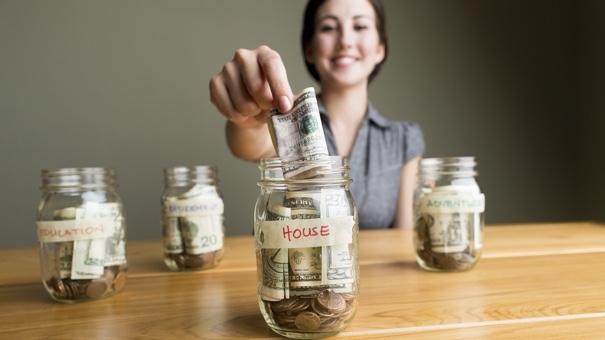
And if you really want to take your savings to the next level, open three accounts. At first, that may sound crazy. But there are three distinct uses for savings, and you'll find it more effective to build savings if you use a dedicated account for each one. (See also: Best Online Savings Accounts)
1. Emergencies
In life, stuff happens. Unexpected stuff. Expensive stuff. For some of that, there's insurance, but for everything else, you need money in an emergency fund. Aim for building a fund that contains three to six months' worth of necessary living expenses.
What counts as "necessary?" Well, imagine losing your job tomorrow. Your thoughts probably wouldn't run toward planning your next vacation. They would be focused on the essentials, such as your mortgage or rent payment, food, utilities, gasoline, and insurance. Add up how much all of your necessary expenses would cost for one month. Then multiply that figure by three and six. That's the range you're shooting for.
The low end might be sufficient if you have relatively few movable breaking parts in your life. For example, you're single, rent an apartment, and have a fairly stable job — or at least in-demand job skills.
If you're married, have kids, and own a home, you have much more at stake. In that situation, aim for six months' worth of essential living expenses.
If you don't have a fully stocked emergency fund, aim for putting 10%–15% of your monthly gross income into savings each month via automatic transfer from your checking account. You'll be surprised at how quickly this adds up.
2. Big-Ticket Items
How old is your home's furnace, air conditioner, and roof? When are you likely to need to replace your car? What other expensive items will you need — or do you want — to buy in the next five to 10 years? It would be ideal if you could pay cash, and that calls for a big-ticket item fund. Here's how to build it.
Once your emergency fund is built, redirect most of the money you had been depositing in emergency savings toward investing for your retirement or your kids' college, instead, and then redirect any remaining funds toward a big-ticket item savings account.
For example, if you were putting 10% into savings, redirect 8% toward investing and 2% toward this second savings account. If you had been saving 15%, redirect 10% toward investing and 5% toward big-ticket items.
3. Periodic Bills and Expenses
Some bills and expenses need to be paid every month, such as your mortgage or rent, utilities, and groceries. Others need to be paid at some point each year, but not every month. Examples include a semi-annual auto insurance premium, an annual homeowner's or life insurance premium, vacations, and end-of-year holiday gifts.
For all such periodic bills and expenses, make sure one-twelfth of the total annual amount is in your monthly budget. Transfer that amount to a dedicated savings account each month. When those expenses need to be paid, the money will be available.
Practical Applications
In our household, we use an online bank for our savings accounts. It pays a decent interest rate, but what I really like about it is it allows account holders to maintain multiple accounts and to even give them unique names.
When I login, I can see the balance in each of nine savings accounts: our emergency fund, two big-ticket item funds (one for the replacement of our furnace and air conditioner, which are 17 years old, and a second one for a trip to Paris my wife and I want to take in three years), and six periodic expense accounts (our regular vacations account, four different insurance policy accounts, and our Christmas gifts account).
They all add up to one very big benefit: peace of mind.
Remember, mingled money leaks. To build savings for emergencies, big-ticket purchases, and periodic bills and expenses, use multiple savings accounts.
Do you have more than one savings account? How do you manage them?
-
Chase Savings Accounts: Rates, Reviews & Alternatives
Chase offers several savings accounts that pair with a highly regarded mobile banking app to help you achieve your financial goals. However, these accounts do little to help you grow your savings; ev
-
Citibank savings account rates
Citibank is the retail banking group of Citigroup and it offers savings accounts.You can find a top-tier rate offered by the big bank on its online-only savings account in select markets; however, no
Personal finance
- Online Purchases with Savings Accounts: What You Need to Know
- Using Your Health Savings Account for Braces: A Comprehensive Guide
- Savings Accounts: Your Guide to Secure Savings & Growth
- Savings Accounts: A Beginner's Guide to Safe & Simple Savings
- Secure Your Financial Future: Smart Investing Strategies
- Boost Your Savings: A Guide to Remote Part-Time Work
- Personal Capital Introduces Savings Account with Competitive 2.3% APY
- Maximize Your Savings: The Benefits of Multiple Savings Accounts
- Maximize Your Savings: Understanding High-Yield Savings Accounts
-
 Checking vs. Savings Accounts: Which is Right for You?
When it comes to managing money, you may be wondering whether a checking account or a savings account is better equipped to meet your needs. Surprisingly, 25% of American households are either under...
-
U.S. Bank Savings Account Review: Rates & APY (2024)
GaudiLab/Shutterstock U.S. Bank offers one standard savings account that earns the same APY, regardless of your balance. While the bank is known for innovating, U.S. Bank’s savings account of...