
Credit Card Debt Payoff: Avoid Common Mistakes & Improve Your Score
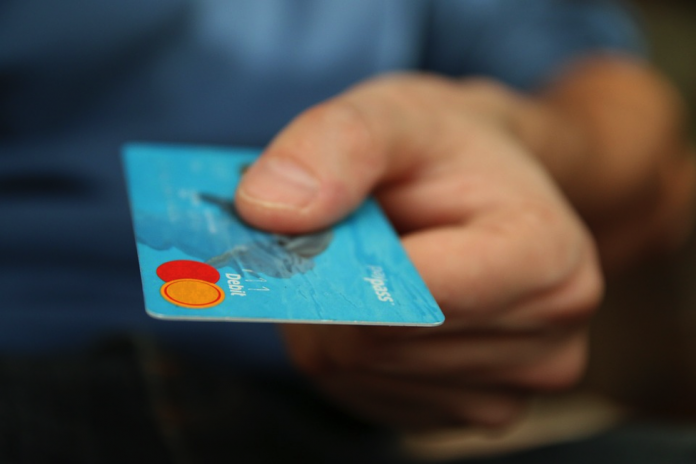
Paying your debt is one of the best ways to improve your credit score’s health. Once you get your debts paid, you won’t have to worry about the scheduled payments, plus the interest along with it. Paying down your debts also may also boost your credit record and makes it easier to apply for another loan program.
However, paying off debt is not an easy process. You could be making mistakes that affect your credit record. There are behaviors that make paying debt a difficult affair for some borrowers.
No Concrete Plan
Religiously paying off your debt is not enough to improve your financial health. Such an endeavor is more likely to be successful when you have clear goals and specific plans on how you deal with this challenge.
To establish a concrete plan, you have to consider the following:
Choose Which Debt You Want to Pay First
For many, it is impossible to pay off all their debts at once, especially if they are under a tight budget. Create a schedule and prioritize which debt gets paid first. Base this decision on your loan’s payment deadlines to avoid penalties and keep your budget stable. It’s also wise to consolidate debt credit card before proceeding with any arrangements.
How Much Money You Can Use On Payments
If you want to make significant progress, you need to pay above the minimum to become debt-free. Set up a limit on your expenses so you can distribute some of your cash for debt repayment.
How Much You Owe
Not knowing your total debt would be harder for you when repaying it. Before setting up a plan, it is best to gather all of your debts and statements, so you can assess how you should best pay them.
Spending Beyond Your Means
People tend to pay the bare minimum with their debts. However,this makes it harder to pay them off, which could be discouraging in the long run.
One suggestion is to cut your expenses to a minimum and spend your extra cash on debts. This way, your debts can be paid much faster. You just have to hold a little longer on leisures until the debt is settled. This could require you spend less on leisure activities and more frivolous expenses until your debts are settled. Another approach is getting a credit card consolidation loan.
Credit card consolidation loans involve taking out a new loan to pay out multiple debts. If you choose to convert your debts into one low-interest loan, you can easily track your progress and deal with fewer lenders.
No Emergency Funds
When paying debt, we usually put in cash as much as possible and neglect our emergency funds. When this happens, you will be risking yourself into more debt.
This decision would most likely hurt you more than it can help you. The purpose of emergency funds is to cover up unexpected payments, such as accidents and repairs.
Ignoring Your Debt
Ignoring your debt is merely delaying the inevitable and digging a deeper hole in into financial debt. While having loans may be stressful for us, awareness is the first step to getting out of your financial burden.
Additionally, missing out on a payment or two can lead to your bills piling up and increasing, due to interests and additional charges under the agreement. If you are not prepared, you’ll end up applying for another loan and restart the debt cycle all over again.
Avoid this behavior by maintaining a small amount of cash, just enough for emergencies.
Using Credit Cards On Regular Transactions
Unless you follow a strict monthly budget, using credit cards for minor purchases could potentially lead you to debt. Hence, it is advisable to keep groceries and utility bills away from your credit card, so you can take control of the way you spend your money.
If possible, use credit cards in emergencies and purchases that you can pay off under a month so your debt won’t pile up, allowing you to only pay for a few items moving forward.
Understanding Why You Pay Your Debts
Paying your debt takes diligence and sacrifice. Regardless of how much money you earn, you can never pay off a debt if you are not motivated in the first place.
At some point in the debt repayment process, you might feel unmotivated and tired after giving up so much to constantly pay on your debts. When this happens, try to rationalize and find reasons why you are so eager to pay it off in the first place. Think about the benefits you’ll gain and the relief you’ll feel when you don’t have to worry about your debts.
Having a clear understanding of your eagerness to pay debts will motivate you when times get hard, and things get slightly out of your control.
Takeaway
Cleaning up debt takes a significant amount of self-control and patience, but the behaviors mentioned above are not difficult to change. Although it can be a bit challenging, as long as you focus on your goals, you’ll be able to pay your debt in no time. All you have to do is to set goals and be responsible when it comes to payment.


Personal finance
- Retirement Debt Solutions: Strategies for Seniors to Conquer Credit Card Debt
- Strategies to Conquer High-Interest Credit Card Debt
- Home Equity Loan vs. Credit Card Debt: A Smart Debt Solution?
- Conquer Debt: 7 Common Mistakes to Avoid on Your Path to Financial Freedom
- Debt Payoff Mistakes: Avoid These Costly Errors
- Strategies for Paying Off High-Interest Credit Card Debt
- Strategies to Conquer $15,000 Credit Card Debt
- 401(k) Loans & Credit Card Debt: Risks & Alternatives
- Credit Card Debt Relief: Refinancing vs. Debt Consolidation - Which is Right for You?
-
 Personal Loans for Credit Card Debt: A Smart Strategy?
Many or all of the products here are from our partners that pay us a commission. It’s how we make money. But our editorial integrity ensures our experts’ opi...
-
 Debt Payoff Strategy: Improve Your Credit Score Faster
It’s no secret that excessive debt often contributes to lower credit score. If you are working on improving your credit score you might have several debts that are in repayment, whether they b...