
Embrace Failure: How to Pivot and Achieve Your Goals
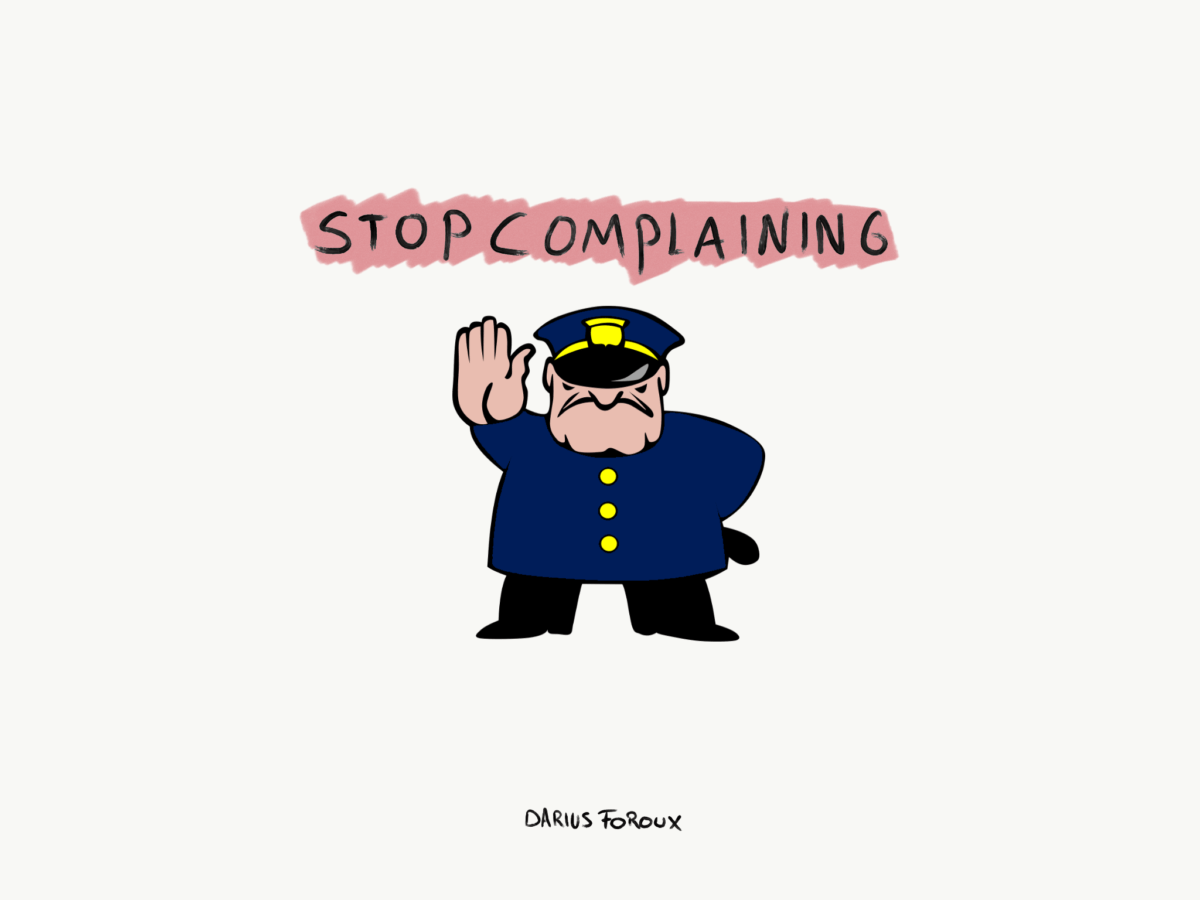
Do you have plans, goals, ideals, or outcomes that you want to achieve? And do you get frustrated when things don’t go according to plan?
If so, I want to share a simple, yet powerful idea with you in this article.
I learned this from Jocko Willink’s book Discipline Equals Freedom. The idea is very simple. Jocko believes that complaining when things go wrong is useless.
He says:
I’m certain that if you’re reading this article, you know complaining is a bad thing. It’s one of the first things you read when you get into personal development. There’s nothing revolutionary about that.
So let me explain why I’m sharing Jocko’s approach here.
Instead of giving people the advice of, “don’t complain,” Jocko realizes that we need more than that to truly change our behavior.
I don’t know if you’ve tried to avoid complaining before. But every time I tried it in the past, I didn’t get very far. I realized that you can’t just stop in a day.
Complaining is a habit. And if you want to stop complaining, you need to approach it as changing a habit.
So if you get discouraged when things go bad, or keep complaining about all the things that go wrong, give this method a go. It goes like this.
Every time something goes wrong, focus on the good thing about the situation.
You see, Jocko doesn’t explicitly say to not complain. Instead, he says that something good could emerge out of something bad.
But it requires you to focus on the good first. How do you do that? By saying GOOD every time something goes wrong.
Jocko explains in Discipline Equals Freedom:
You probably get the idea. There’s an advantage to every disadvantage.
If you’re thinking about how you can change your mindset, this is the perfect habit to adopt.
Practice the small stuff. Stress the big stuff.
A few years ago, I wanted to stop complaining once and for all. Like all the advice says, I started small. And that went really well.
It’s easy not to sweat the small stuff, right? Who cares that it’s raining today? Or that your coffee mug broke? You’ll buy a new one! Everyone can do that minor stuff.
But the problem is that we often forget about the whole “I’m never going to complain again” attitude when big things happen. And that’s precisely the problem!
When you want to live a certain lifestyle, you can’t only do it when you feel like it.
That’s why I’m always more interested in the big stuff. How do you hold up when big setbacks happen? Do you still complain? Or have you trained yourself enough to always focus on the good?
For me, it took about two years to get really good at this. When something went wrong in my personal life or business, I would still complain about it. Mostly to myself.
But now, when things go wrong, I see it as a trigger for doing something else. And the way you can form that trigger is the way Jocko formulates it above.
Train yourself to think:
When X happens (X being a bad thing), do Y (Y being a good/useful/positive action).
This is not a Nobel prize-winning theory or anything. And I don’t want to pretend that it’s the best thing since the invention of the wheel.
I simply found this exercise very beneficial. It just shows that even though you can read much about a topic, there is always something to learn.
I may have read dozens of books about mindset, but none of the advice worked until I found this. Again, that’s a mindset thing.
You keep on going until you find something that truly works. When you do that, you don’t even have time to complain.
Want to hear more thoughts on this topic? Listen to my latest podcast episode called How To Train Yourself To Stop Complaining.

Personal finance
- A History of Online Banking: From Phone to Mobile
- Umbrella Insurance: When Is It Necessary?
- All-Cash Diet: Benefits, Risks & Is It Right for You?
- Your Complete Guide to Buying a Car in 2024
- Navigating Adversity: Finding Strength in Difficult Times
- Mortgage Refinance: Is It Right for You? | [Your Brand]
- Profiting from Market Downturns: A Guide to Contrarian Investing
- College Application Success: 8 Key Factors to Consider
- Navigating Friend Loans: How to Request and Collect Money Owed
-
 Debt After Death: What Happens to Your Debts?
Typically when someone dies, their personal debt does not get passed on to surviving family members. Typically when someone dies, their personal debt does not get passed on to surviving family...
-
 Understanding Power of Attorney: Types, Benefits & When to Use
A power of attorney, often known as a POA, is a legal document that allows someone else to make legal, medical or financial decisions on your behalf. Because ...