
These Six Questions Will Improve Your Decisions
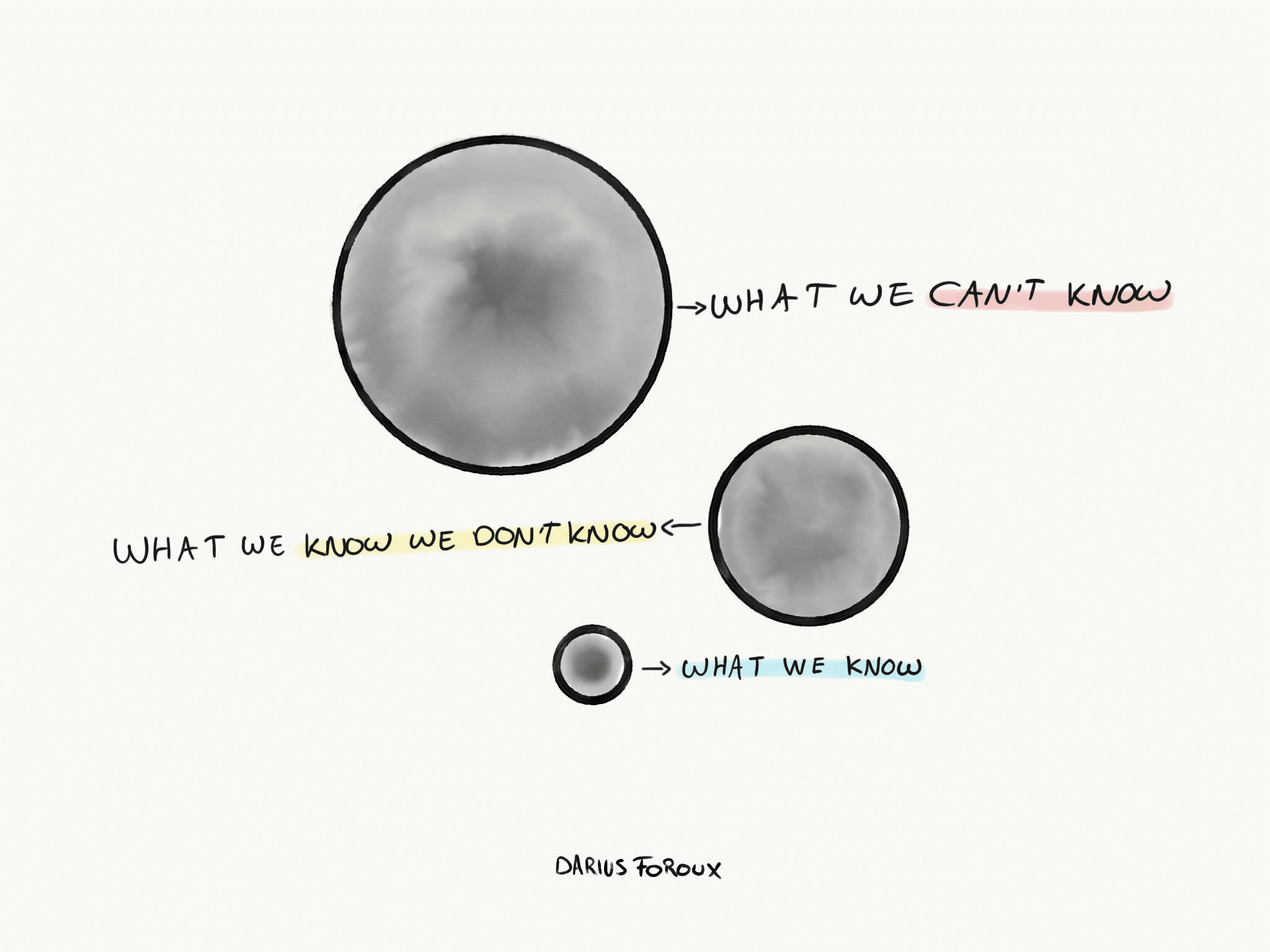
To improve your decisions, you want to look at your process for making a decision. Most people assume that good decision making is a matter of picking a course of action that leads to the desired outcome.
That’s a misconception. Decision making refers to your cognitive process. It’s about how you end up with your decision, not what the decision leads to.
Good decision making can lead to bad outcomes. The opposite is also true. Bad decision making doesn’t mean you always get bad results. For every decision, there are external factors that influence your outcomes.
So how can we improve our decisions? By focusing on the process, not the outcome. The best method for improving your decision making process is to ask yourself critical questions. It’s not enough to ask obvious questions like, “What are my alternatives? What has worked for others? What are the consequences?”
While it’s good to ask yourself those questions, it will not change your decision making process. Those questions only look at what you already know.
I found a list of six thought-provoking questions in Annie Duke’s book, Thinking In Bets. Notice what the theme is.
- Why might my belief not be true?
- What other evidence might be out there bearing on my belief?
- Are there similar areas I can look toward to gauge whether similar beliefs to mine are true?
- What sources of information could I have missed or minimized on the way to reaching my belief?
- What are the reasons someone else could have a different belief, what’s their support, and why might they be right instead of me?
- What other perspectives are there as to why things turned out the way they did?
Think About What You Can’t Know
The reason I like these questions from Annie Duke is because they force you to think about what you can’t know. In my experience, that’s what drastically improves your decisions.
We all know the feeling of talking to an experienced person who shares some insights with us, and we go, “Aha! I didn’t realize that.” That’s what you want. Duke writes the following in Thinking In Bets:
This is the reason I often turn to my friends, mentors, communities, books, courses, and podcasts for insights that come outside of myself. I want to learn about things I can’t know.
It’s impossible to know and see everything. We haven’t had the experiences of other people. Most of us keep making the same decisions because we never get an outside point of view. We don’t make an effort to improve our decisions.
Open To Beliefs—Not Gullible
To improve your decisions, ask yourself questions that challenge your existing beliefs. I highly recommend saving those six questions in your note-taking app. I’ve done it and when I face a decision, I often go through these questions and my other notes on decision making.
As you become open to other beliefs and perspectives, keep in mind that other people also don’t have all the answers. Adopt the mindset of a skeptic. Be open to other beliefs, but don’t believe everything instantly.
Keep looking for evidence and other perspectives. When you have collected enough information, make your decisions. Sometimes people assume you have to listen to everything “experts” have to say. This will only make us gullible. If there’s one thing that harms our decisions, it’s that.
We should always make our own decisions after going through a process. We should avoid making rash decisions based on the opinions of others.
Common Decision Making Pitfalls
Here’s what you should watch for when you’re making decisions (no matter how big or small):
- Analysis paralysis—This is very common. At some point you get stuck in the process and you can’t make a decision. You go over the process over and over again. This is a big risk. You can NEVER have 100% of the information you need. It also helps that your decisions are not about the outcomes. Don’t let your fear of making the “right” decision paralyze you. There’s no right or wrong outcome. Just outcomes. Deal with it later.
- Extinction by instinct—The opposite of the above. It’s the belief that instincts are a useful tool in decision making. This leads to rash decisions.
- Information overload—This is when you ask too many people for their opinion or insights. Stick to trustworthy sources and keep them at a minimum. More information is not better. Reliable information is.
I’m not a fan of complicated theoretical decision-making frameworks to improve your decisions. Those types of formal frameworks might work for large institutions, but for you and me, it’s just not useful. Who makes time to read an 800-page textbook on statistical decision theory? And if you do study it, you probably can’t remember all of that theory. Instead, work with what you have.
When you face a problem, simply look at your options, collect some information, think about what you can’t know (the six questions at the top), evaluate everything, and pull the trigger. Done. Then, move on to the next one.


Personal finance
- Understanding Initial Margin: Impact on Stock Trading Decisions
- Compound Interest Explained: Visual Charts to Understand Wealth Growth
- Improve Your Credit Score: 5 Proven Tips for a Better Financial Future
- Accelerate Debt Repayment: Proven Strategies & Tips
- Understanding the 5 Love Languages for a Stronger Marriage
- Unlock Your Potential: The Power of a Daily Writing Habit
- Boost Your Credit Score: Tips & Understanding
- Maintain Good Credit: Tips & Strategies for Economic Uncertainty
- Boost Your Credit Score: 11 Proven Steps to Financial Freedom
-
 Effective Learning Strategies: 5 Practical Tips for Faster Skill Acquisition
Accelerated learning is something we should all strive for. But too much advice on the internet promises the impossible:“1000X your personal growth!”“Change your life in 10 seconds!”“Learn EVERYTHING ...
-
 Protect Your Friendship: 4 Questions to Ask Before Lending Money
Lending money to a friend could back...