
Supply Chain Improvement: What It Means for Consumer Prices
Many or all of the products here are from our partners that pay us a commission. It’s how we make money. But our editorial integrity ensures our experts’ opinions aren’t influenced by compensation. Terms may apply to offers listed on this page.
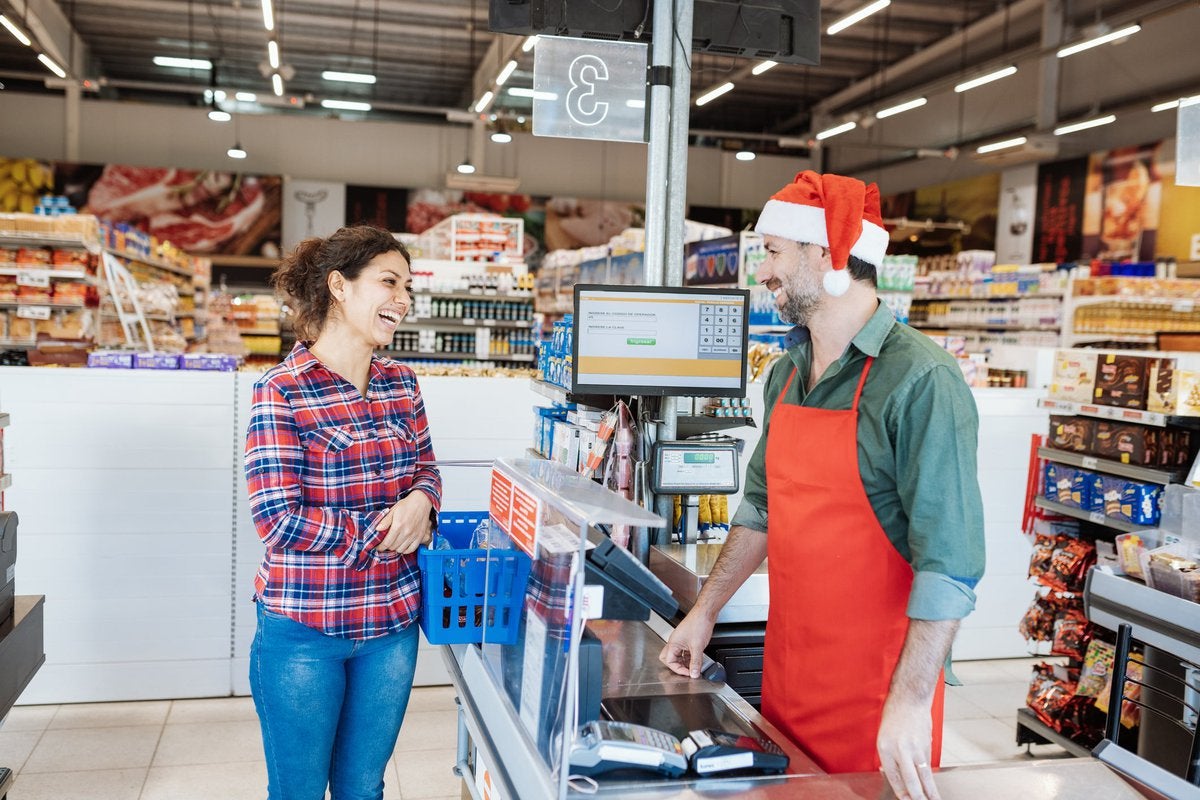
Finally, a bit of good news.
Key points
- Supply chain hold-ups have been plaguing consumers since summertime.
- New reports indicate that those bottlenecks may finally be improving.
There's a reason the cost of consumer goods has soared since the summer months. Supply chain issues have delayed the distribution of many common products and commodities. At the same time, the U.S. economy has improved. With fewer people being out of work, American consumers have had more money to spend, and the demand for common goods has risen.
Because the demand for these goods has outpaced supply, prices have risen -- that's Economics 101 for you. But that hasn't made things easier on consumers, especially those living paycheck to paycheck without any money in savings to fall back on.
In October, the Consumer Price Index, which measures fluctuations in the cost of consumer goods, was up 6.2% from the previous year. That's a sizable jump.
Will consumer prices start to come down anytime soon?
Some good news emerged on the supply chain front recently. It seems as though some of the bottlenecks that have been hurting consumers are finally easing. U.S. port congestion isn't as bad as it was weeks or months ago, helped in part by turning a number of key ports into 24-hour operations. Delivery times are improving. That could, in the coming weeks, lead to a downtick in consumer prices.
It's too soon to start celebrating the end of rampant inflation. While supply chain issues may be improving, they're not gone. The U.S. is still deep in the throes of a truck driver shortage, and computer chips are still in short supply. That alone is impacting the production of everything from home electronics to vehicles.
In fact, despite the aforementioned improvements, it could be months until supply chains catch up to demand and prices really start to come down. And that's something consumers should be aware of.
Riding out the inflation storm
We could see recent price hikes reverse during the first half of 2022 if supply chains really pick up the pace. But that means consumers could still be looking at months of sky-high prices.
Those without money in savings to fall back on may need to spend judiciously in the coming months to avoid landing in debt. That could mean cutting back on leisure, or even making adjustments to essential expenses, like downsizing to save money on rent.
Another option for cash-strapped consumers is to pick up a second job. These days, there are a host of lucrative side hustles to choose from, and a temporary income boost could be just the thing that helps workers steer clear of debt until prices start to come down.
Many businesses these days are desperate to hire, so finding part-time shifts may be an easier prospect than it was before. Plus, there are plenty of side gigs that can be done independently, like at-home data entry or driving for a ride-hailing company, so that scheduling constraints can be worked around.
The good news is that rampant inflation won't last forever, and it may ease up relatively early on in 2022. But consumers will need to take strategic steps to manage their money until that actually happens.
Top credit card wipes out interest into 2023
If you have credit card debt, transferring it to this top balance transfer card secures you a 0% intro APR into 2023! Plus, you’ll pay no annual fee. Those are just a few reasons why our experts rate this card as a top pick to help get control of your debt. Read The Ascent's full review for free and apply in just 2 minutes.
-

Child Tax Credit at Risk: Manchin's Opposition and What It Means for Families
This latest development is bad news
-

Best Volusion Alternatives: Ecommerce Platforms for Your Business
Is it time to find an alternative to Volusion? If you’re asking yourself that question, you’ve come to the right place. Whether you’re already using Volusion and ready to replatform or you’re th
Personal finance
- The Impact of Home Size on Well-being: A Research-Backed Guide
- Understanding 401(k) Vesting: A Comprehensive Guide
- Holiday Shopping Costs: How Supply Chain Disruptions Impact Your Budget
- How Inflation Impacts Savings: Practical Tips for Consumers
- Choosing the Right Broker for Your Stimulus Check Investments
- Unemployment Claims Fall to Historic Lows: Economic Implications & Stimulus Outlook
- Understanding APY: How Annual Percentage Yield Impacts Your Savings
- Compound Interest: How It Grows Your Savings - A Beginner's Guide
- Federal Reserve Interest Rate Hikes: Impact on Your Finances
-
 Cardano Smart Contracts Launch: What Investors Need to Know
Many or all of the products here are from our partners that pay us a commission. It’s how we make money. But our editorial integrity ensures our experts’ opi...
-
Navigating Holiday Shipping Disruptions: A Guide to Supply Chain Challenges
Christmas 2020 hardly feels like it even existed – and some just wish to forget it entirely. Last year, all around the world, the COVID-19 pandemic canceled h...