Unemployment Benefits Ending: States Scaling Back Enhanced Support
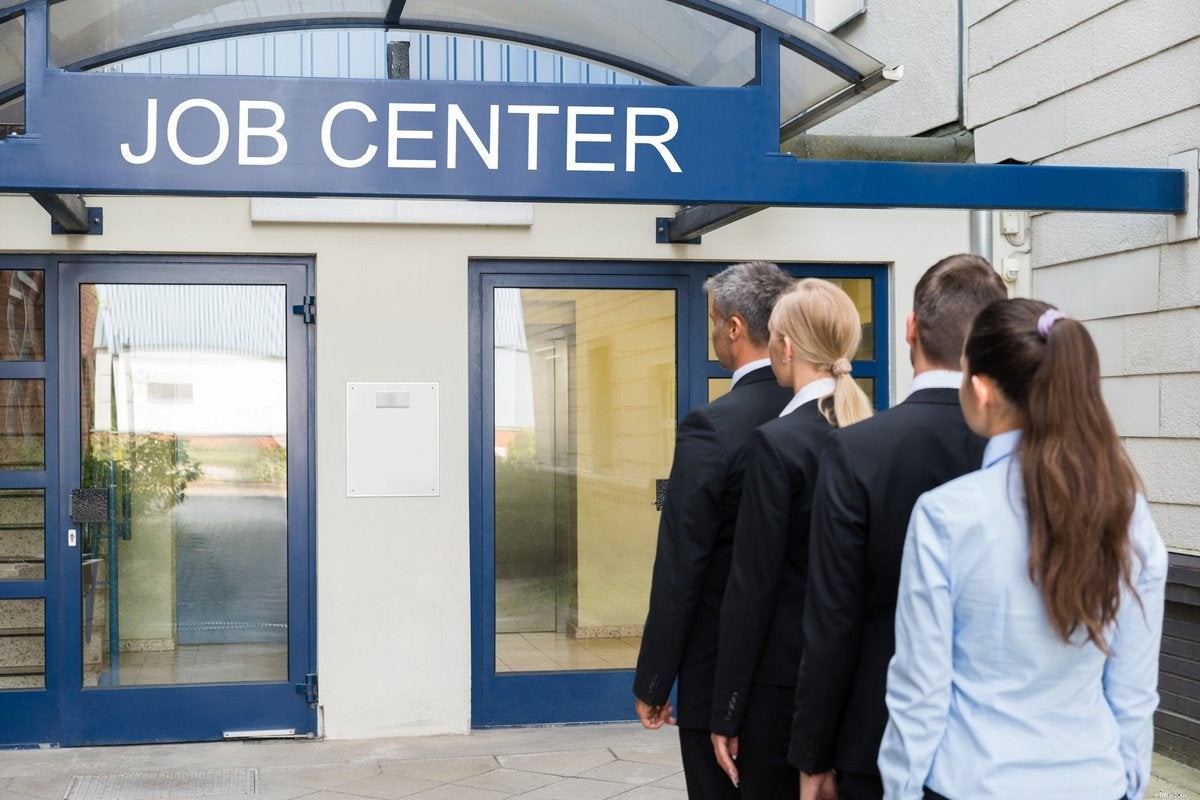
The list of states getting rid of enhanced unemployment benefits is expanding, leaving more workers in the lurch.
Though the unemployment rate has improved significantly since peaking at a record high in April of 2020, it's still well above pre-pandemic levels. In fact, many jobless workers are struggling to find full-time positions. And in the absence of having savings to fall back on, they're relying on their unemployment benefits to stay afloat.
In March of 2021, President Biden signed the $1.9 trillion American Rescue Plan into law, and with it came a $300 weekly boost to unemployment benefits that's set to remain in effect until early September. There's just one problem -- states have the ability to individually cut off those boosted benefits.
And now, a number of states are doing just that.
More jobless workers stand to lose out
Last week, Montana announced that it would be cutting off boosted unemployment benefits in June, rather than September, due to a statewide labor shortage. Since then, at least 10 other states have announced that they too will cut off boosted unemployment ahead of schedule, leaving jobless workers without the $300 weekly enhancement that's been helping many people pay the bills. Worse yet, self-employed and gig workers who are getting unemployment may lose their benefits outright, since they're normally not entitled to unemployment and are now only eligible due to a special provision that the American Rescue Plan extended.
The list of states that will be cutting off boosted unemployment reads as follows, for now:
- Alabama
- Arkansas
- Idaho
- Iowa
- Mississippi
- Missouri
- Montana
- North Dakota
- South Carolina
- Tennessee
- Wyoming
Compounding the issue is the fact that this list could grow, leaving even more jobless people to scramble to find work or otherwise risk going into debt.
But full-time jobs aren't the only thing workers will have to scramble for. Many will also need to secure childcare -- a challenging thing to do at a time when many school districts have yet to return to a full-time, in-person learning schedule. In fact, for lower-income workers, the cost of full-time childcare can be high enough to wipe out their wages, so in places where school's not in session in the traditional sense, jobless workers getting their boosted benefits pulled may be devastatingly out of luck.
The states above say they're ending boosted unemployment early to avoid widespread labor shortages. And it is true that some businesses are struggling to hire workers. But whether getting rid of boosted unemployment ahead of schedule solves that problem is yet to be determined.
Another factor that may be getting overlooked is that some jobless workers may live with vulnerable individuals who have not yet been vaccinated against COVID-19. Or, some workers may not have yet managed to secure vaccines themselves. Critics of boosted unemployment claim it takes away people's incentive to go out and find work, but there's a lot more to the story than that. Right now, circumstances are making it difficult for a lot of people to go back to work, and taking money away from them could have serious consequences -- evictions, foreclosures, and piles of debt that have the potential to ruin a lot of people's personal finances.


Personal finance
- Unemployment Boost Ending Early: 5 States Cutting Enhanced Benefits
- Unemployment Benefits: 16 States Ending Boosted Payments – What You Need to Know
- Georgia Joins States Ending Enhanced Unemployment Benefits Early
- State Unemployment Benefits Ending Early: What It Means for Job Seekers
- Unemployment Benefits Ending Soon: 8 States Affected
- Unemployment Benefits Ending: 10 States to Reduce Weekly Payouts on June 26
- Unemployment Declines in States Ending Enhanced COVID-19 Benefits
- South Carolina Sued Over Early End to Enhanced Unemployment Benefits
- Unemployment Benefit Expiration: $53 Billion Opportunity for Infrastructure Investment