Maximize Your Tax Refund: Build a Robust Emergency Fund
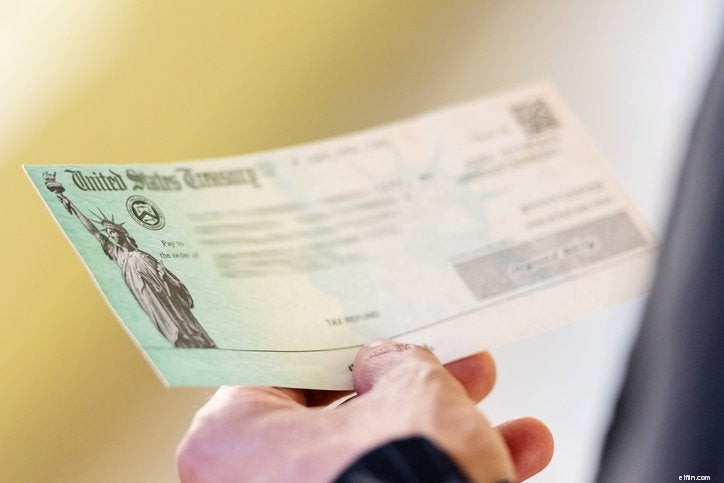
Your tax refund could help save you from financial disaster in the long term.
According to The Ascent's research, the average tax refund in 2018 was $2,881. With the IRS extending the tax deadline this year, you may not have filed your taxes and claimed your refund yet. Or, if you have, you may still be holding on to the cash.
Whether your tax refund is more or less than the average, you'll want to be smart about what to do with it. If you don't already have enough in savings to cover three to six months of living expenses, you should consider putting your tax refund into an emergency fund. Here's why.
1. Emergencies happen
If 2020 taught us anything, it's that life can change dramatically and without warning. And while pandemics won't come along and destroy the economy very often (hopefully), plenty of other things can and will go wrong over the course of everyday life.
In fact, for most people, the question isn't whether an expensive problem will force you to unexpectedly spend money -- but when. You need to be prepared for these inevitable problems, and an emergency fund is a crucial part of doing that.
An emergency savings account can help you cope financially with most disasters. But even if you can't save up several months of expenses immediately, putting away your tax refund can help you be ready to deal with most minor emergencies (and even some major ones).
2. You'll have more peace of mind
When you don't have a big emergency fund, you're in a much more precarious position -- and chances are that you know that. Living paycheck to paycheck can leave you constantly worried about unexpected expenses that you might have to scramble to pay for.
On the other hand, if you have plenty of emergency savings in the bank, you won't have to stress about what you'll do if something happens that requires you to spend money unexpectedly. And that can give you the peace of mind that comes from knowing that when life throws you a curveball, you're prepared to catch it.
3. You'll reduce the chances of ending up in debt
When those inevitable emergencies happen, you may have no choice but to borrow funds if you don't have plenty of emergency money set aside.
This makes a difficult situation more stressful as you scramble to apply for a credit card or loan if you don't already have available credit. It also means that one emergency could have a long-term negative impact on your finances as you'd have to work debt payoff into your budget.
If you bulk up your emergency savings with your tax refund, you'll give yourself some insurance against future unexpected expenses. And if those unexpected expenses don't occur anytime soon, then those extra emergency funds will put you well on the way to your savings goal.


Personal finance
- Donor-Advised Funds: Maximize Charitable Tax Deductions | [Your Company Name]
- Is Your Emergency Fund Too Large? 4 Warning Signs
- Build Financial Security: 4 Compelling Reasons for an Emergency Fund
- Why You Need a Robust Emergency Fund: 3 Key Reasons
- Hidden Costs to Include in Your Emergency Fund
- Maximize Your 2022 Tax Refund: Smart Financial Strategies
- Why You Need a Larger Emergency Fund: 4 Key Reasons
- Secure Your Future: Why a High-Yield Savings Account is Ideal for Emergency Funds
- Build an Emergency Fund: Maximize Your Tax Refund