
Financial Literacy in High School: States Prioritize Future Financial Health
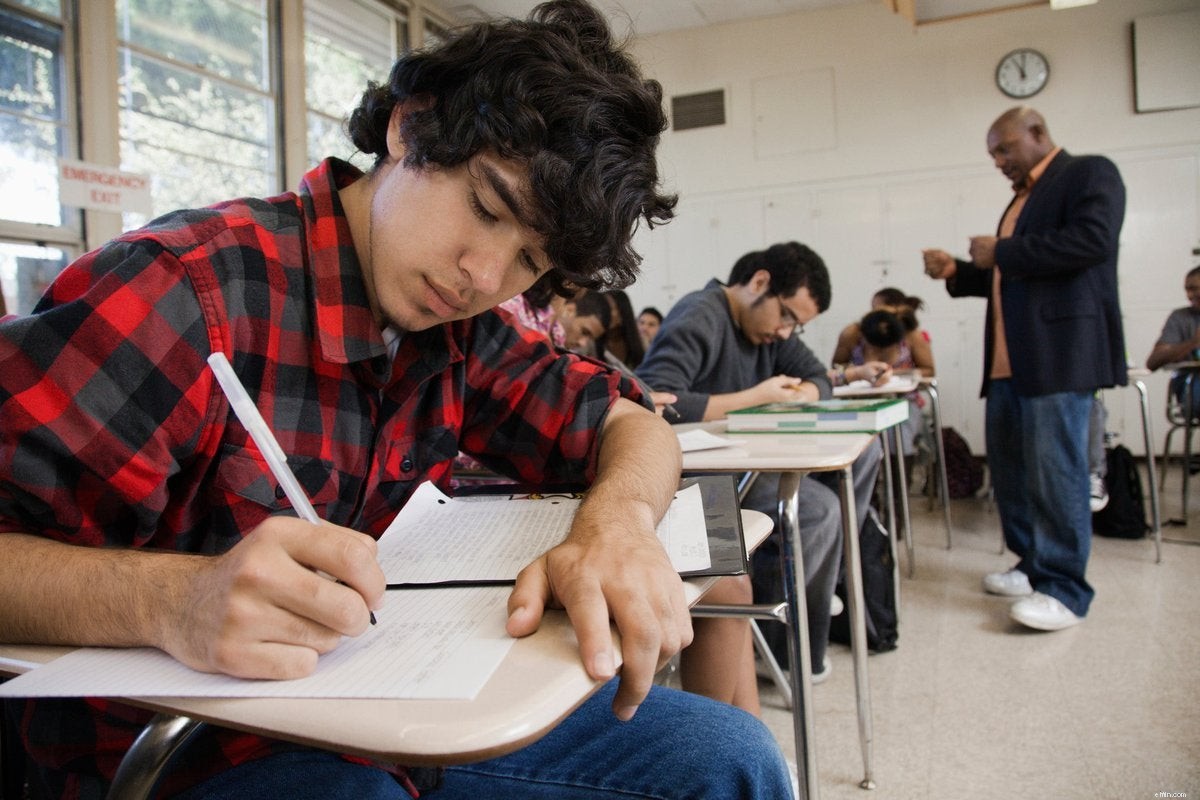
Learning to manage money as a teenager could lead to smart decisions as an adult.
Have you ever run up a tab on a credit card that you had to pay off over time? Have you had to push off a utility bill and incur a late fee because money was tight? Sometimes these circumstances can't be helped -- say, in the case of layoffs or emergencies -- but a lot of Americans land in debt because they don't know the details of managing money.
Some lawmakers are trying to change that. And if they do, it could spare a lot of people a world of financial pain.
Schooled on money management
So far this year, 25 states have introduced legislation to add personal finance education to high school curricula. In Arkansas, Hawaii, and Nebraska, those bills have been signed into law, and in a few other states, they're awaiting a governor's signature. The purpose of these bills is to teach Americans about money management at a young age, so that by the time they enter the workforce, they know a lot about handling finances.
What might a personal finance course entail? For one thing, it should, ideally, explain the importance of having emergency savings. Unplanned bills can strike out of nowhere, and without money in a savings account, those on the receiving end of those bills can easily end up in debt. Workers are generally advised to sock away three to six months' worth of essential living expenses to cover unanticipated expenses, or an extended period of unemployment -- something that has, unfortunately, been a lot of people's reality in the coronavirus pandemic.
Another lesson that's important? The art of budgeting. Without a budget, you may not know where your money goes every month, or what your expenses really look like. Following a budget can be the ticket to avoiding debt, building savings, and meeting larger financial goals.
Finally, it's important to understand the dangers of credit card debt. Many people run up credit card tabs, thinking they'll pay them off in time and get a little breathing room, not realizing just how much interest they'll accrue in the process -- and how badly they might damage their credit.
A positive sign
For some states, bills calling for personal finance education are just in the introductory phase, and they're not guaranteed to pass. But the fact that lawmakers are focusing on financial education is a positive.
A lot of people's finances were destroyed when the pandemic hit and they had no cash reserves to fall back on. Teaching people how to save, budget, and plan for the unexpected could spare countless Americans grief in a future crisis, even if it doesn't come close to the impact of the coronavirus pandemic.
-

Common Causes of Financial Problems: Understanding & Avoiding Them
Set aside funds for rainy-day emergencies. Financial problems are an unfortunate reality many people face at some point in their lives. College students, mid-career workers and even retirees
-

Millennial Money Management: Strategies & Trends
Millennials Managing Money Millennials, or digital natives, as they are often called, have dominated news headlines in recent times thanks in large part to their unique makeup and thorough k
Personal finance
- Do You Need a High School Diploma to Become a Real Estate Agent? - [Year]
- Money Market Funds: A Guide to Stability & Yield
- Why Do You Save Money? Understanding Your Savings Goals
- Financial Literacy for College Graduates: 7 Essential Tips
- Financial Planning for High School Graduates: A Beginner's Guide
- Top Financial Resolutions for 2022: What Americans Are Planning
- Financial Planning: Secure Your Finances Before 2022
- Top 4 Financial Resolutions for a Secure 2024
- Americans' Top Financial Concerns in 2022: Inflation, Bills & Economic Outlook
-
 Financial Literacy in High Schools: A Growing Movement
Florida's state legislature is ...
-
 High School Senior Year Costs: A Comprehensive Savings Guide
After 12 years of education, you and your child have made it: the last year of high school. With just one school year left, there’s excitement and a bit of sa...