
Real Wages Decline Despite Wage Growth: Understanding Inflation's Impact on Workers
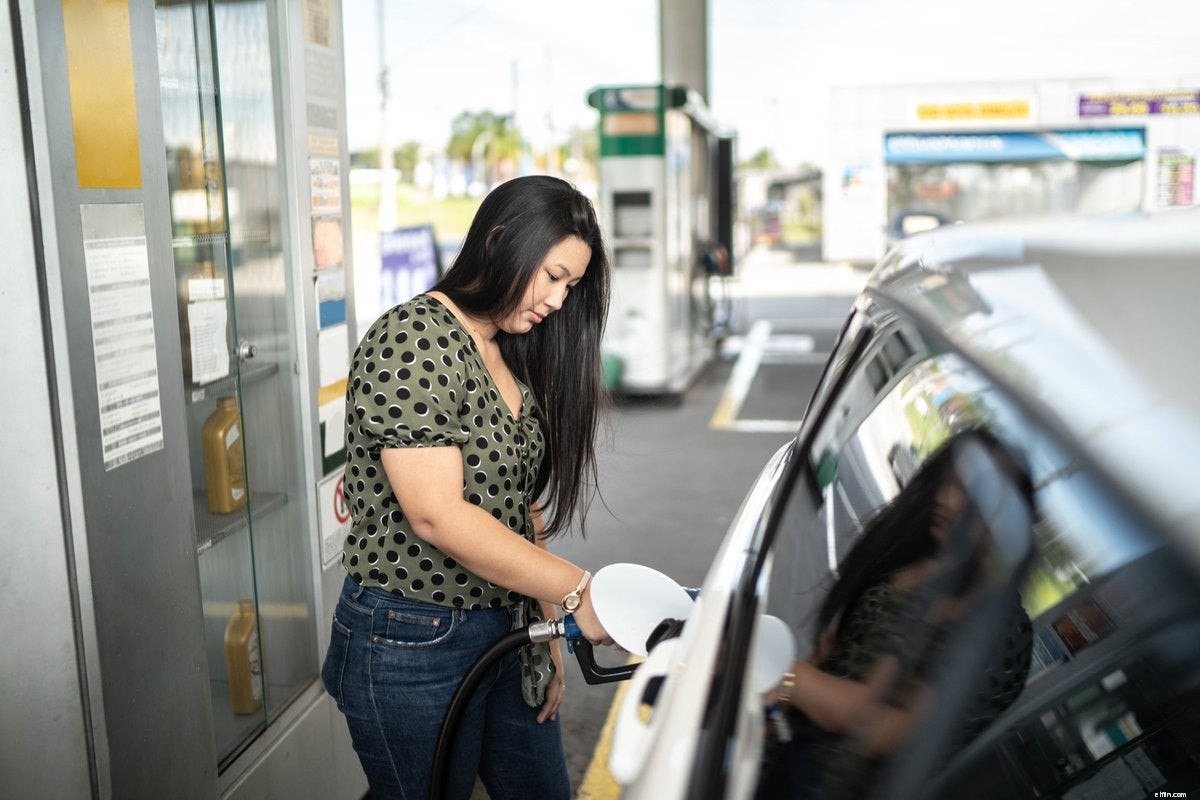
Consumer goods are costing so much more that workers have effectively lost pay.
In June, U.S. workers saw their wages increase by 3.6% compared to a year prior, according to data from the Economic Policy Institute. That represents the highest wage increase in over a decade. In spite of that, most workers today aren't coming out ahead financially.
Quite the contrary when we look at real wages, which measure workers' income after accounting for common living costs. According to the U.S. Bureau of Labor Statistics, real wages fell by almost 2% on average last month compared to where they sat a year before. We can thank inflation for that.
While average hourly wages may have grown 3.6% in the last year, inflation rose 5.4%. All told, that's nearly a 2% loss in buying power.
Now to be fair, not every consumer is impacted equally by inflation. When we talk about the cost of goods rising 5.4%, that extends to things like vehicles -- a staple item for sure, but not the sort of thing people buy every day. Used car prices rose around 45% between June of 2020 and June of 2021, but only consumers who actually had to buy one were affected.
But everyday items are also costing more. Gas, for example, is also up 45%. And while not every American owns a car, in most of the country, having access to a vehicle is crucial, and there's no getting around filling one up.
Similarly, grocery prices are up 2.4%. And food is something everyone needs.
How to compensate for a loss in buying power
Even if your wages have recently gone up, you may find that you're spending more due to inflation than what you've gained in your paychecks. And if you haven't gotten a raise in years, you may be hurting financially even more.
If that's the case, comb through your expenses and see if there's any room to cut corners. For example, you have to fill up your car and you have to eat, but you technically don't need cable if you can't swing it right now.
In fact, now more than ever, it's important to follow a budget. There are many budgeting apps you can use to set one up so you can track your spending.
Now's also a good time to consider getting a second job if you're currently living paycheck to paycheck with no money in savings to fall back on. And while that may seem like a tough thing to do, remember that many side hustles can be flexible. If you can't commit to a preset weekly schedule, do something that allows you to set your own hours, like driving for a ride-hailing service.
We don't know how long today's inflation levels will last. Some experts warn that we could be in for another eight to 10 months of higher living costs. Do whatever you can to protect yourself financially until things cool off -- just like you'd have to make changes if you got an actual pay cut at your job. The last thing you want is to wind up in debt and struggle to work your way out of it.
-

401(k) Match Eliminated? Here's What to Do
Companies are feeling the financial strain of the COVID-19 pandemic as much as their employees, and for some, keeping their doors open and their employees on the payroll requires certain sacrifices, a
-

Fantom (FTM): How a $1,000 Investment Became $98,108 in 9 Months
Many or all of the products here are from our partners that pay us a commission. It’s how we make money. But our editorial integrity ensures our experts’ opi
Personal finance
- Protect Your Retirement: Understanding and Addressing Inflation
- Navigating Inflation in 2022: Expert Strategies to Protect Your Finances
- 2022 Cost of Living Adjustments: What to Expect?
- When to Consider a Pay Cut: 3 Strategic Reasons
- Remote Work & Relocation: 3 States Offering Financial Incentives
- How Inflation Eroded Wage Gains: Understanding the Impact
- Inflation vs. Wages: Why U.S. Workers Experienced a Real Pay Cut in 2021
- Understanding Inheritance Tax: Obligations and Potential Avoidance Strategies
- Understanding Estate Tax: Eligibility & How It Works
-
 Workers' Compensation & Lost Wages: What You Need to Know
If you're injured in the course of your job, your employer's workers' compensation insurance should be paying your medical, prescription and rehab bills. This system is designed to shield ...
-
 Understanding Inflation: Causes, Effects & How It Impacts You
Highlights: Inflation occurs when the prices of goods and services increase over a long period of time, causing your purchasing power to decrease. High inflation can occur as the result o...