
Rising Gas Prices: What Americans Need to Know & What to Expect
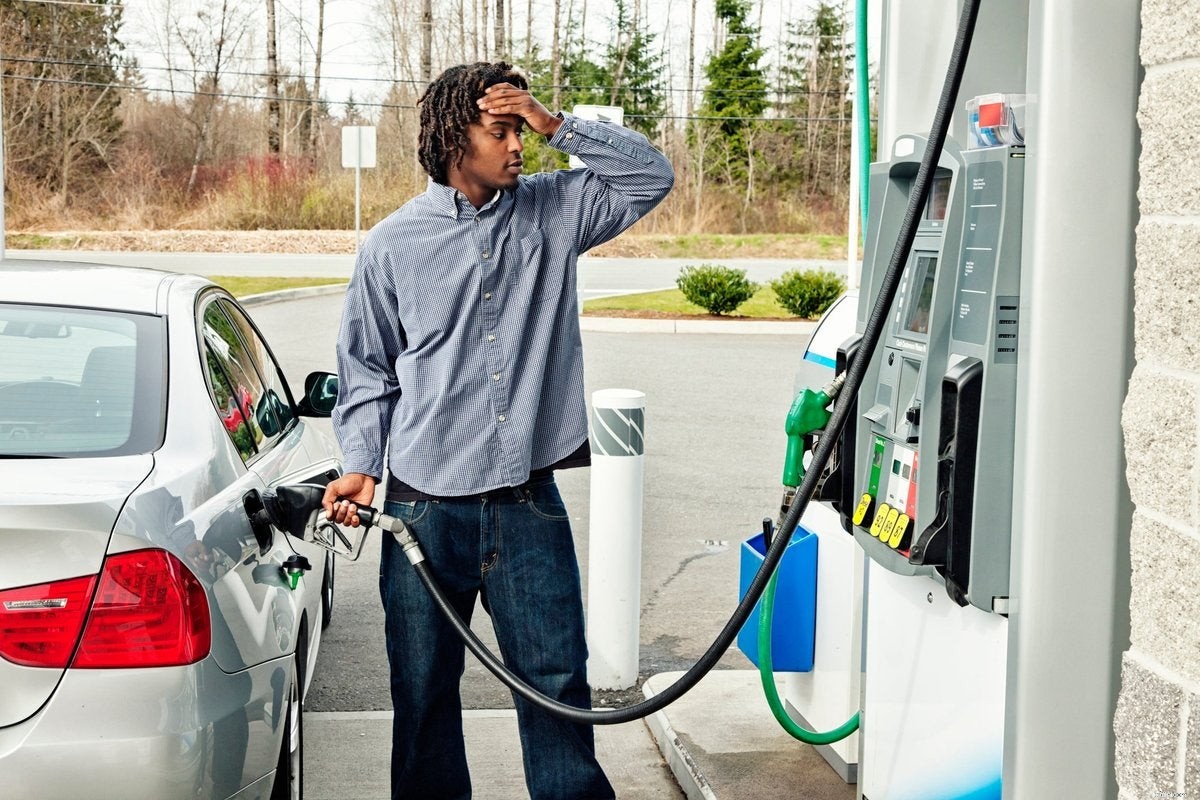
Gas prices are soaring -- and the pain isn't over yet.
Key points
- Americans have paid more at the pump all year due to inflation.
- Tensions overseas could cause gas prices to soar even higher.
For many months, Americans have faced higher gas costs due to inflation. But recently, gas prices reached a 14-year high, and there's more than just inflation at play. The conflict in Ukraine has been a factor -- and it could cause gas prices to soar even more.
Americans should gear up to spend even more
On March 6, the average price for a gallon of gas hit $4.009 nationally, according to data from AAA. That's the highest price since July 2008. The group says higher prices are a result of increased demand and decreased supply. And overseas tensions are likely contributing to the latter.
More than 50% of the cost of gasoline is the price of crude oil, according to the U.S. Energy Information Administration. The U.S. is expected to announce a ban on Russian oil, and while the U.S. isn't overly reliant on Russia for crude oil, that could result in an even greater hike in gas prices.
How to cope with rising gas costs
For most of us, gas is an unavoidable expense. And these days, with more Americans returning to in-person work, it's even harder to minimize fill-ups. But there are steps you can take to manage an increase in gas prices.
First, drive as little as possible. If you can carpool with some colleagues to work, do it. And if you can consolidate errands to minimize your time on the road, go that route, even if it means making some changes to your schedule.
At the same time, research gas prices before filling up your car. Sites like GasBuddy show you local prices so you can see which gas station offers the best deal. That said, you don't want to drive too far out of your way to pay $0.05 less a gallon, because what you save on your fill-up you might spend driving those extra miles.
Some gas stations offer a substantial discount for paying cash. If the savings are substantial -- say, $0.10 a gallon or more -- it could pay not to swipe your credit card. And if you are going to swipe a credit card at the pump, use one that offers generous cash back for fill-ups. Some cards offer 3% or 4% back on gas.
Many Americans are having a hard time making ends meet in the wake of rampant inflation. And throwing higher gas prices into the mix might only make that difficult situation even worse. Unfortunately, gas prices could climb higher before they drop back to moderate levels. It's important to brace for that possibility -- and take steps to reduce your spending at the pump as much as you can.


Personal finance
- Optimize Ethereum Gas Prices: A Guide to Efficient Transactions
- Retirement Savings Crisis: Understanding Why So Many Americans Are Unprepared
- Simplify Your Finances: The Ultimate Guide to iPhone Budget Apps
- Fourth Stimulus Check: Eligibility & Why It's Still Needed
- Rising Food Costs: Understanding the Impact on American Consumers
- Used Car Prices: What Americans Need to Know (2023 Outlook)
- Rising Utility Costs in the US: What Americans Need to Know
- Fuel Savings Strategies: 4 Proven Tips to Combat Rising Gas Prices
- Government Aid: New Bills Aim to Provide Direct Payments to Help with Rising Costs
-
 Bitcoin Investment: Understanding Risk and Perspective
Is it true that you have to be prepared to take risks to become invested in the world of bitcoin? That’s certainly a common theory and one that’s gained particular momentum in recent months as obser...
-
 Why a Business Bank Account is Essential for Success
...