
Ukraine Conflict & Your Finances: 3 Steps to Protect Your Wallet

Worried about tensions overseas hitting your wallet? Here's what to do.
Key points
- New data reveals that most Americans think the Ukraine conflict will impact their day-to-day finances.
- Now's the time to build savings, pay off debt, and secure a backup income stream.
The start of 2022 has been a challenging time, to say the least. In January, many states were still bearing the brunt of the omicron surge. Shortly after, tensions began to boil over abroad. Right now, there's war in Ukraine, and there’s no telling how long that will continue.
All of this (plus our good friend inflation) has Americans worried about their finances. In a recent MassMutual survey, 73% of people believe the conflict in Ukraine will negatively impact the U.S. economy. And to be fair, we've already seen an uptick in gas prices as a result of the war abroad.
If you're concerned about the impact the Ukraine conflict will have on your wallet, it's imperative you take steps to secure your finances. Here are three to start with.
1. Shore up your emergency fund
Even in the best of times, it's a good idea to have a solid emergency fund -- one with enough money to cover three to six months of living expenses. If you're not there yet, try diverting extra money to your savings account in the coming weeks.
Granted, with living costs so high, that's easier said than done. But if you have the option to cut back on discretionary spending, now's a good time to cancel that cable plan and make more of your own meals rather than splurging on takeout three nights a week.
2. Chip away at high interest debt
If the U.S. economy takes a turn for the worse, job loss could become a lot of people's reality. If you're able to eliminate some of your current debts, you'll set yourself to better withstand that sort of situation.
Of course, paying off credit cards is by no means easy to do, especially right now. But once you've beefed up your emergency fund, you can take any extra funds and use it to whittle down your debt. You might also try consolidating your debt via a balance transfer or personal loan to make it more affordable to pay off.
3. Get a secondary source of income
A second job could make it possible to eke out more savings and pad your emergency fund or pay down costly debt. Plus, having that stream of income could buy you some peace of mind at a time when you may be worried about future job loss.
Though living costs may be high these days, the good news is that the labor market is still strong -- and that extends to the gig economy. You may have a fairly easy time lining up a steady side hustle.
It's too soon to tell what impact the Ukraine conflict will have on the U.S. economy. But if you're worried about how it might affect your wallet, take these steps to secure your finances before things potentially take a turn for the worse.
-

8 Proven Mindsets for Achieving Success | [Your Brand/Website Name]
Mindsets To Success Have you ever came across unsuccessful people, they would have put a lot of effort and time, but still they can’t reach success. You know why because they will be having a negativ
-

US Economic Outlook: Understanding Public Sentiment & Recent Recovery
How do you feel about the economy?
Personal finance
- Avoid Holiday Debt: Expert Tips to Stay Within Budget
- August Job Quits: Is Now the Right Time to Leave Your Job?
- Inflation Impact: Strategies to Stretch Your Budget in 2024
- Financial Stress in Women: Coping Strategies & Relief
- Boost Your Savings: Proven Strategies for American Consumers
- Pandemic's Long-Term Impact: How COVID-19 is Reshaping American Goals & Finances
- Financial Recovery for Millennials: Strategies for 2022 After 2021 Setbacks
- Boost Your Credit Score in 2024: Proven Strategies & Tips
- Ukraine Conflict Impact: 46% of Americans Are Adjusting Finances
-
 Common Home Loan Obstacles & How to Overcome Them
When it comes to purchasing a property, everyone is on the lookout for the best possible deal; after all, you do not want to think that the home loan that you did get was not the best one for you. H...
-
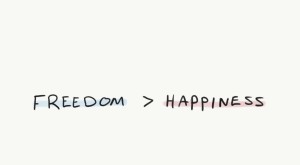 Beyond Happiness: Finding Fulfillment and Purpose
A few years ago, I gave up my excessive pursuit of happiness. I used to think that the purpose of life was happiness. But that philosophy didn’t work for me. I realized that happiness is always a bypr...