
Understanding Rising Rents: Key Factors and Trends

Here are the primary reasons why your rent is going up.
Key points
- The average monthly rent increased by around 14%, outpacing inflation, which rose 7.5% the past year.
- According to FreddieMac, the number of starter homes is at a five-decade low.
- The housing crunch, booming demand for rentals, and high inflation have contributed to rising rents.
Inflation has hit 7.5% in the 12 months through January 2022, according to the Bureau of Labor Statistics -- and that's the highest since June 1982. People are seeing higher costs hit their bank accounts for everything from food to oil. Rent costs, however, have outpaced inflation by about double. According to Redfin, the average monthly rent in the U.S. climbed to $1,877 in December, a 14% increase year over year.
What's more, in major cities such New York and Miami, rents have increased by over 30%. Austin saw the biggest increase in Redfin's data, with rents surging by 40%. For comparison, the average rent in the U.S. increased by only 3% in 2020.
Entry-level homes at 50-year low
According to Census Bureau data reported by FreddieMac, the number of starter homes is at a five-decade low. FreddieMac also reported that starter homes, properties of 1,400 square feet or less, accounted for 40% of new construction in 1980. But by 2019, starter homes accounted for only 7% of construction.
About 418,000 entry-level homes were built per year in the late 1970s. That number has dropped to only 65,000 entry-level homes built in 2020 -- despite 2.38 million home buyers purchasing their first home.
Unfortunately, the new homes being built are targeting the upper-tier housing market, homes that cost at least $500,000. On top of that, real estate investors bought 20% of U.S. starter homes in 2018, more than double the level 20 years ago, according to CoreLogic.
Booming demand
In November 2021, the National Association of Realtors estimated that nearly 1 million renter households were priced out of the housing market. As a result, the share of first-time home buyers has fallen to 26%, an eight-year low. This means more people who want to buy homes may be forced to rent longer, giving landlords more leverage to raise rates.
According to the Pew Research Center, over half of young adults in the U.S. were living with their parents as of July 2020 due to the pandemic. That's the highest this number has reached since the Great Depression. Many of these young adults are now looking to move out, increasing demand for an already limited rental supply. Rising rents and the Federal Reserve’s signal that they will increase interest rates have pushed many renters to buy a home. Prospective buyers, however, are also faced with a hot real estate market.
Simply put, the primary reason rents are increasing is due to limited supply coupled with higher demand. Many of the limits the government placed on landlords during the pandemic kept rents low. But as these measures expire, many renters may see landlords increase rents. If you're worried about rising rent, check out our tips for managing this increased housing cost.
-
![5 Home Renovations That Decrease Property Value | [Year]](https://www.etffin.com/article/uploadfiles/202110/2021101017050963_S.jpg)
5 Home Renovations That Decrease Property Value | [Year]
div.cust
-
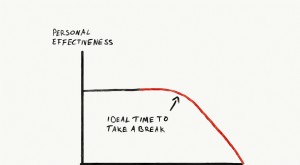
The Unexpected Benefits of Taking Time Off: Boost Productivity & Well-being
What do you do when you feel tired or overwhelmed? Do you power through? Or do you take some time off?In the past, I thought that you should always power through — no matter what. Now, I still think t
Personal finance
- Find Affordable Rental Homes: Strategies & Tips
- Rent-to-Own Mobile Homes: A Comprehensive Guide
- The Psychology of Perfume Preference: Why We Choose Scents
- Construction Loans: Types & Options for Building Your Dream Home
- Negotiating Rent: A Comprehensive Guide for Tenants
- Uncover Your Home's Past: A Comprehensive Guide to Historical Research
- Rent vs. Buy: A Comprehensive Guide to Making the Right Choice
- Protect Yourself: 3 Steps to Prepare for Potential Rent Increases
- 2022 Tax Refund Delays: Reasons & What to Do
-
 Achieve Life Certainty: The Power of Self-Reliance
In my twenties, I often found myself aimless in life. It seemed like every other week, I had no idea what to do next in my life and career. I had no certainty. Do you know how that feels? It’s a feeli...
-
 Protect Your Credit: Why Regular Credit Report Checks Matter in 2022
Many or all of the products here are from our partners that pay us a commission. It’s how we make money. But our editorial integrity ensures our experts’ opi...