
Bankruptcy & Credit Scores: Understanding the Long-Term Impact
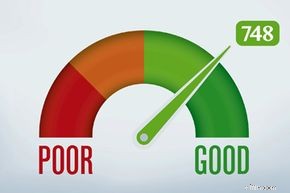 Though filing for bankruptcy will hurt your score initially, sometimes it's the best choice in the long haul.
One morning, you spotted a cobweb, its gossamer strands gathering dust, resting in a ceiling corner above your bathtub. Armed with a dusting cloth, you perched on the edge of the tub in your sock feet, confident that your cat-like agility would see you through. Boy, were you wrong.
By the time your broken leg was fully mended, you were adrift in debt. There was no way you could catch up on your monthly bills, let alone make up for all the time you missed at work. Bankruptcy seems like the only way out, but will the decision to purge your debts ruin your credit score?
While it's true that filing for bankruptcy damages your credit, the same can be said for not making timely payments on the debt you owe. In some cases, filing for bankruptcy will do less harm to your credit score than being months behind on your bills. Even so, a bankruptcy will negatively impact your credit score, causing it to fall by 100 points or more. And it will remain a hindrance for years to come.
The length of time a bankruptcy continues to hurt your credit score depends on the type you file. A Chapter 7 bankruptcy discharges all the debts included in your filing, which means you are no longer responsible for paying them. It then remains on your credit report for up to 10 years. A Chapter 13 bankruptcy allows you to repay some of your debts, such as a mortgage, while discharging others; this type of bankruptcy stays on your credit report for up to seven years [source: Krulick]. The debts themselves may stay on your credit report for longer than the bankruptcy in the case of Chapter 13, but will usually drop off sooner if you file Chapter 7 because they are completely discharged [source: Botkin].
After your bankruptcy is discharged, you can start rebuilding your credit score immediately -- you don't have to wait seven or 10 years. In fact, it's a good idea to begin establishing credit as soon as possible because it's a task that may prove more difficult now that your credit score is lower. If you do qualify for a loan, such as a car loan, the interest rate will be several points higher than those you previously paid. Credit cards will be difficult to qualify for, too. Many lenders immediately turn down applications when they see a bankruptcy.
A secured credit card, however, can be a good option. In exchange for a lump sum and an annual fee, you can be issued a secured credit card. Typically, the credit limit will equal the amount you've paid the card issuer. As you use the credit card and pay the bill on time, the issuer will report your activity to the credit bureau, which will help you establish good credit going forward. Store credit cards, although they usually have high interest rates, are another option post-bankruptcy [source: myFICO, Botkin].
Although seven or 10 years can be a long time to wait for a clear credit report, rebuilding your credit by paying your bills on time can go a long way toward raising your credit score. So although filing for bankruptcy will hurt initially, the pain will eventually ease.
Sources
- Botkin, Kira. "How Does Bankruptcy Affect Your Credit Score?" Moneycrashers. 2014. (Sept. 4, 2014) http://www.moneycrashers.com/bankruptcy-affect-credit-score/
- Krulick, Al. "Bankruptcy." Debt. 2014. (Sept. 4, 2014) http://www.debt.org/bankruptcy/
- myFICO. "Considering Bankruptcy." 2014. (Sept. 4, 2014) http://www.myfico.com/crediteducation/questions/bankruptcy-fico-score-considerations.aspx
-
Lawsuits & Credit Scores: Do They Impact Your Credit?
The courts decision determines whether a lawsuit results in a judgment. A lawsuit provides a civil method by which a business or individual can seek justice for a real or supposed wrong. The
-

How Savings Accounts Impact Your Credit Score: A Comprehensive Guide
Many or all of the products here are from our partners that pay us a commission. It’s how we make money. But our editorial integrity ensures our experts’ opi
Personal finance
- Unemployment Benefits: Potential Risks & Penalties
- Refinancing Student Loans & Credit Score: What You Need to Know
- Credit Report Limitations: 7 Important Things Excluded
- Understanding Credit Score Checks: Do They Impact Your Score?
- Personal Loans & Credit Scores: What You Need to Know
- Net Worth vs. Credit Score: What's the Connection?
- Understanding Credit Reports: Do They Lower Your Score?
- Crypto Lending and Your Credit Score: What You Need to Know
- Closing Credit Cards: Impact on Your Credit Score Explained
-
 Homeownership & Credit Score: How Buying a House Impacts Your Credit
Whether you’re a first-time homebuyer or have been around the house-buying block a few times, there’s no denying that purchasing a home is a huge financial decision. You’ll most l...
-
 How Credit Score Checks Affect Your Score: What You Need to Know
Everyone knows how important your credit score is — from getting approved for a credit card to getting lower interest rates on loans. It’s essential to keep your credit score up so you can get the b...