
Retirement Planning: A Decade-by-Decade Guide to Achieving Your Goals
Starting to plan early around your retirement goals is a crucial ingredient for success.
Creating a plan early sounds straightforward enough, but decision-making can be complicated when it comes to your financial life. Retirement planning – and indeed financial planning in general — means going through the various cycles of your life that occur in different decades and setting a plan around each of these major milestones.

Most investors tend to procrastinate, and these planning items sneak up on them. Many people also underestimate the “real” future costs of retirement.
Since retirement is a major financial goal for most people, it’s important to take a step back and think about what little steps you’re taking at your age to better align your long-term goals for retirement. In that spirit, here are a few things that you should have set up or in place to address based on your age:
Your 20’s: Start Contributing to Your 401k
The sooner you start contributing to your 401k, the more you’ll get to benefit from the power of tax-free or deferred compounding. Many companies will have matching and if you are not contributing, you are missing out on free money.
Your 30’s: Pay Down Non-Mortgage Debt
This is the time to start paying down credit card debt and student loans, so you’ll enter your forties with better positioning to start building your nest egg. Make sure you have a sufficient emergency fund balance (usually six months of expenses). Consider insurance if you have started a family as well as setting up wills and estate planning documents.
Your 40’s: Beef Up Your Savings
This is the decade to beef up your savings and really start defining your long-term goals. Balancing retirement, college and personal or family goals. Are you on track to pay for college goals, have you revisited insurance coverage? Are your 401k contributions maxed out?
Your 50’s: Make Larger Contributions Towards Retirement Accounts
You are now eligible to make larger contributions towards retirement accounts. Take advantage of the catch-up provisions. If you have children, start to set priorities and expectations on how you plan to help them after college and through adulthood. Reassess how close and when you want to retire. Are the wills and estate planning documents up to date?
Your 60’s: Hone in on What Retirement Looks Like for You
You should have a better idea of what retirement could look like for you and what it really means for you to be “retired”. Do you want to keep working as long as you can? Would you like to slow down? What are your Social Security benefits and when is the optimal age to start taking them? At 65, make sure you visit and understand Medicare whether you intend to use it or not. Optimize your investment accounts so you are as tax efficient as possible.
Your 70s and Beyond: Revisit Legacy & Estate Planning
Grandchildren could be a big part of starting to think about legacy and family planning. Any philanthropic goals or organization that you care about? Required Minimum Distributions (RMDs) will be a factor whether you are still working or not.
Working With a Financial Advisor on Retirement Goals
While these are all good general guidelines for ensuring a comfortable retirement, we all know life is just not that simple. We have unexpected life events, medical expenses, decide to go back to school — there are any number of things that can complicate your financial life and your retirement planning. But the good news is, there’s help. Personal Capital offers free, no-obligation introductory consultations in which we use information that you provide to show you an overall recap summarizing your goals, time horizon and risk tolerance, balance sheet, and annual cash flow. We’ll also help you better understand your current investment allocation and present our recommended portfolio allocation based on your specific goals and financial situation. This will also include a projected retirement value — our wealth advisors are here to help you chart a course to a successful retirement.
Here is what you can expect from a Personal Capital Introductory Consultation:
Our Take
Keep in mind that these are very high-level tips designed to get you thinking about your retirement goals. And regardless of where you are on your journey towards retirement, a great first step towards retirement readiness is simply knowing where you stand. This will give a basis for forming a comprehensive financial plan geared towards securing the retirement you desire. Working with a financial advisor or using free online financial planning tools is a good place to start.
For more tips on saving for retirement, read our article “How to Save for & Spend in Retirement”.
-
The 4% Rule: A Comprehensive Guide to Retirement Withdrawals
Within the vast topic of retirement, the concept of “the 4% Rule” hits right at the core of most people’s concerns: how much money is enough money to have in your savings when yo
-

Top 10 Best States to Retire In 2024: Cost of Living & Quality of Life
You’re really going to do it. You worked your last day, you ate the cake and you decided to move to the best retirement spot in America. Next question: Where is that?We looked at costs, weathe
retire
- Retirement Planning: 5 Essential Steps for a Secure Future
- Planning for a Long Life: A 40-Year Retirement Strategy
- Retirement Redefined: Evolving Mindsets for Financial Security
- Best Retirement Calculators: Plan for Your Future
- Child Roth IRA: Secure Your Child's Future with Tax-Free Retirement Savings
- Understanding Military Retirement: Benefits & Eligibility
- Understanding Supplemental Executive Retirement Plans (SERP)
- Retirement Planning: Achieving Your Goals by Decade | [Year]
- Retirement Age in Canada: Understanding Your Options
-
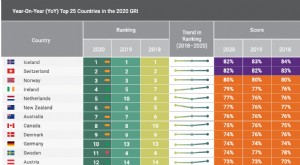 U.S. Retirement Ranking: A 2020 Global Overview
The U.S. ranked as the 16th best country to retire in for 2020, right in the middle of the pack when it comes to retiree conditions around the world. In 2020, the world was confronted by the coro...
-
 Navigating Retirement: Understanding the 6 Stages of Transition
Most major life-changing events, such as marriage or divorce, involve an ongoing process of emotional adjustment. Retirement is no exception. But while marriage, divorce, and other family-related is...