
Optimal Savings Amount: Expert Advice & Strategies
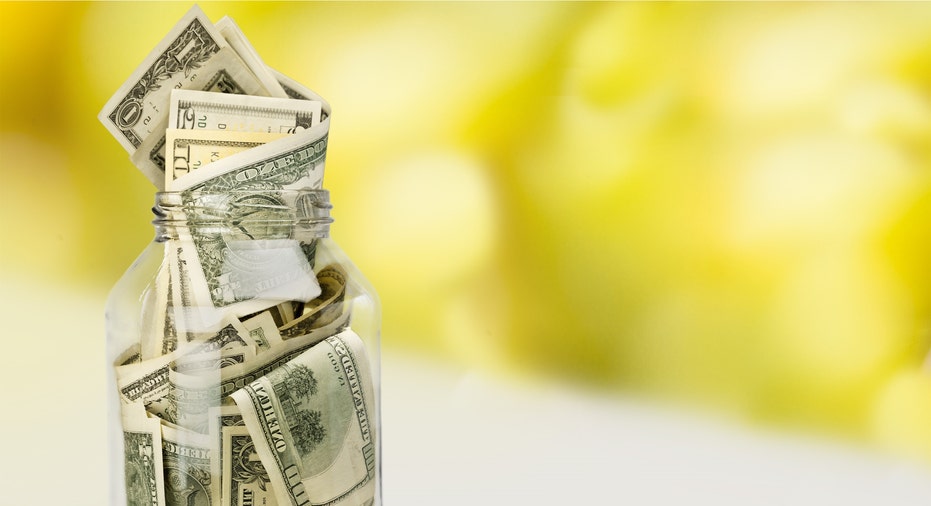
You definitely need an emergency fund, but don’t put all your cash in savings. (iStock)
Having a flush savings account is important for every household — safeguarding you against job loss, high medical bills or home repairs and, in 2020’s case, a worldwide pandemic.
But exactly how big do those savings need to be? And where should you be storing them? Here’s what experts have to say about storing — and growing — your hard-earned cash.
How much should you have in savings?
According to Michaela McDonald, a certified financial planner and financial advice expert at personal finance app Albert, you should have at least three to six months’ of expenses in the bank.
“This includes key expenses like your rent, utilities and WiFi, as well as essentials like groceries, pet supplies and gas,” McDonald said. “The pandemic has brought to light the value of an emergency fund. Many Americans have relied on their savings to get them through 2020. Having these funds in savings will help you feel confident and secure, as well as shield you from having to use high-interest rate debt products like credit cards, payday loans, etc.”
To see how much you should have saved up, add together all your vital monthly expenses — your mortgage payment, grocery bill, water and electric costs, etc. — and multiply that by three. That’s the bare minimum you should have saved. Multiply it by six, and that’s the ideal number you’ll want to hit.
If your savings exceed that goal number and you hardly withdraw, then you may want to consider putting the extra cash into a high-yield savings account. That way, you'll earn more interest on your money over time.
Of course, everyone’s scenario is different. As Ian Persaud, an advisor with financial planning firm Equitable Advisors, explained, your job — and how consistent its pay is — will also play a role.
“If someone has a stable job, then they may feel comfortable with a cushion on the shorter side of three to four months,” Persaud said. “But if someone’s compensation is largely based on commission or sales — which can fluctuate, they need to have a cushion on the larger side and sometimes more than six months’ of expenses because they can’t really predict their income.”
High-yield savings account vs. traditional savings account
When stowing away those emergency funds, you have two choices: a traditional savings account and a high-yield one.
“The key difference is that a high-yield savings account typically allows a better-earned interest rate annually than a traditional savings account,” McDonald said. “This makes them a great place to store your emergency fund, as you’ll gain more in interest over time.”
Credible can help you find a high-yield savings bank account provider and interest rates that will boost your savings. Check out what options — from each banks' minimum balance requirement to its APY — are currently available.
“The key difference is that a high-yield savings account typically allows a better-earned interest rate annually than a traditional savings account."
- Michaela McDonald, financial planner
There is a catch with high-yield savings accounts, though. In most cases, these accounts allow for minimal withdrawals. If you think you might need to pull from your savings regularly, they might not be the best option.
Another thing to think about? Interest rates can vary widely on high-yield accounts, so choosing the first one you come to probably isn’t wise either.
Use a tool like Credible to streamline the process and ensure you get the best rate possible.
“If you intend to open a high yield savings account, you’ll need to shop around to see what banking institution offers the right fit for you,” McDonald said. “Many of the best high-yield savings accounts out there this year are offered by online banking institutions.”
How else can I grow my money?
It is possible to have too much in savings. In fact, most experts recommend that once you reach that comfortable mark in your emergency fund, you’ll want to start funneling your cash toward investments instead.
“There is a point when keeping too much cash in savings may be a missed opportunity,” McDonald said. “My standard advice is: Once you have a healthy emergency fund and your debts are under control — it's time to consider investing. When you have an investment plan, your money begins to work for you.”
McDonald recommends shifting your focus to retirement contributions, putting 10% to 15% of your available cash toward your 401(k), IRA or other retirement accounts.
“From there, you can start focusing on investing for shorter-term financial goals, like a home down payment or your children's education,” McDonald said.
Put your money to work
Don’t have a solid emergency fund yet? A high-yield savings account is your best bet for building one. Keep in mind, though: Interest rates vary, and your existing bank may not offer many options. Shopping around on a multi-lender marketplace like Credible can help you find the highest-rate account to help you achieve your goals.
If you are wondering ‘how much money should I save a month’ then you are not alone. Since saving money is an important part of your long-term financial well-being, it is
Stock trading is the act of buying and selling securities in which short-term strategies are employed to maximize profits. Active traders take advantage of short-term fluctuations in price and volat

Optimal Monthly Savings: A Guide to Financial Well-being

Trading Costs: How Much Capital Do You Need to Start?
Savings
- Retirement & Savings Goals at 40: What You Should Have
- Optimal Savings Account Balance: A Personalized Guide
- Optimal Checking Account Balance: How Much to Keep?
- Retirement Spending: How Much Do You Really Need?
- Retirement Savings at 40: What's Your Target?
- Optimal Checking Account Balance: A Comprehensive Guide
- Emergency Fund Size: How Much Should You Save?
- Optimal Savings Account Balance: How Much Should You Save?
- Optimal Checking Account Balance: How Much Do You Need?
-
Emergency Savings: How Much Do You Really Need?
Financially speaking, 2020 has been a major wakeup call for most people. In a recent study, about one-third of respondents claimed to have lost 10 to 25 percent of their income due to the COVID-19 pan...
-
Emergency Fund Size: How Much Do You Really Need?
Keeping emergency fund cash on hand is good — but maximizing return is still important. So, how much should you have in an emergency fund? When it comes to emergency savings, there are varying o...