
Emergency Fund: Essential Strategies & How Much to Save
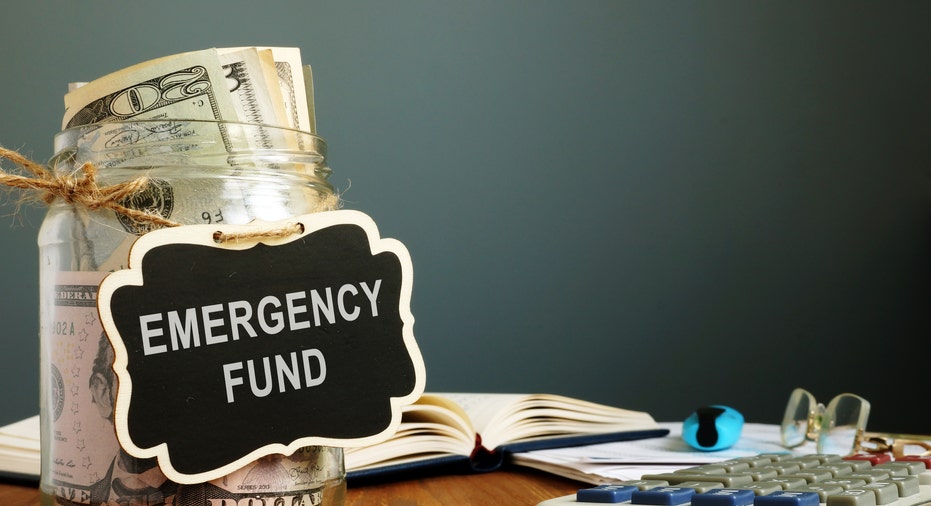
How you save and where you stash your cash are paramount. (iStock)
Saving money for emergencies is an important part of a healthy financial plan, but it can be challenging for many Americans. According to an annual financial literacy survey by the National Foundation for Credit Counseling, roughly a third of respondents don’t have enough cash in savings to cover a $2,000 expense.
There are several ways to get money in a pinch, but most of them involve borrowing, often at a higher interest rate. Building an emergency fund may not help you with current financial needs, but it can safeguard your financial well-being in the future.
Here are some do’s and don’ts to keep in mind as you work on your goal.
1. Do open a separate savings account
It can be difficult to keep track of your emergency savings if it’s combined with your savings for other financial goals.
Opening a separate savings account—for this and other goals—can help you keep track of where you stand, and it can help ensure you don’t dip into your emergency fund for other things.
There are several high-yield savings accounts that provide a higher annual percentage yield (APY) than the average savings rate you might get with a major bank—sometimes 10 or even 20 times as much.
Explore how you can earn more with a high-yield savings account to maximize your value.
2. Do set up automatic transfers
If your plan is to save whatever you have leftover at the end of the month, you may find it easier to spend that money than set it aside. By setting up automatic transfers every month from your checking account, you’re effectively treating your savings goal as a bill, which can increase your chances of maximizing your savings.
3. Do set goals
Most financial experts recommend working toward having three to six months’ worth of basic expenses set aside for a rainy day.
While that may not be feasible for some, take some time to consider your situation, including your current ability to save and what amount would make you feel safe, to determine how much you want to have in the bank for an emergency.
Also, keep in mind that your goals and ability to save can change over time, so make adjustments as needed.
4. Don’t make credit cards your 'emergency fund'
If you have a credit card, especially one with a single-digit interest rate, you may be tempted to simply use that as your emergency fund. While that’s better than taking out a payday loan or dipping into your retirement savings, it could end up making your financial situation even worse.
That’s because credit cards don’t have set repayment terms. If you don’t have a plan for repayment, you could end up paying off that debt for months or even years to come.
Credible can help you find the right credit card by filtering credit cards by card type — from a balance transfer card to rewards credit cards. You can see the credit score needed, welcome offers, and more using this free online tool.
5. Don’t wait to build an emergency savings
It’s natural to have competing financial goals. But if you’re saving for retirement or paying down student loans, credit cards, or other debt, don’t wait until you’ve finished those before you start saving for emergencies.
After all, if you’ve made extra payments on your debts and lose a job or have to pay for home or car repairs, you can’t get that money back from the lender, and you may end up needing to borrow more. If you have multiple financial goals, create a budget, and decide how much money to put toward each one.
Also, keep in mind that you can refinance a mortgage or student loans and potentially get a lower rate than what you have now. Visit an online marketplace like Credible to explore and compare mortgage refinance rates.
You can also use Credible to compare and contrast student loan refinances rates.
6. Don’t get discouraged
If you don’t have a lot of extra cash you can set aside for a rainy day, it can be discouraging to think about how long it’ll take to reach your goal. While it’s ideal to have a robust emergency fund every time you need it, the reality is that you may still need to turn to other sources to get some of the cash you need.
The good news is that even having a small emergency fund can reduce how much you need to borrow, and creating the habit to save every month can make it easier to do it as your income grows and you have more to save.
The bottom line
Building an emergency fund is crucial for managing potential threats to your financial security. Setting up a separate savings account, making automatic deposits from checking and setting specific goals can help you get there faster.
While you can certainly use your current bank or credit union, also explore high-yield savings accounts to see if you can get a better rate on your money.
The growth and income fund can be a good form of investment for those that wish to get the best of everything that the investment world has to offer. This fund is designed to provide you with ca
Everyone needs savings for unplanned expenses -- even retirees.

Growth & Income Funds: A Balanced Investment Approach

Emergency Fund for Retirees: Why & How Much You Need
Savings
- Building an Emergency Fund: A Step-by-Step Guide
- Secure Your Future: Where to Keep Your Emergency Fund
- Top 10 Best Cities for Savings: Boost Your Financial Security
- CFD Trading: Essential Dos and Don'ts for Beginners
- Build a Strong Financial Foundation: Why You Need an Emergency Fund
- Emergency Fund Guide: Build Financial Security & Peace of Mind
- Mastering Savings: A Beginner's Guide to Financial Security
- Emergency Fund: Build Financial Security Before Fall
- Emergency Fund Guide: Protect Your Financial Future
-
Financial Freedom: Why Time is Your Most Valuable Asset
Note from J.D. Last October, I had a chance to read an advance copy of Grant Sabatier‘s new book, Financial Freedom, which was just released this morning. I liked it. I loved parts of it....
-
Financial Crisis Survival: Strategies When You Lack an Emergency Fund
Your emergency fund can be a fantastic resource to help keep your finances afloat no matter what obstacles life throws your way — an unexpected medical diagnosis, an economic recession, or even a glob...