
Scalping: A Beginner's Guide to High-Frequency Trading
When it comes to stock market trading, scalping is a technique that many investors like to use. Scalping is a very short-term type of trading in which the trader attempts to secure small amounts of profit on each trade. This type of trading can be very profitable, but it also carries with it a fair amount of risk. Here are the basics of scalping.
Scalping
When a trader places a scalping trade, he plans on holding the position only for a very short amount of time. In most cases, this type of trade will be open for only a few minutes or even a few seconds. With this type of trade, the trader is trying to benefit from short-term movements in the price of the security. He is hoping that something takes place to significantly change the price of the stock. Scalpers do not necessarily care about the fundamentals of a company. When using this strategy, they believe that everything that they need is present in the current price of the security. Most of these traders utilize a type of technical analysis on their trades.
Time Frames
When utilizing a scalping strategy, most traders will look at very small time frames on their trading software. Since they are looking only at the short-term trend, they are not necessarily concerned with longer time frames like days or weeks. In most cases, they will utilize an hour or briefer chart. Many scalpers utilize one-minute or five-minute charts. This gives them a very limited amount of information about the market and helps them focus in on the tiny fluctuations in the price of the stock.
Techniques
Even though the basic idea of all scalping is the same, there are several different techniques that you could use. For example, some individuals will look for profitable patterns in the price chart of a security and then attempt to take advantage of these patterns. Others will wait for a news announcement on a particular company and then attempt to scalp small profits out of the market when the price jumps. There are also various software programs that can provide indicators to traders in order to alert them of profitable trading opportunities.
Psychology
In order to be successful with a scalping strategy, you have to have the proper mindset going into each trade. Many people that are unsuccessful with scalping go into the process with the idea that they are going to win every trade. When a trade starts to go against them, they panic and stay in a trade longer than they should. Sometimes, they close it out much quicker than they should as well. In order to make this strategy work, you need to approach it with the idea that you are going after only a small amount of profit on each trade. You need to place your stop loss orders to make sure that you do not go beyond your limit and take profit when you can.
-

Forex Scalping: A Comprehensive Guide to High-Frequency Trading
FOREX scalping is one of the most popular trading strategies in the foreign currency exchange market. Many traders use this as their primary method of trading. With scalping, you are employ
-

Bitcoin Trading for Beginners: Essential Tips & Strategies
A vast amount of people all across the world are engaged in bitcoin trading. Its because trading of BTC is the best method to earn huge profits. It’s an act of buying bitcoin when the price is
Stock basis
- Forex Scalping: A Comprehensive Guide to High-Frequency Trading
- Momentum Trading: A Comprehensive Guide to Riding Market Trends
- Avoid Costly Errors: 4 Common Mistakes in Online Day Trading
- Scalping: A Deep Dive into Day Trading's Fastest Strategy
- Swing Trading: A Beginner's Guide to Short-Term Stock Profits
- Essential Stock Trading & Investing Guidelines for Beginners
- 3 Key Strategies for Conservative ETF Trading
- Scalping Trading Strategies: 8 Tips for Success
- Bitcoin Trading Strategies: A Beginner's Guide to Profit
-
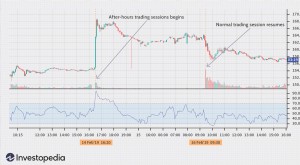 Understanding After-Hours Trading: A Comprehensive Guide
What Is After-Hours Trading? After-hours trading starts at 4 p.m. U.S. Eastern Time after the major U.S. stock exchanges close. The after-hours trading session can run as late as 8 p.m., though...
-
Trading Halts: Understanding Temporary Stock Market Suspensions
What Is a Trading Halt? A trading halt is a temporary suspension of trading for a particular security or securities at one exchange or across numerous exchanges. Trading halts are typically ena...