
Dollar Cost Averaging: A Simple Investing Strategy
Dollar cost averaging involves investing a set amount of money in the same investment on a periodic basis. For instance, instead of investing a lump sum in one stock immediately, you might invest $2,000 in that stock at the beginning of every month.
Utilizing this strategy can provide several benefits:
- Dollar cost averaging requires the discipline to invest consistently, regardless of market fluctuations. Thus, it reinforces the habit of regularly setting aside money for investing.
- For many investors, one of the more difficult aspects of implementing an investment strategy is deciding when to invest. Fear of investing at a market high can keep investors waiting on the sidelines. With a dollar cost averaging program, you just follow the plan and invest on a periodic basis, without trying to time the market.
- Since you are investing a fixed amount of money, you purchase more shares when prices are lower and fewer shares when prices are higher. Thus, your average cost per share is typically lower than the average market price per share over the same time period.
- Since you are spreading your investment over a period of time, it keeps you from investing all your money at a market high.
-

Understanding Labor Costs: Direct & Indirect Expenses
What Is the Cost of Labor? The cost of labor is the sum of all wages paid to employees, as well as the cost of employee benefits and payroll taxes paid by an employer. The cost of labor is bro
-
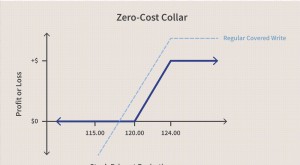
Zero Cost Collar Strategy: Protect Your Portfolio with Options
What is a Zero Cost Collar? A zero cost collar is a form of options collar strategy to protect a traders losses by purchasing call and put options that cancel each other out. The downside of th
Stock investment skills
- Dollar Cost Averaging: Hidden Downsides & Potential Drawbacks
- Lump Sum Investing vs. Dollar-Cost Averaging: Which is Right for You?
- Dollar Cost Averaging: A Simple Strategy for Investment Success
- Dollar-Cost Averaging: A Simple Strategy for Long-Term Investing
- Dollar Cost Averaging & Dividend Reinvestment: A Powerful Investment Strategy
- Value Averaging vs. Dollar-Cost Averaging: A Comprehensive Guide
- Dollar Cost Averaging: A Beginner's Guide to Mitigating Investment Risk
- Dollar Cost Averaging: A Guide to Systematic Investing Pros & Cons
- Dollar-Cost Averaging: When It Works vs. Lump Sum Investing
-
Understanding Implicit Costs: Opportunity Cost in Business
What Is an Implicit Cost? An implicit cost is any cost that has already occurred but not necessarily shown or reported as a separate expense. It represents an opportunity cost that arises when...
-
Simplify Your Finances: Understanding Savings & Investment Decisions
We make a million decisions a day. Go to the gym or sleep in? Coffee or tea? Stairs or elevator? And the big one, what’s for dinner? If stressing about takeout weren’t enough, there are decisions to m...