
Kiri Schumacher Jewellery: Balancing Creativity & Business Growth
Kiri Schumacher has been designing jewellery since 2002 (more than twelve years ago), and this figure in the contemporary jewellery scene is still full of passion and enthusiasm for her craft and business. How is that possible? Don’t the operational aspects of the business ever overwhelm and drown out her wishes to seek more inspiration along the way? How does she juggle roles in between her two-man team all this while? Find out in this case study.
The Beginnings & Launch Of Kiri Schumacher Jewellery
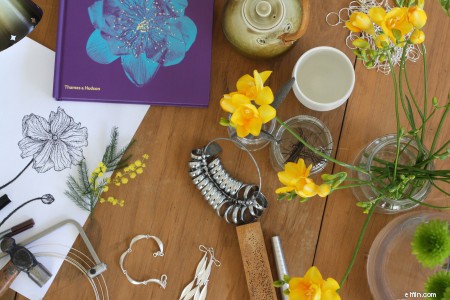
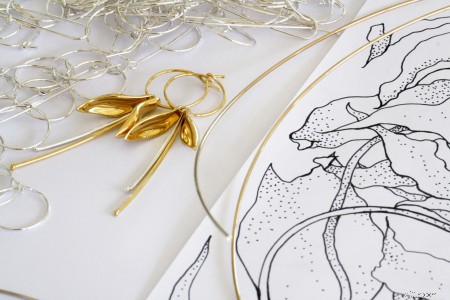
After finishing up art school in 2001, Kiri dived head first into becoming a self-employed jeweller. She handcrafted her own range of jewellery for Kiri Schumacher Jewellery and started the ball rolling by approaching galleries in New Zealand personally so they would carry and showcase her jewellery for sale.
The association with certain galleries has helped build Kiri’s reputation in the market, and she has never felt the need to advertise because it was enough to be in those galleries.
Also, the feeling in a store affects the way the pieces are perceived and Kiri particularly likes that her jewellery are part of the art gallery culture, where the presentation is beautiful and customers are well taken care of.
Letting The Businesswoman In The Artist Emerge
Then came a time when Kiri needed to be more than an artist; she had to think of herself as a businesswoman as well.
“It has been an interesting journey in terms of developing a business because I started as a jeweller, an artist, where it wasn’t really about being a business at the start, so this jump was really eye-opening and educational because you suddenly have to deal with things like SKUs,” says Kiri.
It has been a trial and error process and Kiri has hit a good middle ground between selling at the kind of places she wants to sell at, while not overselling and still having a good cash flow at the same time.
Industry Developments & Plans For The Future
These little and big wins along the way have led to her current vision for global sales, which will bring along its own set of challenges, but Kiri finds it all tremendously exciting.
She plans to further her social media engagement, and build contacts overseas for this leap into the international playing field.
Also, there has been the emergence of a new market of jewellery, where fashion and designer brands like Karen Walker are increasingly going into jewellery making and production as well. In the past, designers stuck to constructing garments and did not go into making jewellery. This has made the whole industry a lot more dynamic and competitive, pushing everyone to become more creative and bold with his or her ranges.
Achieving The Artist-Business Woman Balance
As the business grew, Kiri become a lot more involved with operations and spent less time on creative work. So she started putting herself into a disciplined routine that has been working really well so far. She would start everyday off by being creative, thus setting her up for the rest of the day when she can focus on operational issues later on.
In addition, it is important for Kiri to keep in touch and stay engaged with the industry in order to keep inspiring people, by going to exhibitions and conferences, even on non-jewellery related topics such as architecture and sustainability. Thus it is not all business related for this passionate jeweller.
Kiri is also looking at collaborating with other artists, and even collaborating with specialists in other fields such as botany. She is also interested in doing residencies in nature-based locations, as she gets her inspiration mainly from plants, and flowers in particular.

Managing Consignment Inventory
Within the world of contemporary jewellery where products come at a high cost, stores don’t buy the items outright so jewellers almost always create pieces, and sell them to retailers on consignment.
The consignment arrangement works such that jewellers like Kiri still retain legal ownership over the products even after they have been passed on to galleries for sale. They only receive payment after customers purchase the pieces at galleries. In the meanwhile, galleries and retailers can return the pieces to jewellers at no monetary cost should they feel that the items have been sitting around for far too long.
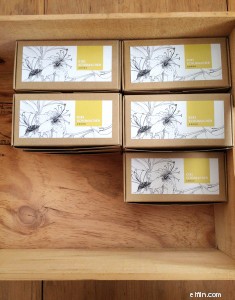
For Kiri, it’s all about managing her consignment inventory. The QuickBooks Commerce online inventory management system has helped to cut down on the number of processes needed to create her consignment invoices and shaved time off on tracking stocks.
Furthermore, Kiri learnt to be flexible – both internally and externally, in terms of being open to new ways of doing things, such as having awesome systems in place to free up more time for her to nurture her creative side.
This is why Kiri is also looking to set up Xero accounting software after learning about the QuickBooks Commerce – Xero system integration. And Shopify as well. These integrations would also go towards bringing Kiri Schumacher Jewellery into the international market without it being tied down to any geographic location. Thus allowing Kiri her coveted two or three months of inspirational trips or residencies per year to develop unique works and contacts.
See also:
JUSY - Indonesian Fast Growing Fashion Icon Shares Start Up Story
Are Ecommerce Businesses Turning Into Logistics Companies? - An Interview With RedMart's CEO On The Operations Backend
Work Out Life: Changing The Boring Uniform-like Sports Wear Market With Quality Design & Craftsmanship
-

Inventory Cost Accounting: Methods, Examples & Expert Guidance
Inventory Accounting Methods Explained With Usable Examples and Expert Advice
-

Sales & Inventory Forecasting: Drive Sustainable Business Growth
Forecasting sales and inventory levels is the secret ingredient to sustainable growth for many online businesses. Anticipating future trends for your business is key to being prepared for changes, mai
Stock management
- BBB Business Lookup: Check Ratings & Complaints - Better Business Bureau
- Understanding Cash Flow: Benefits for Business Growth
- Negotiating with Banks: Tips for Better Financial Terms
- Elon Musk: AI, Crypto & Entrepreneurial Visionary
- Synder Accounting: Powering Business Success with Accurate Financial Management
- RedMart CEO on Scaling Operations for E-commerce Success
- Cloud Inventory Management: 4 Benefits for Businesses
- Free Etsy Inventory Spreadsheet: Streamline Your Shop's Stock Management
- Launch Your Business: Time-Saving Strategies for Entrepreneurs
-
 Fundamental Stock Analysis: A Comprehensive Guide for Investors
There are two common practices when it comes to analyzing and choosing stocks. The two techniques are called fundamental analysis and technical analysis. Each technique has its own strengths, and h...
-
 Startup Funding: How to Launch a Business with Limited Capital
If you want to start a business, but have no money to cover the startup costs, dont despair. With a little creative thinking you can raise the necessary funds and have your business up and running. He...