
The Cost of Underestimating Demand: Business Failures & Solutions
Projecting sales figures and planning for peaks in customer demand is crucial to maintaining a successful business and keeping customers happy. In fact, poor planning can have far-reaching negative consequences on a business’s operations, growth, and reputation.
Here are some case studies of big-brand inventory management failures, as well as common inventory management issues and ways to avoid them.
Failed supply and demand case studies
Walmart
With over 11,000 stores in 27 countries and an average of $32 billion in inventory, Walmart’s supply chain is understandably complex. But while their logistics are known for being extremely precise and technologically advanced, in 2013 they also developed a reputation for having a serious out-of-stock problem in-store.
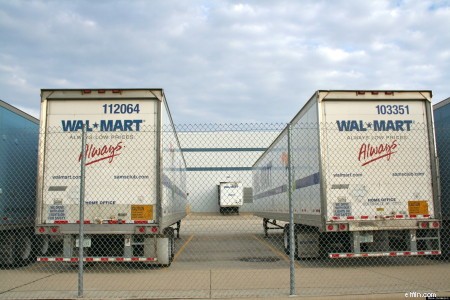
Their lack of stock on shelves was attributed to mismanaged inventory – meaning stock was available in warehouses, but there wasn’t enough staff on hand to move it to the shelves. In this instance, cost-cutting measures resulted in a negative customer experience for many, which is something that could have been avoided by properly forecasting demand.
Nike
In 2001,Nike installed demand-planning software without adequate testing, resulting in an overstock of low-selling shoes and not enough stock of the popular Air Jordans. This ended up costing Nike $100million worth of sales, according to a press release by the company.
In this case, Nike lost out by trying to implement a new system too quickly. While demand and forecasting technology is essential for predicting sales and managing inventory, any new system should go through rigorous testing before being rolled out.
Successful supply and demand case studies
IKEA
IKEA’s inventory management strategy relies on a proprietary inventory system that provides logistics managers with point-of-sale (POS) data and warehouse management system data outlining how much inventory comes into the store through direct shipping and from distribution centers. From this information, the logistics manager can accurately forecast sales for the following couple of days and order products to meet the expected demand. If the sales data doesn’t align with the project turnover for that day, the manager manually counts the products in stock.
Here, we can see an excellent example of forecasting technology aiding business logistics, with a manual process acting as a safety net to ensure complete accuracy.
Zara
Zara’s just-in-time production approach means they design, manufacture, distribute, and sell clothes within a two-week period. They keep a large amount of production in-house, so they can be more flexible in their production cycle and control more of the supply chain and manufacturing process than competitors.

So, how do they manage such an efficient production cycle? Sales and customer feedback data is sent back to Zara designers as soon as it’s received so that adjustments can be made quickly in line with customer demand. They also have extra labor capacity at all times so that they can meet demand as it shifts – supporting the company’s lean inventory management approach.
Apple
Common supply and demand issues
Understaffing
If you haven’t adequately forecasted sales and accounted for peak sales periods, there’s a good chance you’ll be left understaffed in-store, at the warehouse, or providing customer service online.
Having too few staff on hand means a poor customer experience and disruption of the fulfilment process, so it’s important to predict peak periods ahead of time based on previous sales data. Investing in a solution like FBA (Fulfilment by Amazon) can also take some of the pressure off having to manage the entire fulfilment process internally, and help ensure your customers receive their products on time.
Incorrectly budgeting for operations
It’s difficult to budget for operational spending without adequate forecasting. If you do experience an unexpected surge in sales, it’s likely you won’t have the operational facilities in place to meet demand. By using sales forecasting data and a smart inventory management strategy, you’ll have the staff, technology, and inventory in place to handle increases in customer demand, as and when they happen.
Loss of credibility
Above all, poor sales forecasting and inventory planning can have a significant negative impact on the credibility of a business. If you’re unable to meet demand, you’ll deliver an unsatisfactory customer experience, which in turn leads to further loss of sales down the line.
With accurate sales forecasting, you can achieve a higher rate of on time in full (OTIF) delivery. The information from sales forecasts helps ensure you manufacture or order products for when they’re needed, which ultimately leads to happier customers and more sales.
-
TradeGecko Ranked #1 in Inventory Management by Gartner
Gartner is a long trusted technology consultant and advisor. This historic position enabled them create Digital Markets; a platform providing guidance to small business technology buyers, ensuring tha
-
Understanding COGS: A Guide to Calculating & Improving Profitability
The Cost of Goods Sold – also referred to as cost of sales or cost of services – is the total of all costs incurred in creating your product or services. It does not include indirect expenses such as
Stock management
- Inventory Management: When to Reduce Inventory Holding Costs
- Independent vs. Dependent Demand Inventory: A Comprehensive Guide
- Inventory Turnover: A Key Indicator of Business Health
- Effective Inventory Management for Small Businesses: 17 Proven Tips
- Understanding Inventory Quality: Definition & Importance
- Is Your Inventory Management Holding You Back? 9 Signs to Upgrade
- Sales & Inventory Forecasting: Drive Sustainable Business Growth
- Holiday Sales Prep: Your Essential Business Toolkit
- Choosing the Right Inventory Management System: 7 Key Questions
-
 Effective Inventory Management Systems for eCommerce Growth
Within the rapidly evolving world of eCommerce, managing inventory is a key pain point that prevents many businesses from achieving the growth they’re capable of. It’s an investment of both time and o...
-
 Free Etsy Inventory Spreadsheet: Streamline Your Shop's Stock Management
The Etsy shop you started as a side income has grown to become a much more substantial business. Nice work! Now it’s time to put some better tools in place. Keeping track of inventory with a pap...