
Beginner's Guide to Stock Market Investing: Grow Your Wealth

Investing in the stock market is a great way to put your money to work and grow wealth but learning how to invest can be an overwhelming prospect. Between knowing how much you need to invest, where to invest it, and which stocks you should invest in or avoid, there’s a lot to learn! Inevitably, most people don’t even know where to begin.
However, the truth is that learning how to invest in the stock market doesn’t need to be overly complicated or confusing, nor do you need to put your life savings on the line to turn a worthwhile profit. With a sound knowledge of how the stock market works and a measured approach to investing, you can significantly reduce risk and see your money grow at an average rate of 7% per year.
Keep in mind that the average inflation rate is somewhere between 2-3% annually, so unless your money is invested somewhere that allows it to grow by at least that much each year, it’s losing value. That’s why learning how to invest in the stock market can be crucial to securing your financial future.

Where to Begin
You might be excited at the prospect of growing your wealth without having to clock in any extra hours at work, but you shouldn’t dive right into investing in the stock market. You need to come equipped with some basic knowledge and some savings you’re willing to risk for long-term gain.
There are many great resources, both online and in your local bookstore, that you can turn to for all the information you need to become a successful investor.
Some books to read:
- The Little Book of Common Sense Investing: The Only Way to Guarantee Your Fair Share of Stock Market Returns by John C. Bogle
- The Intelligent Investor: The Definitive Book of Value Investing by Benjamin Graham
- A Random Walk Down Wall Street by Burton G. Malkiel
- Irrational Exuberance by Robert J. Shiller
Some websites to bookmark:
-
- Investor’s Business Daily: https://www.investors.com/
-
- Investopedia: https://www.investopedia.com/
-
- The Motley Fool: https://www.fool.com/
-
- Money Chimp: http://www.moneychimp.com/
-
- Senzu: https://senzu.io/
If you’re serious about learning how to invest in the stock market, then take full advantage of the resources at your disposal. Aside from the countless books you can read, there are YouTube videos, apps, podcasts, online courses, forums, and much more.
Suppose you’d like to get a feel for how to invest in the stock market without any of the risks. In that case, you can download an investment simulator app, like Investopedia Stock Simulator or Wall Street Survivor, where you can invest fake money in real stocks. This tool allows you to get a risk-free hands-on experience that could otherwise wind up being very costly.
Of course, the risk is a major aspect of investing, and you can’t learn that until you’re willing to put real money on the line.
Figure Out How Much You’re Willing to Invest
Maybe you have a lot of capital you’re ready to lay out, but that’s not necessary for you to make investments that can eventually pay off. Starting small is usually the wiser decision. This way, you can learn the ropes while mitigating risk.
Remember that you should only be investing in the stock market if you have a sum of money that you won’t need access to for at least five years. While the market can be volatile daily, it has historically always risen over the long term, which means the stock market as an investment tool is most effective when you’re able to let your money sit.
Whether you want to dive right in with a considerable chunk of change, or you’d just like to buy a few cheap shares to test the waters, determine the amount you’re willing to invest, and from there, you can begin to develop an investment strategy.
What Sort of Investor Are You?
The traditional investor is willing and able to put the time and effort into learning how to invest in the stock market to make investment decisions for themselves. If you’re this sort of investor, you’re going to need a brokerage account.
Simply put, a brokerage account is a bank account for stock market investments and other investments such as bonds and mutual funds. Brokerage accounts are acquired through brokerage firms. It generally does not cost money to open a brokerage account; however, there is usually a minimum deposit required.
On the other hand, the modern investor may be too busy with their lives to put in the work required to make sound investment decisions independently. Fortunately, technology has made it, so you don’t need to devote every moment of your free time learning how to invest in the stock market.
Robo-advisors have become increasingly popular investment tools over the past few years. With a robo-advisor, you simply figure out how much you’d like to invest, pick one out. and let it do the work for you. Robo-advisors use algorithms to build and manage an investment portfolio developed according to your specific goals.
The best part about robo-advisors is that they’re inexpensive. You generally pay a fraction of a percentage of your assets each year. It’s a great way to invest your money without having to spend a ton of time learning how to invest in the stock market.
Opening a Brokerage Account
Finding the right brokerage firm shouldn’t be a complicated matter, but it’s worth looking into the different features each has to offer before making your decision. For example, certain brokers provide educational tools and a simplified interface to accommodate those looking to learn how to invest in the stock market through trial and error.
TD Ameritrade is widely considered one of the best online brokers for learning how to invest in the stock market. Charles Schwab and Fidelity are both lauded for their education and research tools. Robinhood may not have educational tools, but it is perhaps the most straightforward, user-friendly stock trading app on the market. Looking into each broker and weighing their features against your needs and goals will help you determine the right fit for you.
Other aspects of your brokerage account to consider are the minimum deposit, access to analyst reports, level of customer support, access to foreign stock exchanges, and the functionality of the platform. Online reviews and forum discussions can go a long way in helping you answer all of your questions about a particular online broker.

Understanding Stocks
With your brokerage account opened and your minimum deposit made, you’re now ready to make your investments. Hopefully, you’ve done a lot of researching stocks by this point, and you have an idea of where you’d like to invest based on said research, but if not, here is a small breakdown of some of the different investments available:
As you can see, different stocks come with distinct advantages, and none of them come without risk. It’s up to you to determine which risks you’d like to take with the money you’re investing.
Short-term Trading vs. Long-term Investing
Another thing to consider when determining your investment strategy is whether you want to focus on short-term trades or long-term investing.
Diversifying Your Investments
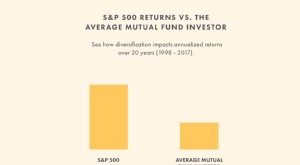
One way to hedge your bets and protect your assets is to create a diverse investment portfolio. This means not just investing in companies of all different sizes but also expanding your investment perspective to include things like mutual funds, exchange-traded funds, and bonds. Learning about these investment vehicles can help you keep all of your eggs out of the same basket, thereby reducing risk.
Knowing When to Sell
The final aspect of learning how to invest in the stock market is determining when the time is right to cash out on your investments. Unfortunately, there is no magic formula for knowing when to sell, but there are a few tips you can follow that will help you make the final decision.
When the price increases dramatically.
It’s often best to capitalize on a profit when you have the opportunity. You may look back and kick yourself to see that the price of shares has increased even more since you sold, but you’ll kick yourself even harder if you hold on too long and sell at a loss.
When the price matches your projection.
When you buy a stock, you should have set a specific price range in your mind that you might eventually sell. This number should not be arbitrary; it should be based on your own analysis. Once the stock has reached your projected price, consider selling.
When you’ve identified greener pastures.
Don’t lock yourself into an investment unnecessarily. If you genuinely feel you’ve found something better out there, go for it.

Start Your Free Trial at Gorilla Trades Today!
If you’re learning how to invest in the stock market, and you’re looking for reliable stock-picking advice, log on to Gorilla Trades today to start receiving daily stock picks, weekly options picks, and bonus small-cap pick free for 30 days!
-

Navigating Market Volatility: Investment Strategies for Uncertain Times
Knowing how to invest in stock markets requires special skills for profits. There are many risks involved with stock market investments and, while these risks cannot be eliminated altogether, the
-
Understanding the Stock Market: A Beginner's Guide
Are you losing sleep wondering how the stock market works? Today's your lucky day. We'll impart all you need to know to become a market pro in no time flat.How do stocks work?What’s the one
stock market
- Stock Market Investing: A Beginner's Guide to Getting Started
- Investing in Rice Futures & Options: A Guide for Diversification
- Investing in Japan: A Guide to the Tokyo Stock Exchange
- Investing in Penny Stocks: A Beginner's Guide to High-Risk, High-Reward
- Stock Market & GDP: Understanding the Connection
- Understanding the Total Value of the Stock Market: A Comprehensive Overview
- Understanding the Stock Market: A Beginner's Guide to Investing
- Starting Small: How Much to Invest in the Stock Market as a Beginner
- Unlock Long-Term Wealth: 7 Compelling Reasons to Invest in the Stock Market
-
Understanding Stock Market Indexes: A Beginner's Guide
Stock market indexes are used to get a quick picture of the overall movements of the market. There are many different indexes published, but a few major ones dominate most investor's attention. Th...
-
Building Wealth: A Guide to Stock Market Millionaire Status
With only average luck, you can become a millionaire investing in the stock market. It just takes time. Slowly Becoming a Millionaire Since before the Great Depression, the U.S. s...