
Credit Cards vs. Debit Cards: Which is Right for You?
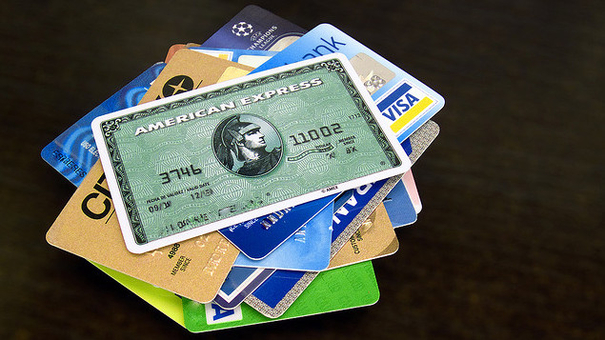 Photo: Andres Rueda
"Credit cards and debit cards have the exact same benefits."
I've heard this statement for a long time, but I wanted to test it out to see if it is true. Unfortunately, we often pass along information we received because we either assume it to be true, or we've heard it from a single reputable source.
Basic differences between a debit card and a credit card
When you use a credit card, the credit card company essentially extends you a loan for the amount purchased. You typically sign for the purchase, and when they send you a bill, you are obligated to pay your balance. If you do not, the credit card company will charge you interest rates and fees.
A debit card is associated with your bank account. When you make a purchase, that exact amount of money is taken out of your bank account within days. When you use a debit card, you typically use a PIN number.
The cards look the same, are scanned the same, but are very, very, different.
Which offers the best card protection benefits? Credit Cards.
Credit card purchases are covered under the Fair Credit Billing Act. The act states that when you purchase something with a credit card, you are only liable for $50 worth of fraudulent purchases (although in reality, most credit card issuers have zero-liability policies that mean you are not responsible for any fraudulent charges. The act also gives you the right to dispute charges for goods that were never delivered or that you received damaged.
If you make a purchase with a debit card, the Electronic Transfer Act does provide some protection during a dispute or error. If you notify your bank within two days, your liability is limited to $50. However, between two days and six days your liability could increase to $500. Waiting more than six days could mean you have no coverage.
Which is better if you work for a company that uses a reimbursement system? Credit cards.
With a credit card you have the ability to delay or float payments. This is especially convenient when you use a reimbursement system with your employer. You can make the purchase today and you have 30-40 days until the payment is due. For anyone who makes purchases on behalf of their company, a credit card certainly carries the advantage.
Which is better when renting a car? Credit cards.
Most major credit cards offer an auto rental coverage that allows you to safely decline the recommendation to pay extra for insurance when you rent a car. In addition, several major car rental companies do not accept debit cards as a form of payment.
My experience: Last year, our family was in Australia and I wanted to use a debit card to rent a car. In order for the company to accept my debit card, I would need to let them to put a $500 hold on our checking account. Since we planned to spend cash for purchases on our vacation, I wasn't sure that we had enough available balance for the hold so I used a credit card. When I returned the vehicle, they billed the charges on to the debit card. On that occasion I was glad to have a credit card in my wallet.
Which is better for avoiding credit card debt? No brainer — debit cards.
This, by far, is the strongest argument in favor of the debit card. If it helps you control your spending and helps you avoid credit card debt, then that one feature alone is as precious as gold. If you currently have credit card debt or are trying to get out of credit card debt, then cutting up the credit card and using a debt card is probably one of the smartest decisions you can make. (See also: Best Prepaid Debit Cards)
Which provides more rewards? Credit cards.
Credit card rewards are one of the primary reasons why people use credit cards. Cash back rewards are attractive to some people because you get a percentage back for your purchases. And travel lovers can rack up rewards worth hundreds or even thousands of dollars a year on travel credit cards.
Note, however, that you should only concern yourself with rewards if you pay off your balance in full every month. Otherwise, the interest charges you'll accrue by running a balance will most likely outweigh the value of any rewards you'll earn.
Which is best to use overseas? Depends on your particular bank and credit card.
Depending on your bank policy and your credit card foreign currency exchange rate, either one might be better. In my case, my bank charges a 1% fee for using my ATM at an overseas machine, while I have a Schwab Visa card that offers 2% cash back and has no foreign transaction fees. However, it is not uncommon to pay a 3% foreign foreign transaction fee with a credit card.
If you plan to travel overseas, you will need to explore the best way to exchange foreign currency before heading on your trip. (See also: How to Get Cash While Traveling Abroad)
Which is more expensive? It depends on use.
Both debit cards and credit cards have associated fees. Looking at one of my credit card fees and finance charges, if I miss a payment, I'll pay $15–$39. If I don't pay my balance in full, the APR (annual percentage rate) is 23.99%. Many rewards cards also charge annual fees of $50–$100 a year. Yes, that is expensive.
On the other hand, debit cards can be expensive, too. The average bank overdraft charge is about $36. A bank may also add a nonsufficient funds fee. These fees can really stack up,
Moral of the story: Both are extremely expensive to use if you don't learn how to budget and properly manage your finances. If you don't track your spending well, both could mean a financial train wreck is waiting in your future.
Ultimately, it comes down to this last question.
Do debit cards feel more like real money? I'm undecided.
Creditcards.com reports:
A recent TNS Financial Services Consumer Credit Card Program Study indicated that over 60 percent of consumers prefer using debit cards to credit cards as a payment vehicle, because debit feels more like "real money."
Ultimately, I'm yet to be convinced. Does sliding a plastic ATM card feel more like money than a plastic credit card? I've personally never felt the difference. Do you?
Final conclusion
Choose whichever method best helps you manage your money, but realize credit cards do clearly have more benefits. The risk may outweigh the benefits, so I'm not suggesting you use a credit card. Also, you might consider comparing the cost of paying cash versus either a credit card or debit. Just understand the differences, and then make an informed decision. (See also: Is an All-Cash Diet Right for You?)
-
Using Credit & Debit Cards at Gas Pumps: A Simple Guide
You can use a credit card at a gas pump. Paying for gas with credit cards is a fairly easy process, but reviewing the basics beforehand will help you have a hassle-free experience. In additio
-

Understanding Credit Cards: A Comprehensive Guide
Credit cards are staple of American life. Have you ever stood behind someone in line at the store and watched them shuffle through a stack of credit cards? Consumers with this many cards are in t
banking
- Prepaid Card vs. Debit Card vs. Credit Card: Key Differences Explained
- Understanding Unemployment Debit Cards: How They Work & Usage
- Understanding Credit Cards: Types, Benefits & Choosing the Right One
- Charge Cards vs. Credit & Debit: Understanding the Difference
- Best Credit Cards for Building Credit (No Credit History)
- Netspend Prepaid Cards: Compare & Find the Best for You
- Top Rewards Credit Cards of 2024: Earn Travel & Cash Back
- Understanding Credit Cards: A Beginner's Guide to Responsible Use
- Debit vs. Credit Cards: Which is Right for You? | [Your Brand Name]
-
 Credit Card Consolidation: Is It Right for You?
Before you consolidate, take a look at the interest terms on any offer you have to be sure you’ll actually save money. How much do you owe on your credit cards? If youre keeping up with the Jonse...
-
 Debit Cards Explained: How They Work & Key Differences
A debit card linked to an account containing federal emergency funds was one of the ways the U.S. government administered financial relief to victims of Hurricane Katrina in 2005. See more bankin...