Top Rewards Credit Cards of 2024: Earn Travel & Cash Back
Rewards are a credit card issuer’s way of saying “we want your business!”
It’s always a great time to start earning valuable travel rewards and cash back, so you’re ready to plan your dream trip when the time is right. That’s especially true this year, as we’re seeing some of the best credit card welcome bonus offers we’ve ever seen. That puts you in a position of being able to select from a long list of very attractive rewards offers.
With so many credit card options, how do you determine which one is right for you? It all comes down to finding the best rewards credit cards that fits your everyday spending habits and goals.
We’re here to help you do that. And since no one credit card provides the best rewards program across the board—with the exception of the first card on our list—we’ve broken it down into categories.
Best rewards credit cards overview
| Card Name | Best For |
|---|---|
| Chase Sapphire Preferred® Card | Travel Rewards |
| Discover it® Cash Back | Cash Back |
| Capital One Venture Rewards Credit Card | Sign-up bonus |
| Citi Premier® Card | Premium Travel Rewards |
| Capital One® Savor® Cash Rewards Credit Card | Dining Rewards |
| Chase Freedom® Student credit card | Student Rewards |
| Ink Business Cash® Credit Card | Small Business |
| Ink Business Unlimited® Credit Card | Business Rewards |
| Citi Custom Cash℠ Card | Balance Transfers |
| Discover it® chrome | Gas Rewards |
| Chase Freedom Unlimited® | Everyday Purchases Rewards |
Best travel rewards credit card
Chase Sapphire Preferred® Card

In A Nutshell
The Chase Sapphire Preferred® Card sets the standard for travel rewards by offering an excellent 5x points on travel purchases through Chase Ultimate Rewards®, 3x points on dining and 2x points on all other travel purchases. And points are worth 25% more when you redeem travel through Chase Ultimate Rewards® – That means the killer 60,000 point sign-up bonus is worth $750 towards travel.
Read review Apply Now On the Secure WebsiteIn A Nutshell
The Chase Sapphire Preferred® Card sets the standard for travel rewards by offering an excellent 5x points on travel purchases through Chase Ultimate Rewards®, 3x points on dining and 2x points on all other travel purchases. And points are worth 25% more when you redeem travel through Chase Ultimate Rewards® – That means the killer 60,000 point sign-up bonus is worth $750 towards travel.
Read review Credit Score Requirements: Credit Score requirements are based on Money Under 30’s own research of approval rates; meeting the minimum score will give you the best chance to be approved for the credit card of your choice. If you don’t know your credit score, use our free credit score estimator tool to get a better idea of which cards you’ll qualify for. *Money Under 30 uses a FICO 8 score, which is one of many different types of credit scores. *A creditor may use a different score when deciding whether to approve you for credit. ?- Excellent
What We Like:
-
A monster of an up-front bonus; 60,000 bonus points after spending $4,000 in the first three months.
-
5X points on travel purchased through Chase Ultimate Rewards®, 3X points on dining, 2X points on all other travel purchases, plus more.
-
Points are worth 25% more when you redeem travel through Chase Ultimate Rewards®
- Earn 60,000 bonus points after you spend $4,000 on purchases in the first 3 months from account opening. That's $750 when you redeem through Chase Ultimate Rewards®.
- Enjoy benefits such as a $50 annual Ultimate Rewards Hotel Credit, 5x on travel purchased through Chase Ultimate Rewards®, 3x on dining and 2x on all other travel purchases, plus more.
- Get 25% more value when you redeem for airfare, hotels, car rentals and cruises through Chase Ultimate Rewards®. For example, 60,000 points are worth $750 toward travel.
- With Pay Yourself Back℠, your points are worth 25% more during the current offer when you redeem them for statement credits against existing purchases in select, rotating categories
- Count on Trip Cancellation/Interruption Insurance, Auto Rental Collision Damage Waiver, Lost Luggage Insurance and more.
- Get complimentary access to DashPass which unlocks $0 delivery fees and lower service fees for a minimum of one year when you activate by December 31, 2024.
Apply Now >>
With the Chase Sapphire Preferred® Card, you earn 60,000 bonus points—worth $600 in cash—when you spend at least $4,000 in the first three months. But that bonus expands to $750 when you use the points for travel redeemed through the Chase Ultimate Rewards® portal.
The Chase Sapphire Preferred® Card allows you to transfer points to various airlines and hotels on a 1:1 basis. Transfer partners include British Airways, Southwest, United, Virgin Atlantic, Marriott and Hyatt, to name a few.
The card also offers a full menu of travel related benefits, including no foreign transaction fees and auto rental collision damage waiver.
Card rewards:
- 60,000 bonus points after spending $4,000 on purchases in the first three months, good for $750 for travel when redeemed through Chase Ultimate Rewards®.
- 5x points on travel purchased through Chase Ultimate Rewards®
- 3x points on dining
- 2x points on all other travel purchases
- 1x on all other purchases
- 25% more value when you redeem for airfare, hotels, car rentals and cruises through Chase Ultimate Rewards®.
See card details/apply or read our full Chase Sapphire Preferred® Card review.
Best cash back rewards credit card
Discover it® Cash Back
Discover it® Cash Back gets top honors as the best cash back card. The 5% cash back on select quarterly categories is worth up to $75 per quarter ($1,500 max spend) when you activate—that’s $300 per year. And that’s just the start. You then get 1% cash back on all other purchases. You also get a Cashback Match™ on all cash back you’ve earned your first year.
Discover it® Cash Back also comes with standard Discover features:
- Paying late won’t raise your APR.
- There is no late fee on your first late payment.
- Get your free TransUnion FICO Score.
- 100% US-based customer service.
Card rewards:
- Earn 5% cashback on select categories each quarter – up to $1,500 in purchases per quarter when you activate by the required deadline each quarter.
- 1% cashback on all other purchases.
- Cashback Match™ on all cashback you’ve earned at the end of your first year.
- Redeem your rewards for cash at any time.
- Cash back that never expires.
Rotating categories for April, May, and June 2022
You’ll earn a 5% Cashback Bonus on up to $1,500 in purchases at:
- Gas Stations
- Target
Best sign-up bonus
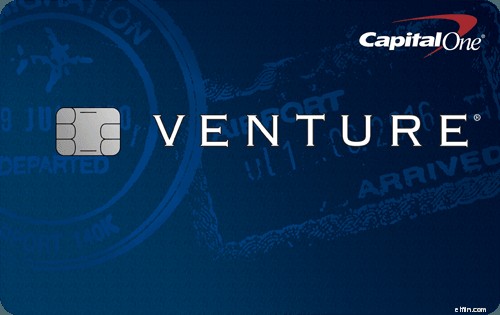
Capital One Venture Rewards Credit Card
In A Nutshell
Capital One’s leading product is the Capital One Venture Rewards Credit Card and it shows. A one-time 75,000 mile bonus after spending $4,000 in the first 3 months is flat out AWESOME, and 2X miles per dollar spent is about as good as it gets with a travel rewards credit card.
Read review Apply Now On the Secure WebsiteIn A Nutshell
Capital One’s leading product is the Capital One Venture Rewards Credit Card and it shows. A one-time 75,000 mile bonus after spending $4,000 in the first 3 months is flat out AWESOME, and 2X miles per dollar spent is about as good as it gets with a travel rewards credit card.
Read review Credit Score Requirements: Credit Score requirements are based on Money Under 30’s own research of approval rates; meeting the minimum score will give you the best chance to be approved for the credit card of your choice. If you don’t know your credit score, use our free credit score estimator tool to get a better idea of which cards you’ll qualify for. *Money Under 30 uses a FICO 8 score, which is one of many different types of credit scores. *A creditor may use a different score when deciding whether to approve you for credit. ?- Good/
- Excellent
What We Like:
-
Earn 75,000 bonus miles when you spend $4,000 on purchases in the first 3 months from account opening.
-
2X miles earned for $1 spent on all purchases
-
Receive up to a $100 credit for Global Entry or TSA PreCheck®
Apply Now >>
The Capital One Venture Rewards Credit Card is one of the best sign-up bonus credit cards because it comes with an uber generous sign-up bonus that could earn you 75,000 bonus miles when you spend $4,000 on purchases in the first 3 months from account opening. Plus you earn 2X miles per dollar spent on every purchase (not just airline or travel purchases), and there are no foreign transaction fees.
Card rewards:
- Earn 75,000 bonus miles when you spend $4,000 on purchases in the first 3 months from account opening.
- Earn unlimited 2x miles per dollar on every purchase – every day.
- Receive up to $100 credit for Global Entry or TSA Pre✓® when you use your card.
See card details/apply or read our full Capital One Venture Rewards Credit Card review.
Best credit card for premium travel rewards
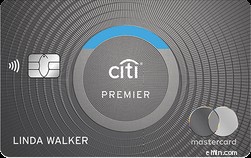
Citi Premier® Card
In A Nutshell
The Citi Premier® Card kicks off with a limited-time 80,000 bonus ThankYou® Point intro offer after spending $4,000 in the first three months of account opening. The everyday rewards program offers 3 points per dollar spent in a variety of categories and has no foreign transaction fees.
Read review Apply Now On the Citi Secure WebsiteIn A Nutshell
The Citi Premier® Card kicks off with a limited-time 80,000 bonus ThankYou® Point intro offer after spending $4,000 in the first three months of account opening. The everyday rewards program offers 3 points per dollar spent in a variety of categories and has no foreign transaction fees.
Read review Credit Score Requirements: Credit Score requirements are based on Money Under 30’s own research of approval rates; meeting the minimum score will give you the best chance to be approved for the credit card of your choice. If you don’t know your credit score, use our free credit score estimator tool to get a better idea of which cards you’ll qualify for. *Money Under 30 uses a FICO 8 score, which is one of many different types of credit scores. *A creditor may use a different score when deciding whether to approve you for credit. ? Poor 500-599 Fair 600-699 Good 700-749 Excellent 750-850What We Like:
-
Limited Time Offer: Earn 80,000 bonus ThankYou® Points after you spend $4,000 in purchases within the first 3 months of account opening. These points are redeemable for $800 in gift cards at thankyou.com
-
Three points per dollar spent at Gas Stations, Supermarkets, Restaurants, Hotels and on Air Travel
-
No foreign transaction fees
- For a limited time, earn 80,000 bonus ThankYou® Points after you spend $4,000 in purchases within the first 3 months of account opening
- Earn 3 Points per $1 spent at Restaurants and Supermarkets
- Earn 3 Points per $1 spent at Gas Stations, Air Travel and Hotels
- Earn 1 Point per $1 spent on all other purchases
- Annual Hotel Savings Benefit
- 80,000 Points are redeemable for $800 in gift cards when redeemed at thankyou.com
- No expiration and no limit to the amount of points you can earn with this card
- No Foreign Transaction Fees on purchases
Apply Now >>
The Citi Premier® Card is an excellent rewards card for frequent travelers, with plenty of earning potential when it comes to everyday purchases. The card earns 3 rewards points per dollar spent at restaurants, supermarkets, gas stations, air travel, and hotels, and 1 point per dollar spent on all other purchases. The Citi Premier® Card also comes with an Annual Hotel Savings Benefits of $100 off a single hotel stay of $500 or more.
In addition to all of the above benefits, the Citi Premier® Card also comes with a generous signup bonus of 80,000 points when cardholders spend $4,000 within the first three months of account opening. The card has no foreign transaction fees, and points can be redeemed for a variety of expenses including participating airline loyalty programs, gift cards, online shopping, and more.
Although the card does have a $95 annual fee, cardholders with frequent travel and dining expenses will more than make up the cost with rewards points.
Card rewards:
- 80,000 bonus points after you spend $4,000 in the first three months.
- 3x points per dollar spent on restaurants, supermarkets, gas stations, air travel, and hotels.
- 1x points on all other purchases.
- Points can be redeemed for gift cards, online shopping, travel rewards, cash rewards, statement credits, and more.
See card details/apply or read our full Citi Premier® Card review.
Best credit card for dining rewards
Capital One Savor Cash Rewards Credit Card
Disclaimer – The information about the Capital One® Savor® Cash Rewards Credit Card has been collected independently by MoneyUnder30.com. The card details have not been reviewed or approved by the card issuer.
The Capital One® Savor® Cash Rewards Credit Card is perfect for those who eat out often. It offers 4% cash back on dining, entertainment, and popular streaming services, plus 3% cash back at grocery stores, and 1% on all other purchases.
It also offers a great sign-up bonus of $300 after you spend $3,000 on purchases within the first three months from account opening.
With the Capital One® Savor® Cash Rewards Credit Card, your cash back never expires and there’s no cap on how much you earn!
Card rewards:
- 4% back on dining, entertainment, and popular streaming services.
- 3% at grocery stores.
- 1% on everything else.
- $300 sign-up bonus after you spend $3,000 on purchases within the first three months from account opening.
See card details/apply or read our full Capital One® Savor® Cash Rewards Credit Card review.
Best credit card for student rewards
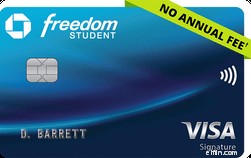
Chase Freedom® Student credit card
In A Nutshell
The Chase Freedom® Student credit card can help students begin to build a strong credit profile while earning a $50 Bonus for signing up and making one purchase during the first three months. There’s no annual fee to own.
Read review Apply Now On the Secure WebsiteIn A Nutshell
The Chase Freedom® Student credit card can help students begin to build a strong credit profile while earning a $50 Bonus for signing up and making one purchase during the first three months. There’s no annual fee to own.
Read review Credit Score Requirements: Credit Score requirements are based on Money Under 30’s own research of approval rates; meeting the minimum score will give you the best chance to be approved for the credit card of your choice. If you don’t know your credit score, use our free credit score estimator tool to get a better idea of which cards you’ll qualify for. *Money Under 30 uses a FICO 8 score, which is one of many different types of credit scores. *A creditor may use a different score when deciding whether to approve you for credit. ? Poor 500-599 Fair 600-699 Good 700-749 Excellent 750-850What We Like:
-
$50 Bonus after making your first purchase within three months from account opening
-
Keep your account in good standing and receive a $20 award each account anniversary for up to five years
-
No annual fee
- $50 Bonus after first purchase made within the first 3 months from account opening
- Earn 1% cash back on all purchases
- No annual fee
- $20 Good Standing Rewards after each account anniversary for up to 5 years
- Earn a credit limit increase after making 5 monthly payments on time within 10 months from account opening when meeting credit criteria
- No minimum to redeem for cash back. Cash Back rewards do not expire as long as your account is open.
- Free credit score with Chase Credit Journey
Apply Now >>
The Chase Freedom® Student credit card gives you 1% cash back on every dollar you spend, regardless of category. There’s no maximum, and you can redeem your rewards for cash, gift cards, travel, and other products offered through Chase.
You’ll also get a $50 bonus cash back reward when you make any purchase within the first three months of card ownership.
Here are a few other perks:
- No annual fee.
- $0 liability for unauthorized transactions.
- Monitor your credit score through Credit Journey.
- Credit limit automatically increased after five monthly on-time payments.
Card rewards:
- Earn unlimited 1% cash back on every dollar spent.
- Earn a $50 bonus for making a purchase within the first three months.
- Good Standing bonus of $20 issued every year for the first five years.
- Redeem your rewards for cash, gift cards, and more.
- Rewards don’t expire.
See card details/apply or read our full Chase Freedom® Student credit card review.
Best rewards credit card for small business
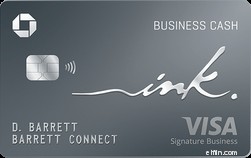
Ink Business Cash® Credit Card
In A Nutshell
The Ink Business Cash® Credit Card is an excellent card for any small business. From a big up front bonus to an all-around excellent rewards program, cardholders can cash in on rewards without the worry of an annual fee.
Read review Apply Now On the Chase US Secure WebsiteIn A Nutshell
The Ink Business Cash® Credit Card is an excellent card for any small business. From a big up front bonus to an all-around excellent rewards program, cardholders can cash in on rewards without the worry of an annual fee.
Read review Credit Score Requirements: Credit Score requirements are based on Money Under 30’s own research of approval rates; meeting the minimum score will give you the best chance to be approved for the credit card of your choice. If you don’t know your credit score, use our free credit score estimator tool to get a better idea of which cards you’ll qualify for. *Money Under 30 uses a FICO 8 score, which is one of many different types of credit scores. *A creditor may use a different score when deciding whether to approve you for credit. ? Poor 500-599 Fair 600-699 Good 700-749 Excellent 750-850What We Like:
-
$750 cash back bonus after spending $7,500 in the first three months of card ownership
-
5% cash back on the first $25,000 spent on office supplies, internet, cable and phone service purchases each account anniversary year
-
0% intro APR for 12 months from account opening on purchases, then a variable APR of 15.49% – 21.49%.
- Earn $750 bonus cash back after you spend $7,500 on purchases in the first 3 months from account opening
- Earn 5% cash back on the first $25,000 spent in combined purchases at office supply stores and on internet, cable and phone services each account anniversary year
- Earn 2% cash back on the first $25,000 spent in combined purchases at gas stations and restaurants each account anniversary year. Earn 1% cash back on all other purchases
- With Fraud Protection your card transactions will be monitored for possible signs of fraudulent activity using real-time fraud monitoring
- With Zero Liability you won't be held responsible for unauthorized charges made with your card or account information
- No Annual Fee
- Redeem rewards for cash back, gift cards, travel and more through Chase Ultimate Rewards®
- 0% introductory APR for 12 months on purchases
Apply Now >>
The Ink Business Cash® Credit Card is a great rewards credit card for small business owners, entrepreneurs, and the self-employed. It comes with a hefty $750 welcome offer when you spend $7,500 in the first three months and features some stellar cash back.
You’ll earn 5% cash back (on the first $25,000 spent in combined purchases) for office supplies, phone, internet, and cable, and 2% cash back (on the first $25,000 spent in combined purchases) for restaurants and gas, as well as an unlimited 1% cash back on all other purchases. If your business has a lot of expenses in these categories, this card is a great opportunity to earn extra rewards.
The Ink Business Cash® Credit Card also includes a 0% Intro APR on Purchases for 12 months. For business owners with employees, you can get additional employee cards at no extra cost, plus, the card has a $0 annual fee, making it an affordable option even for business owners on tight budgets.
Card rewards:
- 5% cash back (on the first $25,000 spent in combined purchases) for office supplies and internet.
- 2% (on the first $25,000 spent in combined purchases) on restaurants and gas.
- 1% on all other purchases.
- $750 in cash back when you spend $7,500 in the first three months.
- Your rewards never expire as long as your account is in good standing.
See card details/apply or read our full Ink Business Cash® Credit Card review.
Best rewards credit card for business rewards
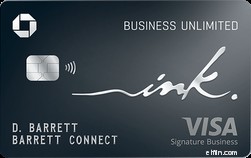
Ink Business Unlimited® Credit Card
In A Nutshell
The Ink Business Unlimited® Credit Card opens up with a $750 cash bonus after spending $7,500 in the first three months from account opening; includes 1.5% cash back on all purchases and charges no annual fee.
Read review Apply Now On the Secure WebsiteIn A Nutshell
The Ink Business Unlimited® Credit Card opens up with a $750 cash bonus after spending $7,500 in the first three months from account opening; includes 1.5% cash back on all purchases and charges no annual fee.
Read review Credit Score Requirements: Credit Score requirements are based on Money Under 30’s own research of approval rates; meeting the minimum score will give you the best chance to be approved for the credit card of your choice. If you don’t know your credit score, use our free credit score estimator tool to get a better idea of which cards you’ll qualify for. *Money Under 30 uses a FICO 8 score, which is one of many different types of credit scores. *A creditor may use a different score when deciding whether to approve you for credit. ? Poor 500-599 Fair 600-699 Good 700-749 Excellent 750-850What We Like:
-
Earn $750 in bonus cash after spending $7,500 in the first three months of account opening
-
Earn an unlimited 1.5% cash back on all purchases
-
No annual fee
- Earn $750 bonus cash back after you spend $7,500 on purchases in the first 3 months from account opening
- Earn unlimited 1.5% cash back on every purchase made for your business
- No Annual Fee
- Redeem rewards for cash back, gift cards, travel and more through Chase Ultimate Rewards®
- Earn rewards faster with employee cards at no additional cost. Set individual spending limits for greater control
- With Fraud Protection your card transactions will be monitored for possible signs of fraudulent activity using real-time fraud monitoring
- With Zero Liability you won't be held responsible for unauthorized charges made with your card or account information
- 0% introductory APR for 12 months on purchases
Apply Now >>
The Ink Business Unlimited® Credit Card is another rewards card for business owners that has no annual fee so it’s all rewards and perks from the moment you sign up.
For starters, it offers a generous $750 cash back welcome bonus when you spend $7,500 in the first three months. In addition to the sign-up bonus, cardholders earn a competitive 1.5% cash back across the board for all purchases. With unlimited earnings, the Ink Business Unlimited® Credit Card is a great choice when you know your expenses are not going to fall into one particular category – so you know flat out that you’ll be getting that 1.5% cash back to you across every single purchase.
The Ink Business Unlimited® Credit Card also comes with a suite of other perks like free employee cards, fraud protection, and purchase protection, making this card a great fit for any size business. You can redeem your rewards for cash back, gift cards, travel and more through Chase Ultimate Rewards®.
Card rewards:
- 1.5% unlimited cash back on all purchases.
- $750 cash back when you spend $7,500 in the first three months.
- Your rewards never expire as long as your account is in good standing.
See card details/apply or read our full Ink Business Unlimited® Credit Card review.
Best rewards credit card for balance transfers
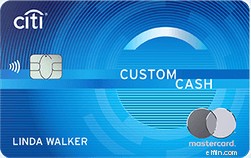
Citi Custom Cash℠ Card
In A Nutshell
The Citi Custom Cash℠ Card earns a strong $200 in cash back after you spend $750 on purchases in the first 3 months of account opening. This bonus offer will be fulfilled as 20,000 ThankYou® Points, which can be redeemed for $200 cash back and this card also includes an excellent 0% intro APR opportunity.
Read review Apply Now On the Citi Secure WebsiteIn A Nutshell
The Citi Custom Cash℠ Card earns a strong $200 in cash back after you spend $750 on purchases in the first 3 months of account opening. This bonus offer will be fulfilled as 20,000 ThankYou® Points, which can be redeemed for $200 cash back and this card also includes an excellent 0% intro APR opportunity.
Read review Credit Score Requirements: Credit Score requirements are based on Money Under 30’s own research of approval rates; meeting the minimum score will give you the best chance to be approved for the credit card of your choice. If you don’t know your credit score, use our free credit score estimator tool to get a better idea of which cards you’ll qualify for. *Money Under 30 uses a FICO 8 score, which is one of many different types of credit scores. *A creditor may use a different score when deciding whether to approve you for credit. ? Poor 500-599 Fair 600-699 Good 700-749 Excellent 750-850What We Like:
-
0% into APR for 15 months on purchases and balance transfers (regular APR is 16.24% – 26.24% variable)
-
Earn $200 in cash back after you spend $750 on purchases in the first 3 months of account opening. This bonus offer will be fulfilled as 20,000 ThankYou® Points, which can be redeemed for $200 cash back
-
No annual fee
- Earn $200 in cash back after you spend $750 on purchases in the first 3 months of account opening. This bonus offer will be fulfilled as 20,000 ThankYou® Points, which can be redeemed for $200 cash back.
- 0% Intro APR on balance transfers and purchases for 15 months. After that, the variable APR will be 16.24% - 26.24%, based on your creditworthiness.
- Earn 5% cash back on purchases in your top eligible spend category each billing cycle, up to the first $500 spent, 1% cash back thereafter. Also, earn unlimited 1% cash back on all other purchases.
- No rotating bonus categories to sign up for – as your spending changes each billing cycle, your earn adjusts automatically when you spend in any of the eligible categories.
- No Annual Fee
- Citi will only issue one Citi Custom Cash℠ Card account per person.
Apply Now >>
The Citi Custom Cash℠ Card is unique among balance transfer cards in that it’s highly generous with its intro APR, its cash back rewards, and its lack of annual fee.
The card offers 0% for 15 months on purchases & 0% for 15 months on balance transfers. The balance transfer fee is a little high (5%) but the Custom Cash℠ Card’s unique and compelling rewards more than make up for it. The ongoing rate of 16.24% - 26.24% (Variable) applies after the intro APR expires.
To start, you’ll get $200 just for spending $750 within your first three months of account opening – then on top of that, you’ll get 5% cash back on whichever category you spent the most in during the last billing cycle, up to $500 worth of spending (or $25 in rewards). You’ll then get unlimited 1% cash back on everything else.
Card rewards
- $200 cash rewards bonus after spending $750 in purchases within the first three months of account opening.
- 5% cash rewards in your top spending category from each billing cycle (30 days).
- Unlimited 1% cash rewards on purchases.
- Cash rewards don’t expire as long as your account remains open.
- Cash rewards can be redeemed in $25 increments by visiting ThankYou.com.
See card details/apply or read our full Citi Custom Cash℠ Card review.
Best credit card for gas rewards
Discover it® chrome
Discover it® chrome gives you 2% cashback at gas stations and restaurants on up to $1,000 in purchases per quarter. If you dine out frequently, or you use a lot of gas, this is the card for you. You also get 1% cash back on everything else.
But that’s not all. Discover it® chrome also provides an unlimited Cashback Match™ on all cash back earned in your first year.
The usual Discover benefits include:
- Paying late won’t raise your APR.
- No late fee on your first late payment.
- No foreign transaction fees.
- Free TransUnion FICO Score.
Card rewards:
- 2% cashback at gas stations and restaurants on up to $1,000 in combined purchases each quarter.
- 1% cashback on all other purchases.
- Unlimited Cashback Match™ on all the cashback you earned at the end of your first year.
- Cash rewards can be redeemed in cash in any amount, and at any time.
- Rewards never expire.
See card details/apply or read our full Discover it® chrome review.
Best Credit Card For Everyday Purchases Rewards
Chase Freedom Unlimited®

In A Nutshell
The Chase Freedom Unlimited® opens up with a terrific intro offer; earn an additional 1.5% cash back on everything you buy (on up to $20,000 spent in the first year) – worth up to $300 cash back! Tack on a 0% intro APR for 15 months on purchases and balance transfers (standard 17.24% – 25.99% Variable APR) add to that a strong everyday rewards program and it’s a terrific option for anyone looking to save a ton of money on everyday purchases.
Read review Apply Now On the Secure WebsiteIn A Nutshell
The Chase Freedom Unlimited® opens up with a terrific intro offer; earn an additional 1.5% cash back on everything you buy (on up to $20,000 spent in the first year) – worth up to $300 cash back! Tack on a 0% intro APR for 15 months on purchases and balance transfers (standard 17.24% – 25.99% Variable APR) add to that a strong everyday rewards program and it’s a terrific option for anyone looking to save a ton of money on everyday purchases.
Read review Credit Score Requirements: Credit Score requirements are based on Money Under 30’s own research of approval rates; meeting the minimum score will give you the best chance to be approved for the credit card of your choice. If you don’t know your credit score, use our free credit score estimator tool to get a better idea of which cards you’ll qualify for. *Money Under 30 uses a FICO 8 score, which is one of many different types of credit scores. *A creditor may use a different score when deciding whether to approve you for credit. ?- Good/
- Excellent
What We Like:
-
Intro Offer: Earn an additional 1.5% cash back on everything you buy (on up to $20,000 in the first year) – worth up to $300 cash back!
-
Unlimited 1.5% cash back on all other purchases.
-
0% intro APR on purchases and balance transfers for 15 months; then a variable APR of 17.24% – 25.99%.
- Intro Offer: Earn an additional 1.5% cash back on everything you buy (on up to $20,000 spent in the first year) - worth up to $300 cash back!
- Enjoy 6.5% cash back on travel purchased through Chase Ultimate Rewards®, our premier rewards program that lets you redeem rewards for cash back, travel, gift cards and more; 4.5% cash back on drugstore purchases and dining at restaurants, including takeout and eligible delivery service, and 3% on all other purchases (on up to $20,000 spent in the first year).
- After your first year or $20,000 spent, enjoy 5% cash back on Chase travel purchased through Ultimate Rewards®, 3% cash back on drugstore purchases and dining at restaurants, including takeout and eligible delivery service, and unlimited 1.5% cash back on all other purchases.
- No minimum to redeem for cash back. You can choose to receive a statement credit or direct deposit into most U.S. checking and savings accounts. Cash Back rewards do not expire as long as your account is open!
- Enjoy 0% Intro APR for 15 months from account opening on purchases and balance transfers, then a variable APR of 17.24% - 25.99%.
- No annual fee – You won’t have to pay an annual fee for all the great features that come with your Freedom Unlimited® card
- Keep tabs on your credit health, Chase Credit Journey helps you monitor your credit with free access to your latest score, real-time alerts, and more.
Apply Now >>
The Chase Freedom Unlimited® is one of the best no annual fee cards. They offer a straightforward rewards program.
You’ll get 5% cash back on travel purchased through Chase Ultimate Rewards®, 3% on dining and drugstores, and 1.5% on all other purchases. In addition, the Intro Offer will earn an additional 1.5% cash back on purchases (on up to $20,000 spent in the first year) – worth up to $300 cash back!
If the rewards and no annual fee aren’t enough to win you over, know that they also offer 0% APR on both purchases and balance transfers for the first 15 months you have your card.
Card rewards:
- 5% cash back on travel purchased through Chase Ultimate Rewards®.
- 3% cash back on dining, including takeout and some delivery.
- 3% cash back on drugstore purchases.
- 1.5% cash back on all other purchases.
- Cash back points can be redeemed through Chase Ultimate Rewards® with no minimum. And rewards never expire as long as your account is open.
See card details/apply or read our full Chase Freedom Unlimited® review.
Summary of the best rewards credit cards
| Card Name | Sign-Up Bonus | Rewards Program |
|---|---|---|
| Chase Sapphire Preferred® Card | 60,000 points when you spend $4,000 in the first 3 months (worth $750 in travel when you redeem through Chase Ultimate Rewards®) | 5X points on travel purchased through Chase Ultimate Rewards, 3X points on dining, 2X points on all other travel purchases |
| Discover it® Cash Back | Discover will match all the cash back you've earned at the end of your 1st year | 5% on quarterly categories*, 1% on everything else |
| Capital One Venture Rewards Credit Card | 75,000 bonus miles when you spend $4,000 on purchases in the first 3 months from account opening | 2X miles per dollar spent on every purchase |
| Capital One® Savor® Cash Rewards Credit Card | $300 cash bonus when you spend $3,000 in the first 3 months | 4% on dining and entertainment, 2% at grocery stores, 1% on everything else |
| Chase Freedom® Student credit card | $50 with a purchase made within first three months | 1% cash back on all purchases |
| Ink Business Cash® Credit Card | $750 cash back when you spend $7,500 in the first three months | 5% cash back (on the first $25,000 spent in combined purchases) for office supplies and internet, 2% (on the first $25,000 spent in combined purchases) on restaurants and gas, and 1% on all other purchases |
| Ink Business Unlimited® Credit Card | $750 cash back when you spend $7,500 in the first three months | 1.5% unlimited cash back on all purchases |
| Citi Custom Cash℠ Card | $200 (20,000 bonus ThankYou® Points) when you spend $750 on purchases in the first three months from account opening | 5% on your top spending category each billing cycle, 1% on everything else |
| Discover it® Chrome | Discover will match all the cash back you've earned at the end of your 1st year | 2% cash back at gas stations and restaurants**; 1% on everything else |
| Chase Freedom Unlimited® | Intro Offer: Earn an additional 1.5% cash back on purchases (on up to $20,000 spent in the first year) - worth up to $300 cash back! | Unlimited 1.5% cash back on all other purchases. |
*5% cash back categories have a $1,500 max spend and require quarterly activation
**Up to $1,000 spent each quarter in combined purchases
Methodology: How we came up with the list
To come up with our list of the best rewards cards in each of the 10 categories above, we used the following methodology in our selections:
- Total upfront bonus rewards.
- Ongoing rewards.
- Other noteworthy bonus enhancements, like a cash back match.
- The rewards specializations of each card.
And naturally, we also look beyond the rewards themselves. After all, it will do you little good to get generous rewards if the cost of having the card exceeds those rewards.
In that regard, we also considered the following factors:
- Introductory APR offers, as well as the term of the offer.
- The presence or absence of an annual fee.
- Other card benefits provided.
- The frequency of each of the above credit cards appearing on the many “Best for” lists, both on Money Under 30 and on other popular credit card review sites.
The different types of reward credit cards
As you’ll see in this list, there are many different reward types to choose from. Which one you choose depends on personal preference, but here’s some info about each to help you decide which works best for you.
General cash back
Cash back is exactly what it sounds like. You get cash back on every purchase. Some cards offer one cash back rate on all purchases, which are best for those looking for an easy-to-use, straightforward cash back program. These cards, however, offer lower cash back percentages than those who focus on certain categories.
Cash back cards that offer higher cash back in certain categories (many times it’s 5%) are for those who spend in one area. Many 5% cash back cards offer the following categories (I’m basing these on the Discover it® Cash Back):
- Gas stations.
- Grocery stores.
- Restaurants.
- Amazon.
- Wholesale clubs.
Travel
When you earn travel rewards from your credit cards you can typically redeem those rewards (often in points or miles) for travel expenses like flights and hotel stays.
Travel rewards are broken down further into three categories: general travel, airline, and hotel credit cards.
General travel rewards programs are the more flexible of the three and offer points or miles on just about any type of travel. Airline credit cards are co-branded with a specific airline, giving you points or miles with that airline. Hotel cards are a lot like airline cards, except they focus on hotels rather than airline miles.
Gas
Cards that offer gas rewards are cash back cards that often offer 3-5% back or up to 6 cents off on gas station purchases. Gas cards also tend to offer other reward categories with lower cash back.
Here are our favorite gas rewards cards.
Dining
When you have a credit card that offers great dining rewards, you’ll receive up to 4% cash back on dining and entertainment purchases (depending on the card, of course). Gas and dining credit cards often go hand in hand, but not always.
Student
Student rewards credit cards are geared towards students who have a limited credit history. They offer many of the same rewards that other cash back credit cards offer.
Plus, student credit cards usually offer rewards for good grades or other such perks.
How to choose a rewards program
Simply choosing a credit card because it has great rewards won’t necessarily work in your favor. You must be certain rewards offered are consistent with your own lifestyle, spending patterns, and personal preferences.
For example, if you don’t travel frequently, a card that offers generous travel rewards won’t work for you. Similarly, if a credit card specializes in rewards for gas and restaurants, you probably won’t want that card if you work from home, and don’t dine out frequently.
You must also consider your primary purpose in getting a credit card at all. For example, cashback rewards may be attractive, but if your main purpose is to get a 0% balance transfer card to consolidate high interest cards, then you’ll need to look primarily at the balance transfer part of the offer. Rewards, if offered, are only a secondary consideration.
And finally, there’s qualification. While there are rewards credit cards for people with less than perfect credit, the most generous offers are for those in the good-to-excellent credit range.
Who rewards are for
An even more basic factor is your credit card use. Rewards cards are only effective for people who make frequent use of credit cards. If you’re not a credit card user, you won’t reap the benefits the rewards provide.
You should also be able to take full advantage of upfront rewards bonuses
Big welcome offers require spending a certain amount of money in the first three months in order to unlock a card’s whopping sign-up bonus.To assure you meet this minimum spend requirement, you should concentrate on putting all your spend on this one card, until you’ve met the spend requirements for the bonus.
Rewards credit cards are an excellent tool for anyone looking to save money
If the rewards apply to spending you would do otherwise, and you don’t carry balances, rewards cards can help lower your expenses. A card that offers 2% cash back on all purchases will lower your expenses by 2% across the board.
And as just noted, rewards credit cards work best for people with good or excellent credit
Card issuers reserve the most generous rewards programs for stronger credit profiles. While it’s still possible to get rewards cards for less-than-perfect credit, they may be more of a bonus benefit than a primary reason for taking the card.
If you have poor credit, the primary purpose of any credit card is to rebuild your credit. Rewards should fall under the “everything else being equal” doctrine—if two cards provide the ability to rebuild your credit, and one provides rewards, that’s usually the card you should select.
How rewards work
Credit card issuers don’t provide rewards just to be kind. They’re an inducement to get your credit card business. In effect, rewards act as a rebate on your spending. Since a credit card company makes money every time you use their card, they can pay you a reward out of their revenue. How much of a reward they pay depends on how much they want your business.
Purchases eligible for rewards can either be specific or general. For example, revolving quarterly categories are product specific. General rewards apply to all purchases.
A credit card issuer can pay rewards in either cash (or cash equivalents, like statement credits) or points. Points are sometimes convertible into cash, but are generally redeemable in certain spending categories, typically travel.
Apart from knowing how much your rewards will be, you should also know what your options are for redemption.
They can include any one or a combination of the following:
- Statement credits
- Gift cards
- Specific spending categories, like travel
- Credits to other accounts with the same institution
- ATM withdrawals, though this is not common
Be sure you understand exactly how a credit card issuer will redeem your rewards. It should match your preference. For example, if you want to use rewards to pay down your credit card balance, you’ll want to be sure they’re available through statement credits.
Why you should use a rewards credit card
The most beneficial way to use a rewards credit card is when those rewards apply specifically to purchases you ordinarily make. You can use the card to reduce your expenses.
For example, if a card offers a $500 cash bonus on $5,000 spent within three months, it should be consistent with how much you would or could pay by credit card. This kind of rewards bonus works best for those who use credit cards for general expenses, as well as purchases
You’ll certainly use your card for routine activity, like purchasing gas, groceries, and entertainment. But you may also use it to pay recurring bills, like utilities, insurance premiums and other services.
If you can comfortably fit your normal spending within the $5,000 limit, the $500 bonus means you’ll be reducing those expenses by 10%.
The same is true with ongoing cash rewards. If the card offers 2% cash back as a permanent feature, you’ll reduce your spending by 2%. For example, if you normally use your credit cards for spending of $20,000 per year, 2% cash back saves you $400 per year.
And once again, the real benefit of a rewards credit card depends on your willingness and ability to not carry interest-bearing balances.
What you should know & what to look for
When shopping for a rewards credit card, consider each offer within the context of the bigger picture of your life.
For example…
Avoid applying for credit cards that have rewards similar to a card you already have
If you already have a card that provides 2% cash back on restaurant purchases up to $1,000 per quarter, and you’re unlikely to exceed that spending level, there’s no point getting a second card with an identical benefit. A better strategy is to get a card that specializes in a different spending category.
Don’t focused solely on an attractive bonus offer
You may be better served by a card providing ongoing 2% cash back on all purchases, than one that offers a $300 bonus in the first three months, then reverts to 1% on subsequent purchases.
Don’t ignore secondary features
If car rentals are a significant part of your normal credit card spending pattern, you’ll want a card that offers auto rental collision damage waiver (fortunately, most do—but never assume it).
No matter how good the rewards offer is, you’ll be leaving money on the table if you must use another card for car rentals.
The small print – an important read!
Before signing up for a rewards credit card, first read the card card agreement line by line. Look for any “gotcha” restrictions in the document. No matter how attractive the advertising on the card may look, the real truth is always in the legal disclosures.
Some provisions to be aware of:
Look for any potential limits on rewards
These are common on quarterly rewards categories. For example, the card may pay 5%, but purchases for the quarter are limited to $1,500.
Be aware of exclusions
A card offering rewards for gas purchases may exclude gas purchased at wholesale clubs, like Sam’s Club and Costco.
Limited merchant participation
A card may provide generous cash back on purchases through a limited number of hotels. If you don’t normally use the hotels included, you probably won’t use the rewards.
Rewards that require extra action on your part
A credit card may require you to claim certain rewards. Be aware of which rewards those are, and set a tickler to alert you to make the claim.
Rewards expiration
Somewhere buried in the fine print may be a provision specifying rewards expire if not used within one year of being earned, or some other timeframe. If you’re in the habit of allowing rewards to accumulate, this can be a deal breaker.
On a more general level, be aware that rewards programs can change. Credit card agreements typically have language that permits the issuer to modify or even cancel rewards with little notice. Pay close attention to any official looking documents you receive from the issuer that you might otherwise ignore. You could continue happily spending in anticipation of rewards that were canceled months ago.
How to save money maximizing your rewards
There are two major considerations to maximizing your rewards:
The rewards should match your regular spending habits
A rewards credit card should never encourage you to spend more than you ordinarily would.
For example, if a card offers $300 cash back for spending $3,000 within the first three months, that shouldn’t send you on a spending spree to buy things you normally wouldn’t. You may get the $300 reward, but you’ll spend $3,000 you didn’t need to spend. You’ll end up spending more than your getting in rewards.
The cost of the card shouldn’t exceed the benefit of the rewards
Credit card rewards are best for people who don’t carry balances. If you’re spending on the card to get rewards, and you’re carrying a balance at 20% interest, you’ll payout 10 times more in interest than you get with 2% cash back.
Also, always remember that while rewards are paid when earned, interest is charged until your balance is paid. That means you’ll be paying 20% on the outstanding balance in each year it’s owed.
The best use for a rewards credit card is for spending you would do even without the card, then not carrying a balance. In that case, a 2% cash back reward will be a 100% benefit. There’ll be no interest expense offsetting the reward.
FAQs on rewards credit cards
Don’t annual fees reduce the rewards?
Yes, but it’s not necessarily a deal-breaker. For example, if you normally spend $20,000 per year on your credit card, a 1% cash back card with no annual fee will save you $200 per year. But a 2% cash back card with a $95 annual fee will save you $305 ($400 less the annual fee). In that case, you’ll be better off taking the card with the annual fee.Which is better, cash or points?
Generally, cash. You can use it for any purpose. Points are sometimes redeemable for cash, but they’re more typically tied to specific purchases, like air travel. If you’re not a frequent traveler, the points won’t help you much.How many rewards credit cards should I have?
If you have a card that provides a generous ongoing rewards payout, you might be fine with just that one card. But from time to time, you might want to add a card that provides a particularly large upfront bonus. Not only will you get the advantage of the bonus, but the additional credit line(s) will increase your available credit, helping your credit score by lowering your credit utilization ratio.Other than closing out my account, is there any way I could forfeit my rewards?
Yes, several. The card issuer could terminate the program. They would have to give you advance notice. However, there may also be language in the credit card agreement that results in forfeiture of your rewards if you make one or more late payments.Credit card rewards seem like found money – is there any downside?
Absolutely:
- If you normally carry credit card balances, the interest expense on the card could exceed the rewards you’re getting.
- Rewards could encourage you to spend money you otherwise wouldn’t.
- Rewards could cause you to run up your credit card balances, under the mistaken notion that you’re saving money.
- Opening too many cards to gain the benefit of upfront rewards could cost you money if those cards have annual fees. 10 inactive credit cards, each with an annual fee of $95, will cost you $950 per year. That’s a lot of upfront benefits to recover in any one year.
What’s more important, rewards or the regular interest rate?
It really comes down to whether or not you carry a balance on your card. If you don’t, the interest rate doesn’t matter—only the rewards do. But if you normally carry a balance, the interest rate will almost always outweigh the rewards.Summary
There are scores of credit issuers offering generous welcome offers from their rewards credit cards. If you’re in the market for a rewards credit card, pick one from this list that best matches your own spending patterns, preferences and credit profile. Most offer not only generous rewards but also other money-saving benefits, like 0% introductory APRs.
Whatever card you decide on, make sure to take our advice and choose a card that earns bonus points (or cash) on your most common everyday expenses. And always remember pay off your balance in full each month, otherwise any interest accrued will offset any rewards you earn.
Read more
- Best rewards credit cards 2022
- Our top credit cards for restaurants and bars


banking
- Top 7 Canadian Credit Cards for Rewards & Benefits
- Top Credit Cards for Building or Improving Credit
- Top Rewards Credit Cards of 2024 | Millennial Money
- Top Credit Cards of 2024: Rewards & Benefits | Millennial Money
- Top Credit Cards for Grocery Shopping - 2024
- Top Secured Credit Cards for Building Credit in 2022
- Top Balance Transfer Credit Cards for 2024 - Earn Rewards & Save on Interest
- Top Travel Credit Cards of 2022: Earn Up to $1,000 in Rewards
- Top Credit Cards for Millennials: Rewards & Bonuses (2024)